South London solar panel installation
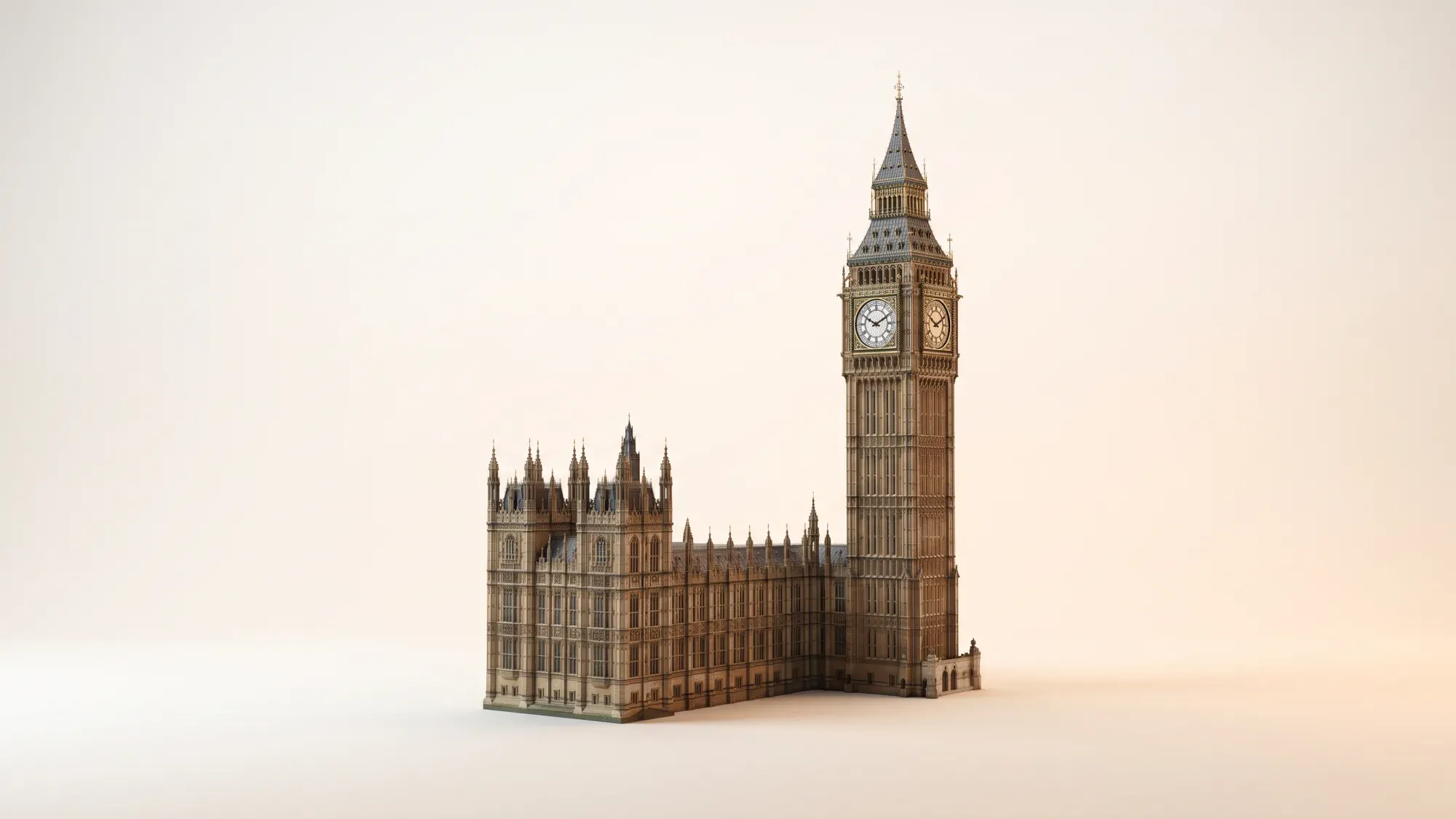
South London, with its mix of Victorian terraces, post-war housing, and modern developments, offers a prime opportunity for homeowners looking to embrace solar energy. While the UK isn't famed for its scorching sunshine, Southern England consistently receives some of the highest annual sunlight hours in the country, making solar panel installation a shrewd investment for properties here. This guide provides South London homeowners with clear, localised information on installing solar panels, reducing energy bills, and enhancing property value.
Why South London is ideal for solar panels
Installing solar panels in South London isn't just about environmental responsibility; it's a practical decision driven by local conditions that favour renewable energy generation.
London's unique solar landscape
London's position in Southern England means it benefits from a significant amount of solar irradiance, comparable to parts of northern Germany, a leading solar market. The capital's varied housing stock, from solid Victorian and Edwardian homes to newer builds, often provides suitable roof space for photovoltaic (PV) panels. Even with the urban density, many properties have unshaded roof areas that can efficiently capture daylight.
Sunlight hours and energy generation
Southern England, including London, experiences some of the highest annual sunlight hours in the UK, contributing to favourable solar payback periods. Solar panels generate electricity from daylight, not just direct sunlight, meaning they still produce power on cloudy days. In fact, cooler temperatures can even improve panel efficiency. This consistent daylight, combined with modern solar technology, ensures useful energy generation throughout the year, even if output is lower in winter due to shorter days. If you're wondering how effective solar panels are on less sunny days, you might find our guide on do solar panels work on cloudy days helpful.
Reducing your carbon footprint
Beyond the financial gains, installing solar panels allows South London homeowners to significantly reduce their household's carbon footprint. By generating clean electricity, you decrease reliance on fossil fuels, contributing directly to a greener, more sustainable energy system. This aligns with a broader movement towards rebuilding energy infrastructure from scratch, fostering a future with abundant, clean energy.
Benefits for South London homeowners
Switching to solar offers tangible advantages that directly impact your finances and property.
Lower energy bills and Ofgem's price cap
One of the most immediate benefits of solar panels is the reduction in your electricity bills. By generating your own power, you import less from the grid. London is in the "London" electricity distribution region for Ofgem's price cap, meaning its unit rates and standing charges differ from other regions. Generating your own electricity helps insulate you from these regional variations and quarterly price cap adjustments. Understanding how solar panels affect your average monthly electric bill with solar panels can help you plan your finances.
Increasing property value
Homes with solar panels are increasingly attractive to buyers, often commanding higher property values. Energy efficiency is a key consideration for many purchasers, and a pre-installed solar system signals lower running costs and a modern home.
Energy independence with battery storage
Integrating battery storage with your solar panels can dramatically increase your energy independence. Batteries store surplus electricity generated during the day, allowing you to use it during the evening or at night, rather than exporting it to the grid at a lower rate. This maximises self-consumption and provides greater control over your energy usage and costs, resonating with the desire for transparency and control over home energy.
The solar installation process in London
Understanding the steps involved in installing solar panels can demystify the process for South London homeowners.
Initial assessment and design
The first step involves a professional assessment of your property. An installer will evaluate your roof's suitability, considering factors like size, orientation, pitch, and any potential shading from trees or neighbouring buildings. They will then design a system tailored to your energy needs and property characteristics. For more details on the overall process, you can refer to our guide on solar panel installation.
Planning permission and local regulations
For most residential solar panel installations in England, planning permission is not required, as they fall under "permitted development rights". However, this can change if your property is listed, in a conservation area, or if the panels significantly alter the building's appearance. Always check with your local council (e.g., Southwark, Lambeth, Wandsworth) to confirm specific requirements before proceeding.
Grid connection: UK Power Networks and G98/G99
A critical local consideration for South London is the grid connection process. UK Power Networks is the Distribution Network Operator (DNO) for London, responsible for the local electricity grid. Your installer will typically handle the necessary notification or application process with UK Power Networks under the G98 or G99 engineering recommendations.
What is the G98/G99 process?
The G98/G99 process refers to the engineering recommendations for connecting microgeneration (G98 for smaller systems) and larger generation (G99) to the electricity grid. Your installer notifies UK Power Networks, London's DNO, about your solar and battery system to ensure it can safely connect and operate without impacting the local network.
For smaller systems, typically those with an inverter output up to 3.68kW per phase, your installer simply notifies UK Power Networks within 28 days of installation under the G98 process. For larger systems, or those with an inverter output exceeding 3.68kW per phase, a G99 application is usually required before installation. This ensures the local network can safely accommodate your system's export. The threshold is based on the inverter's AC output, not the total panel capacity.
Installation and commissioning
Once all approvals are in place, the physical installation of the panels and associated equipment (like inverters and batteries) can begin. This usually takes a few days, depending on the system's complexity. After installation, the system is commissioned, tested, and connected to the grid.
Costs, savings, and financial incentives
While the upfront cost of solar panels can be substantial, various incentives and long-term savings make it an increasingly viable option.
Typical solar panel costs in South London
The cost of a solar panel installation in South London varies widely based on system size, panel type, battery storage inclusion, and installer fees. While specific figures require a tailored quote, it's an investment that typically pays for itself over time through reduced energy bills and potential earnings. You can learn more about the factors influencing solar panel installation cost in our detailed guide.
0% VAT on solar and battery installations
A significant financial incentive is the 0% VAT rate on solar panel and battery storage installations across Great Britain, which applies until 31 March 2027. This means you won't pay VAT on the supply and installation of these energy-saving materials, offering a substantial saving on the overall project cost. After this date, the VAT rate is expected to rise to 5% from 1 April 2027.
Smart Export Guarantee (SEG) and MCS certification
The Smart Export Guarantee (SEG) is a UK-wide scheme that requires licensed electricity suppliers to pay you for any surplus solar electricity you export to the grid. To qualify for SEG payments, your solar installation must be certified under the Microgeneration Certification Scheme (MCS). This certification ensures your system meets recognised standards for quality and safety.
Understanding payback periods
The payback period for a solar installation, the time it takes for your savings and earnings to cover the initial cost, depends on factors like system size, electricity consumption, SEG rates, and the amount of sunlight your property receives. Southern England's favourable sunlight hours generally contribute to shorter payback periods compared to other UK regions. However, individual circumstances vary, so it's crucial to get a personalised estimate.
Choosing a reputable solar installer in South London
Selecting the right installer is paramount for a successful and hassle-free solar journey.
Importance of MCS certification
Always choose an MCS-certified installer. This certification is not just a mark of quality; it's a mandatory requirement for your installation to be eligible for the SEG. MCS certification ensures that your system is installed to high standards and that your installer is competent and reliable.
Local expertise and references
A local South London installer will have specific knowledge of the area's housing types, planning considerations, and crucially, experience with UK Power Networks' grid connection processes. Ask for references from previous customers in the area to gauge their reputation and service quality.
Getting multiple quotes
Obtaining multiple quotes from different MCS-certified installers allows you to compare prices, proposed system designs, and customer service. This ensures you get the best value for your investment and a solution that perfectly matches your needs.
Maximising your solar investment
Once your solar panels are installed, there are further steps you can take to get the most out of your system.
Integrating battery storage
As mentioned, adding battery storage is one of the most effective ways to maximise your solar investment. It allows you to store excess generation for later use, reducing your reliance on grid electricity during peak times and further cutting your bills.
Smart energy management
Modern solar and battery systems often come with smart energy management tools and apps. These allow you to monitor your energy generation and consumption in real-time, helping you make informed decisions about when to use appliances or charge your battery. This level of transparency and control aligns with the vision of having 'power to play with' your energy.
Ongoing maintenance and support
While solar panels require minimal maintenance, occasional cleaning and system checks can ensure optimal performance. A reputable installer will offer ongoing support and advice, helping you keep your system running efficiently for years to come.
Ready to take control of your home's energy with solar panels? Fuse Energy is committed to making energy simple, transparent, and affordable. We offer clear pricing, real-time usage data through our app, and 24/7 human customer support to help you every step of the way. Switching to Fuse Energy is quick and easy, allowing you to benefit from competitive tariffs and smart energy management.
Disclaimer
For the avoidance of doubt, this article is provided for informational purposes only and is not intended to constitute legal or financial advice. The author and/or Fuse Energy shall not be responsible for any losses arising out of any reliance on the information contained herein.