Solar panel installation cost and savings
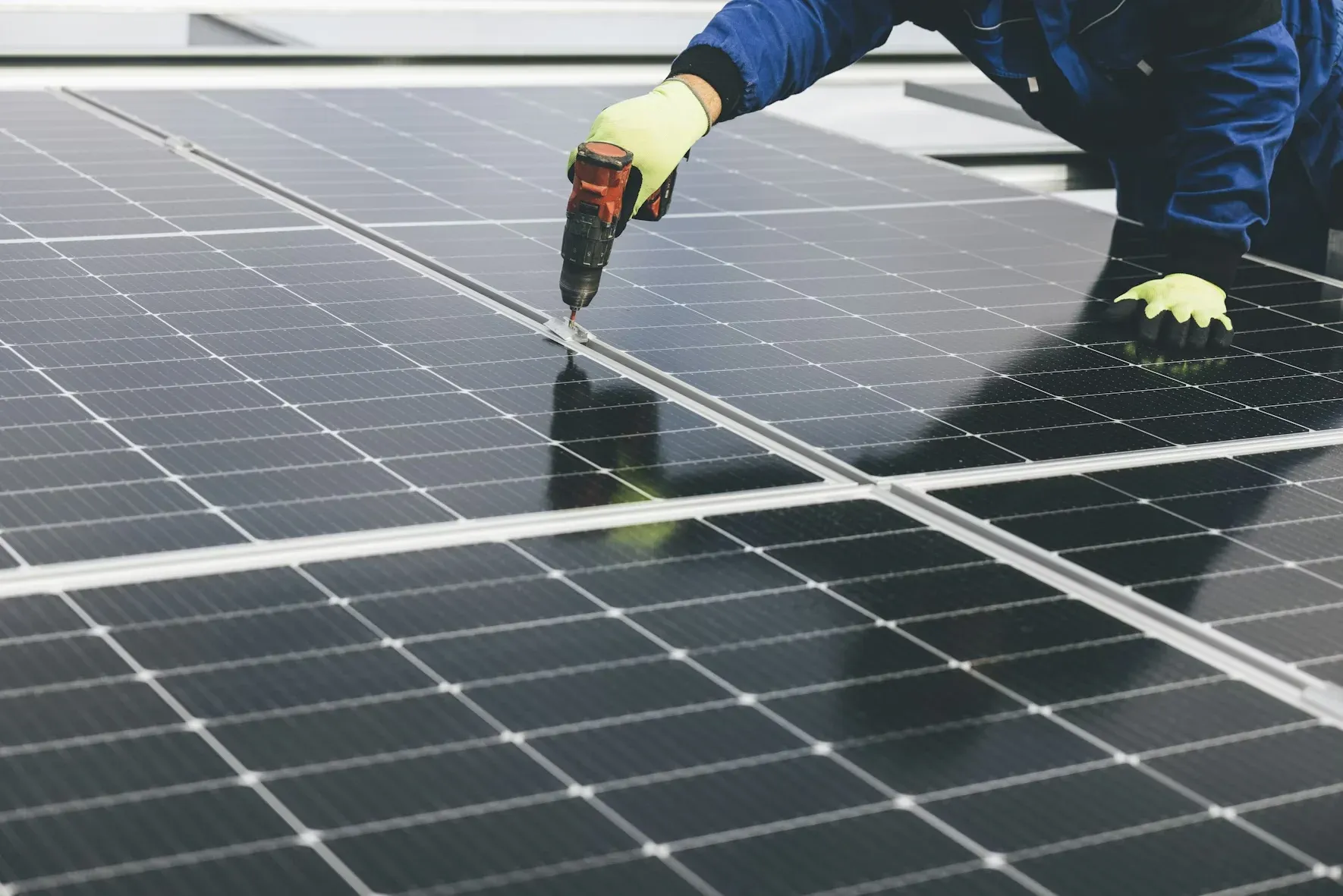
Considering solar panel installation in the UK? Discover costs, savings, grants, regulations, and how installing solar panels can impact your Fuse Energy bill.
For many UK homeowners aged 35 and over, the idea of generating their own electricity with solar panels is increasingly appealing. It's a smart way to reduce your carbon footprint, lower energy bills, and even earn a little extra cash. But getting started with solar panel installation can seem daunting. This guide breaks down everything you need to know, from understanding the cost of installing solar panels to finding the best solar panel installers UK and managing your energy with Fuse.
Ready to explore how solar could benefit your home? With Fuse Energy, you get clear pricing, real-time usage data, 24/7 human customer support, and a modern energy experience designed around you. Switching takes as little as 3 minutes, so you can take control of your bills from day one. Click here to switch to Fuse Energy today and start saving.
Understanding the cost of installing solar panels
The solar panel installation cost is a key consideration for any homeowner. While it represents a significant upfront investment, the long-term savings and environmental benefits often make it worthwhile.
What influences solar panel installation costs?
Several factors determine how much you'll pay to install solar panels. These include the size of your system (measured in kilowatts peak, or kWp), the type of solar panels (photovoltaic or PV panels), whether you opt for battery storage, and the complexity of your roof. Installer fees, scaffolding requirements, and any necessary electrical upgrades also play a part. It's important to get multiple quotes to compare options and ensure you're getting a fair price for your solar panel installation.
Expected savings and return on investment
Installing solar panels can significantly reduce your reliance on grid electricity, directly lowering your monthly energy bills. The amount you save depends on your household's energy consumption, the size and efficiency of your system, and how much electricity you export. While the initial upfront cost to install solar panels might seem high, many homeowners in the UK see a payback period typically ranging from 7 to 10 years. Solar panels themselves are designed to last 25 to 30 years or more, with manufacturers often providing 25-year performance warranties. It's worth noting that the inverter, a key component, usually needs replacing every 5 to 15 years1.
How solar panel installation works: a step-by-step guide
The installation of solar panels is a straightforward process when handled by professionals.
From initial assessment to system commissioning
The journey begins with an initial site survey to assess your property's suitability, including roof orientation, pitch, and potential shading. Next, your chosen solar panel installer will design a system tailored to your energy needs. The physical solar panels installation involves mounting the panels, installing an inverter to convert direct current (DC) electricity to alternating current (AC), and connecting everything to your home's electrical system. Finally, the system is tested and commissioned, ready to start generating clean energy. This step-by-step process ensures a safe and efficient solar PV panel installation.
Planning permission and UK regulations for solar panels
For most domestic solar panel installation UK projects, planning permission isn't required, thanks to permitted development rights. However, exceptions apply, particularly for listed buildings, properties in conservation areas, or if the panels significantly protrude from the roof. Always check with your local planning authority. Crucially, your solar panel installers must be certified by the Microgeneration Certification Scheme (MCS) to ensure quality and compliance with UK standards.
Finding the best solar panel installers in the UK
Choosing the right solar panel installation companies is vital for a successful project.
Why choose MCS certified solar panel installers?
MCS certification is the gold standard for solar panel installers in the UK. It guarantees that your installer meets strict quality and safety standards, and that your system will perform as expected. Opting for an MCS-certified installer also makes your household eligible for government-backed schemes like the Smart Export Guarantee (SEG). This certification offers peace of mind and consumer protection, ensuring you receive a high-quality solar panel installation.
Questions to ask potential solar panel companies
When speaking to solar panel installation companies, ask about their experience, specific product warranties (panels, inverter, battery), and after-sales support. Enquire about their insurance, accreditations, and ask for references or case studies from previous clients. Don't hesitate to ask for a detailed breakdown of the cost of solar panel installation to ensure transparency.
UK solar panel grants & the smart export guarantee (SEG)
While the Feed-in Tariff (FiT) has closed, there are still financial incentives available for homeowners. Lear more about FiT here.
Maximising your earnings with the smart export guarantee
The Smart Export Guarantee (SEG) is the primary way for homeowners to earn money from their solar panels. Learn more about SEG here. It requires larger energy suppliers to pay you for any surplus electricity your system exports back to the grid. The rates vary between suppliers, so it's worth comparing them. To be eligible for SEG payments, your solar panel installation must be MCS certified, and you'll need a meter capable of providing half-hourly export readings, which is typically a smart meter.
Managing your energy bills with solar panels: Fuse energy's approach
Choose an MCS and TrustMark certified installer. They should handle planning approvals, DNO applications, paperwork, installation and final checks. We're also here to help you understand how your solar generation integrates with your home's energy consumption and billing.
How solar generation impacts your Fuse Energy bill
With solar panels, you'll significantly reduce the amount of electricity you need to import from the grid. This directly translates to lower Fuse Energy bills. We provide clear and detailed energy statements that reflect how your solar generation impacts your electricity consumption. Our bills itemise your imported electricity (Usage kWh) and standing charges, allowing you to directly see the financial benefits of your solar panels. This transparency helps you understand your net energy usage and how it translates into your Fuse Energy bill.
Seamless smart meter integration for solar homes
For properties equipped with smart meters, Fuse Energy leverages half-hourly consumption data. This enables accurate billing based on your actual net usage (grid import), ensuring you only pay for the energy you truly consume from us. By reviewing your Fuse Energy statements and consumption data, you can identify opportunities to maximise the self-consumption of your generated solar power. This approach helps minimise your reliance on grid electricity, thereby reducing your overall energy costs and enhancing the economic benefits of your solar panel installation. Our billing system uses smart meter data to accurately bill your imported energy, and we offer export tariffs for the energy you send back to the grid, helping you understand your overall energy balance.
Considering solar panels for your home? Choose an MCS and TrustMark certified installer. They should handle planning approvals, DNO applications, paperwork, installation and final checks. Get a tailored quote and take control of your energy bills. Click here to switch to Fuse Energy. You can also learn about our mission to power a sustainable future by clicking here.
References
- Marley. How long do solar inverters last?.
Disclaimer
For the avoidance of doubt, this article is provided for informational purposes only and is not intended to constitute legal or financial advice. The author and/or Fuse Energy shall not be responsible for any losses arising out of any reliance on the information contained herein.