In-roof solar panels explained
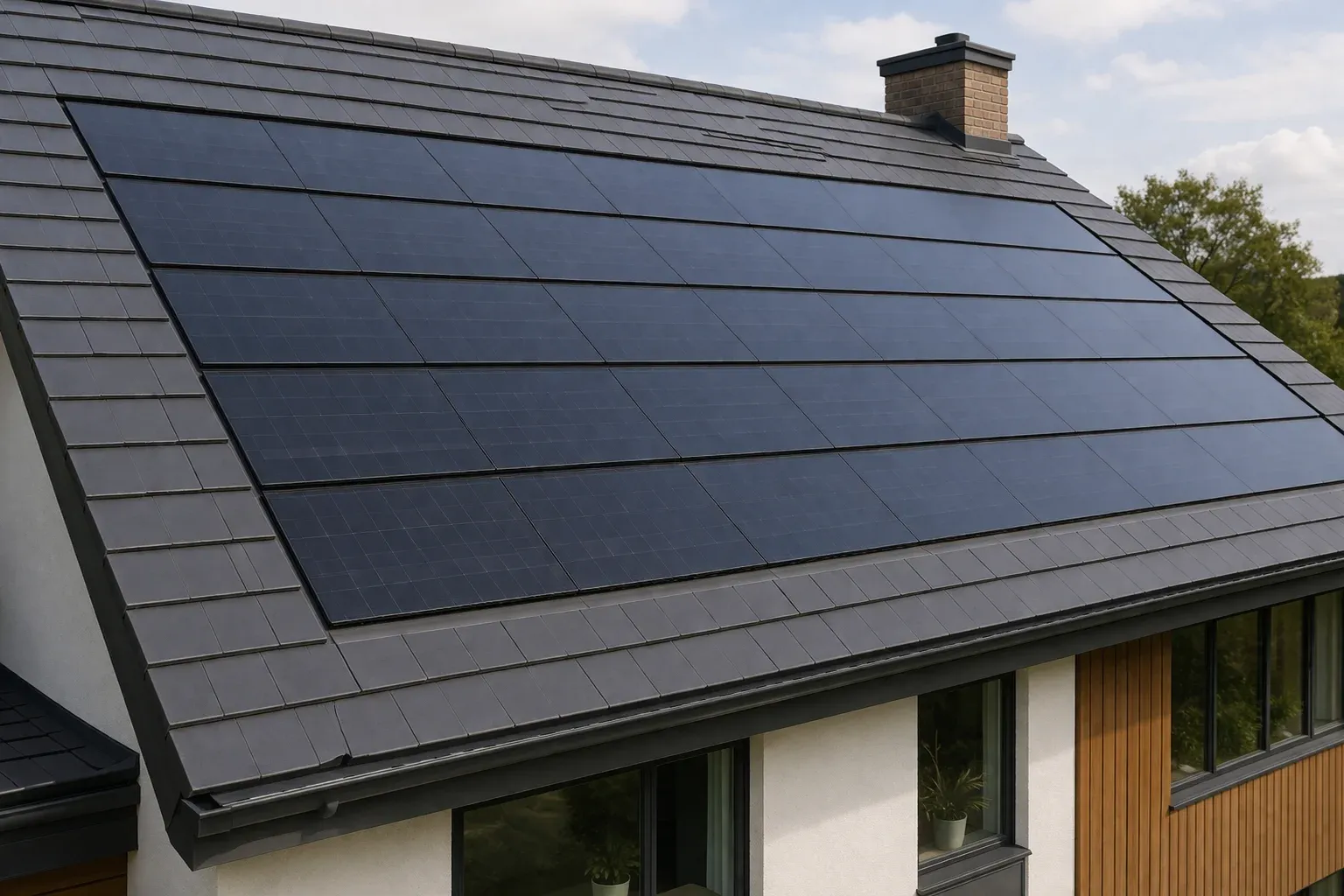
Considering a sleek, modern upgrade for your home that also slashes energy bills? In-roof solar panels offer UK homeowners an elegant solution, blending seamlessly with your roofline while generating clean electricity. This guide covers everything you need to know, from understanding the technology to installation and how it impacts your energy savings.
Ready to explore how solar can integrate with your home energy? Choose an MCS and TrustMark certified installer. They should handle planning approvals, DNO applications, paperwork, installation and final checks.
Thinking about In-roof solar panels: the UK homeowner's guide to integrated solar? With Fuse Energy, you get clear pricing, real-time usage data, 24/7 human customer support, and a modern energy experience designed around you. Switching takes as little as 3 minutes, so you can take control of your bills from day one. Click here to switch to Fuse Energy today and start saving.
Understanding in-roof solar panels for your UK home
What are built-in roof solar panels?
Built-in roof solar panels, also known as roof-integrated photovoltaic (PV) systems or solar panels embedded in roof tiles, are designed to replace traditional roof coverings rather than sitting on top of them. These in-roof solar panels integrate directly into your roof structure, creating a continuous, watertight surface. Unlike conventional on-roof solar panels, they become an integral part of your home's exterior, offering a discreet and highly aesthetic finish.
Aesthetic and property value benefits of in-roof solar
For many UK homeowners, the primary appeal of in-roof solar panels lies in their appearance. They sit flush with your roof, avoiding the bulky frames and gaps often associated with mounted systems. This sleek design can significantly enhance your property's curb appeal and modernise its look. Beyond aesthetics, a roof with built-in solar panels can also boost your property's value, making it more attractive to potential buyers seeking energy-efficient homes with a premium finish.
In-roof vs on-roof solar: key differences for UK homeowners
Comparing appearance, installation, and efficiency
The choice between in-roof solar panels vs on-roof systems often comes down to a few key factors. In terms of appearance, in-roof solar PV panels are undeniably superior for those prioritising a minimalist look. Installation for an in-roof solar panel system is generally more complex and time-consuming, as it involves removing existing roof tiles and integrating the panels as part of the roof's weatherproofing. On-roof systems are simpler to fit onto an existing roof. When it comes to efficiency, both types of solar panels offer similar performance, though in-roof systems might experience slightly higher temperatures due to less airflow, which could marginally affect output in very hot conditions.
Solar panel in roof mounting: what you need to know
The solar panel in roof mounting system for integrated solutions is crucial for both performance and weatherproofing. In-roof solar panel trays or frames are installed directly onto the roof battens, creating a secure and watertight base for the panels. These trays interlock, often mimicking the function of roof tiles, ensuring that water is shed effectively. Understanding these components is vital when choosing an in-roof solar panel kit, as the quality of the mounting system directly impacts the longevity and reliability of your entire solar installation.
In-roof solar panel costs, savings & UK incentives
Breaking down the cost of in-roof solar panels
The in-roof solar panels cost tends to be higher upfront compared to on-roof systems, primarily due to the more involved installation process and specialist components like in-roof solar panel trays. Factors influencing the total cost include the size of the system, the complexity of your roof, and the specific type of best in-roof solar panels chosen. While the initial investment is greater, the long-term aesthetic and property value benefits, combined with energy savings, often make it a worthwhile choice for many UK homeowners.
Maximising savings with the smart export guarantee (SEG)
One of the key financial benefits of installing in-roof solar panels in the UK is the ability to earn money through the Smart Export Guarantee (SEG)1. This government-backed initiative, launched on 1 January 2020, requires larger energy suppliers to pay homeowners for any surplus electricity they export back to the National Grid. By generating your own power with solar panels in your roof, you reduce the amount of electricity you need to buy, and the SEG allows you to maximise your savings by selling any excess. To be eligible for SEG payments, your in-roof solar panel installation must be certified under the Microgeneration Certification Scheme (MCS)2. You can even choose a different supplier for your SEG tariff than your import tariff.
How in-roof solar impacts your Fuse Energy bill
Having in-roof solar panels can significantly change your relationship with your energy bill. When your panels are generating electricity, you'll be using less power from the grid, directly reducing the “import” portion of your Fuse Energy bill. Any electricity you don't use is exported, potentially earning you money through the SEG from your chosen SEG licensee3. Choose an MCS and TrustMark certified installer. They should handle planning approvals, DNO applications, paperwork, installation and final checks. Choose an MCS and TrustMark certified installer. They should handle planning approvals, DNO applications, paperwork, installation and final checks. We provide clear billing that reflects your imported energy, helping you see the real-world impact of your built-in roof solar panels on your household budget.
Installing in-roof solar panels in the UK
The in-roof solar panel installation process
The in-roof solar panel installation process is a specialised task that typically begins with a detailed site survey and system design. Existing roof tiles are removed in the area where the solar panels in the roof will be placed. A waterproof membrane and in-roof solar panel trays are then installed, forming a secure base. The panels are fitted into these trays, creating a seamless and weather-tight finish. Finally, the electrical connections are made to an inverter and your home's consumer unit, followed by commissioning and testing. It's crucial to use MCS-certified installers for this work. The MCS is a quality assurance system that certifies microgeneration products and installers, ensuring they meet robust standards for quality and safety.
UK planning permission and regulations for roof-integrated solar
For most UK homes, installing roof-integrated solar panels falls under “permitted development rights,” meaning you won't need full planning permission. However, there are conditions that apply, such as panels not protruding more than 200mm from the roof surface on pitched roofs (or 600mm on flat roofs) and being installed to minimise aesthetic impact. Exceptions apply for properties in conservation areas, listed buildings, or World Heritage Sites, where planning permission or listed building consent may be required. It's always wise to check with your local planning authority to confirm the current legislation for your specific situation.
Choosing the best in-roof solar panels and kits
When selecting the best in-roof solar panels in the UK for your home, consider factors such as panel efficiency, warranty length, and aesthetic integration. Different in-roof solar panel kits offer varying designs, from full-black panels that blend almost invisibly to those that mimic the texture of traditional roof tiles with built-in solar panels. It's important to choose a reputable, MCS-certified installer who can advise on the most suitable system for your specific roof type and energy needs, ensuring a high-quality and long-lasting in-roof solar panel solution.
Installing in-roof solar panels is a significant step towards energy independence and a greener home. Fuse Energy is here to support your journey, with clear billing to help you understand your energy usage and savings. Our MCS and TrustMark certified team handles the entire process, from planning approvals to final checks, ensuring a seamless experience. Click here to get started with Fuse Energy and explore your solar options today.
References
- Ofgem. Smart Export Guarantee (SEG).
- Energy Saving Trust. Smart Export Guarantee.
- The Renewable Energy Hub. The Smart Export Guarantee (SEG) UK.
Disclaimer
For the avoidance of doubt, this article is provided for informational purposes only and is not intended to constitute legal or financial advice. The author and/or Fuse Energy shall not be responsible for any losses arising out of any reliance on the information contained herein.