Solar panel installation in Sheffield
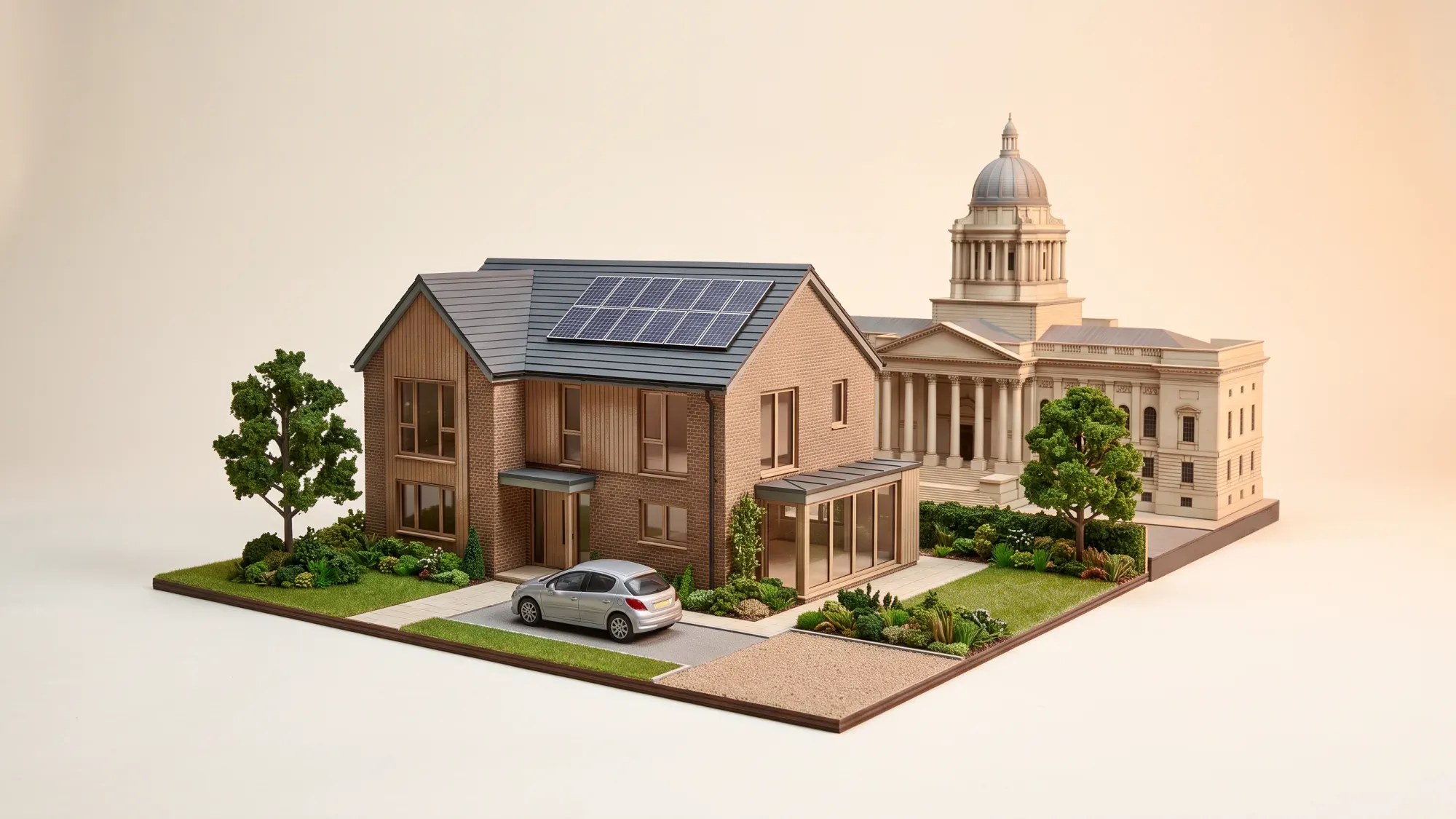
Sheffield, a city known for its industrial past and distinctive hilly landscape, offers unique opportunities for homeowners considering solar panel installation. While its northern UK location means fewer direct annual sunlight hours compared to the south, solar photovoltaic (PV) systems remain highly effective, especially when paired with battery storage. This combination maximises self-consumption from diffuse daylight. For residents in this part of South Yorkshire, understanding the local energy context - from electricity price caps to network operators - is crucial for a successful and cost-effective transition to solar power.
Understanding solar power in Sheffield
Sheffield's unique energy landscape
Sheffield sits within the "Yorkshire" electricity price cap region, meaning its unit rates and daily standing charges for electricity can differ from other areas across Great Britain. These price caps are set by Ofgem and updated quarterly, reflecting regional distribution and network charges. The Distribution Network Operator (DNO) responsible for the local electricity grid in Sheffield is Northern Powergrid. Any new solar or battery grid connections in the city require notification to Northern Powergrid under the G98/G99 process. If Fuse is your chosen installer, we will handle this notification process, ensuring your system integrates safely and efficiently with the local network.
How solar panels work in northern climates
Despite common misconceptions, solar panels perform well in northern UK climates, including Sheffield. While direct sunlight hours are fewer than in the south, solar PV technology can still generate significant electricity from diffuse daylight - the light that passes through clouds. The key to optimising performance in such conditions is often integrating battery storage. This allows you to capture and store surplus energy generated during daylight hours, even on cloudy days, for use when the sun is not shining or during peak demand periods. This approach helps Sheffield homeowners maximise their energy independence and reduce reliance on grid electricity. To learn more about how solar panels perform in varying weather, read our guide on do solar panels work on cloudy days.
Benefits of solar panels for Sheffield homes
Reducing your energy bills in the Yorkshire region
Installing solar panels can significantly cut your household electricity bills. By generating your own power, you reduce the amount of electricity you need to buy from the grid, directly impacting your outgoings. For Sheffield homeowners, this means greater control over energy costs, providing a buffer against the fluctuating regional electricity price caps set for the Yorkshire area. The more electricity you generate and use yourself, the less you are exposed to these external price changes. You can explore how this impacts your outgoings in our article about your average monthly electric bill with solar panels.
Enhancing home value and sustainability
Beyond immediate savings, solar panels add tangible value to your property. Homes with solar installations are increasingly attractive to buyers, often commanding higher resale prices. Furthermore, choosing solar power is a significant step towards a more sustainable lifestyle. By reducing your reliance on fossil fuels, you lower your carbon footprint and contribute to a cleaner, greener Sheffield.
Achieving energy independence
Solar panels, particularly when combined with battery storage, offer a path to greater energy independence. This means less vulnerability to grid outages and less reliance on traditional energy suppliers. For Sheffield residents, generating your own power provides a sense of security and control over your home's energy supply, transforming your relationship with energy from passive consumption to active generation.
The solar panel installation process in Sheffield
Initial assessment and system design
The journey to solar power begins with an assessment of your home's suitability. This involves evaluating your roof's orientation, pitch, and any potential shading from trees or neighbouring buildings. An MCS-certified installer will then design a system tailored to your specific energy needs and property characteristics, recommending the optimal number and type of panels, inverter, and battery capacity. For a detailed overview of the process, see our guide on solar panel installation.
Navigating planning permission and DNO connections
Most domestic solar panel installations in Sheffield fall under "permitted development rights," meaning you will not need full planning permission. However, there are exceptions, particularly for properties in conservation areas or listed buildings, where specific rules apply. Your chosen installer should guide you through any necessary planning applications with Sheffield City Council. If Fuse is your installer, we will handle the G98/G99 notification process with Northern Powergrid, ensuring your new solar and battery system is safely and legally connected to the local electricity grid.
What is a DNO connection notification?
A DNO connection notification, typically G98 or G99, is a formal process required by your local DNO, such as Northern Powergrid in Sheffield, when installing a new solar or battery system. It ensures your system meets safety standards and does not negatively impact the grid. Your installer usually manages this on your behalf.
Installation and commissioning
Once all approvals are in place, the physical installation of your solar panels and battery storage system can begin. This typically involves mounting the panels on your roof, installing the inverter to convert direct current (DC) electricity to alternating current (AC), and connecting the battery storage unit. After installation, the system is commissioned, tested, and certified to ensure it is operating safely and efficiently.
Choosing the right solar installer and system
The importance of MCS certification
When selecting a solar installer in Sheffield, Microgeneration Certification Scheme (MCS) certification is paramount. This accreditation scheme ensures that installers meet rigorous quality and safety standards. Crucially, choosing an MCS-certified installer is a requirement for homeowners to be eligible for the Smart Export Guarantee (SEG), allowing you to earn money for surplus electricity you export to the grid.
Selecting the best solar panels and inverters
The market offers a variety of solar panels types, each with different efficiencies and aesthetics. Your installer will help you choose panels that suit your roof space and budget. The inverter, which converts the DC power from your panels into AC power for your home, is another critical component. Modern inverters often come with smart features that optimise energy flow and monitor performance.
Integrating battery storage for optimal performance
For Sheffield homes, integrating battery storage is not just an add-on; it is a key component for optimal solar performance. A battery allows you to store excess electricity generated during the day and use it during the evening or on cloudy days, significantly increasing your self-consumption and reducing your reliance on grid power. This is particularly beneficial in northern UK climates where maximising every unit of generated electricity is vital.
Financial considerations and support for solar in Sheffield
Understanding the 0% VAT relief
Homeowners in Great Britain benefit from 0% VAT on the installation of solar panels and battery storage systems. This significant tax relief applies until 31 March 2027, making now an opportune time to invest in renewable energy for your Sheffield home. This relief directly reduces the upfront cost of your installation.
Earning with the Smart Export Guarantee (SEG)
The SEG allows you to earn money for any surplus electricity your solar panels generate and export back to the National Grid. Larger licensed energy suppliers are mandated to offer SEG tariffs, providing a payment for each unit of electricity you export. To qualify for SEG payments, your solar panel installation must be carried out by an MCS-certified installer and you typically need a smart meter capable of half-hourly readings.
Long-term savings and return on investment
While the initial outlay for solar panels and battery storage can be substantial, the long-term financial benefits are compelling. Reduced electricity bills, earnings from the SEG, and the 0% VAT relief all contribute to a strong return on investment. Over their lifespan, solar panels can save you thousands of pounds, increase your property value, and provide greater energy independence.
Maximising your solar investment with battery storage
Why battery storage is crucial for Sheffield homes
For Sheffield homeowners, battery storage is not merely a luxury; it is a strategic investment that significantly enhances the value of your solar PV system. Given the northern UK climate, where diffuse daylight is common, a battery ensures that every unit of electricity generated is captured and available for use, rather than being exported to the grid at potentially lower SEG rates or wasted. This maximises your self-consumption and energy savings.
Storing surplus energy for peak demand
With battery storage, any excess electricity your solar panels produce during sunny periods is stored for later use. This is particularly beneficial during peak demand times when electricity from the grid is typically more expensive. By drawing from your stored energy, you avoid buying high-priced electricity, further reducing your energy bills and providing a "power play" against market fluctuations.
Achieving true energy self-sufficiency
Integrating solar panels with battery storage moves you closer to true energy self-sufficiency. It gives you the capability to power your home largely from your own generated and stored electricity, reducing your reliance on external energy sources. This empowers Sheffield residents with greater control over their home energy usage, contributing to a more resilient and decentralised energy system.
Disclaimer
For the avoidance of doubt, this article is provided for informational purposes only and is not intended to constitute legal or financial advice. The author and/or Fuse Energy shall not be responsible for any losses arising out of any reliance on the information contained herein.