Solar panels in North London: a smart energy choice
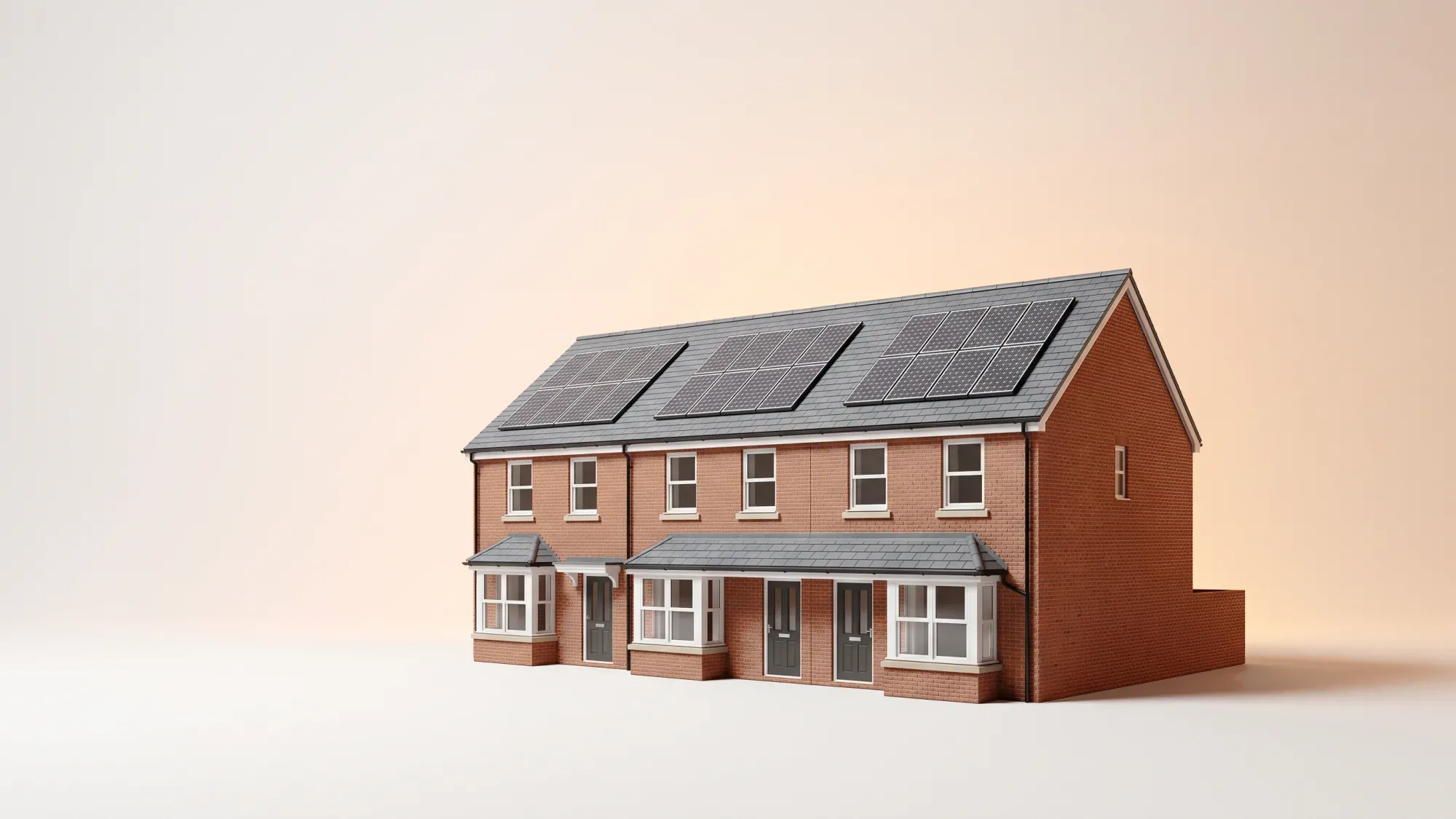
North London, with its distinctive blend of historic Victorian terraces and bustling urban density, presents unique considerations for homeowners looking to embrace solar power. While the capital's architecture offers charm, it often raises questions about the suitability of solar panels, particularly within conservation areas. Yet, with Southern England enjoying some of the UK's highest annual sunlight hours, installing solar panels here is one of the country's smartest energy investments, even when factoring in diffuse daylight.
Why consider solar panels in North London?
Embracing solar panel installation in North London offers more than just environmental benefits; it is a strategic move for financial stability and property enhancement. Homeowners can gain greater control over their energy usage and costs, transforming energy consumption from a source of anxiety into a strategic asset.
Energy independence and savings
Installing solar panels allows you to generate your own electricity, significantly reducing reliance on grid power and insulating you from volatile energy price fluctuations. London sits in its own electricity distribution region for Ofgem's price cap, affecting local unit rates and standing charges, making self-generated power an even more attractive proposition for managing household budgets. By producing your own clean energy, you gain a tangible sense of energy independence and can enjoy substantial savings on your electricity bills.
Increasing property value
A home equipped with a modern solar panel system is often more appealing to prospective buyers. Energy efficiency is a key factor for many in today's property market, and solar installations can demonstrably increase a property's value, especially in competitive areas like North London. It signals a forward-thinking approach to homeownership and can be a significant selling point.
Environmental benefits for urban living
Choosing solar power contributes directly to reducing your carbon footprint, supporting cleaner air and a healthier environment for urban living. This is not about sacrifice; it is about making a positive impact while simultaneously benefiting from a more efficient and cost-effective energy supply. It is a clear demonstration of control over your energy choices, aligning with a future of abundant, clean power.
North London's unique solar landscape
North London's architectural character and planning considerations mean that solar panel installation requires a tailored approach. Understanding these local specifics is crucial for a successful project.
Solar suitability for Victorian terraces and urban homes
Many North London homes, particularly Victorian terraces, come with specific challenges and opportunities for solar. While roof aesthetics and structural integrity need careful assessment, modern solar technology offers flexible solutions. Low-profile panels and in-roof systems can integrate seamlessly, often enhancing the property's overall appearance. An experienced solar installer will know how to maximise solar gain on various roof types common in the area.
Navigating conservation area planning
Properties located within conservation areas or those with specific architectural features may require planning permission for solar panel installation. This process can be complex, involving detailed applications and adherence to local guidelines. Choosing an installer with a proven track record in North London is vital, as they can guide you through these regulatory hurdles, ensuring compliance and a smooth approval process.
Sunlight hours and performance in Southern England
Despite common misconceptions about UK weather, Southern England, including London, benefits from some of the highest annual sunlight hours in the country. For instance, London (Greenwich) averages 1,526 hours of sunshine annually. Modern solar panels are also highly efficient, generating useful electricity even on cloudy or overcast days, meaning consistent performance throughout the year. You can learn more about how solar panels work on cloudy days.
The solar panel installation process
Embarking on a solar panel installation journey involves several key steps, from selecting the right installer to navigating the grid connection. A clear understanding of this process empowers you to make informed decisions.
Finding an MCS-certified installer
The first and most critical step is to select a local, Microgeneration Certification Scheme (MCS)-certified solar installer. MCS certification is a mark of quality and competence, ensuring that your installation meets industry standards. Crucially, MCS certification is also a prerequisite for homeowners to qualify for government schemes like the Smart Export Guarantee (SEG), which pays you for surplus electricity exported to the grid. Choosing an unaccredited installer could lead to ineligibility for these financial benefits.
Site survey and system design
Once you have chosen an MCS-certified installer, they will conduct a detailed site survey. This involves assessing your roof's suitability, orientation, pitch, and any potential shading issues. Based on this, they will design a bespoke solar system that maximises energy generation for your property, taking into account your energy consumption patterns and aesthetic preferences. This design will include panel type, inverter choice, and often, battery storage options. For more details on the process, read our guide to solar panel installation. You can also explore the typical solar panel installation cost to help with your planning.
Understanding the G98/G99 grid connection with UK Power Networks
Connecting your new solar or battery system to the National Grid in London requires notification to the local Distribution Network Operator (DNO), UK Power Networks. This is done under the G98/G99 process. Your chosen installer should handle this on your behalf, submitting the necessary paperwork and ensuring your system complies with all technical requirements. This process is mandatory for microgeneration systems and ensures safe and efficient integration with the wider electricity network.
What is the G98/G99 process for solar?
The G98/G99 process is a mandatory notification procedure for connecting microgeneration systems, like solar panels and battery storage, to the National Grid in the UK. It ensures your system is safe and compatible with the local electricity network, and it is typically managed by your installer with the DNO.
Financial benefits and incentives
The financial landscape for solar panel installation in North London is currently very favourable, offering significant incentives that make the investment more attractive than ever.
0% VAT on solar and battery storage
A major financial boost for homeowners is the 0% VAT rate applied to the installation of solar panels and battery storage systems across Great Britain. This significant reduction in upfront costs is available until 31 March 2027, making it an opportune time to invest in renewable energy for your home. From 1 April 2027, the VAT rate is due to rise to 5%. This incentive directly reduces the overall expense of your solar installation, improving your return on investment.
The Smart Export Guarantee (SEG)
The SEG requires larger licensed energy suppliers to pay you for any surplus solar electricity you export back to the grid. This means you earn money for the energy your panels generate but your home does not immediately use. To qualify for SEG payments, your solar panel installation must be MCS-certified. This scheme adds another layer of financial benefit, helping to shorten the payback period of your solar investment.
London's electricity price cap region
London falls within its own distinct electricity distribution region for Ofgem's energy price cap. This means the unit rates and daily standing charges for electricity can differ from other parts of the UK. By generating your own power, you gain greater control over your energy costs, mitigating the impact of these regional price variations and the quarterly adjustments to the price cap. This local context makes the financial advantages of solar even more pronounced for North London residents.
Choosing your North London solar partner
Selecting the right solar installer is paramount to a successful and rewarding experience. It is about finding a partner who understands North London's unique environment and can deliver a comprehensive, reliable solution.
Key questions to ask installers
When evaluating potential solar panel installers, ask about their experience with properties similar to yours, particularly Victorian terraces or homes in conservation areas. Inquire about their MCS certification and how they handle the G98/G99 grid connection process with UK Power Networks. Discuss warranty details for both the equipment and the installation, and ask for references from local customers. A transparent installer will provide clear answers and detailed proposals.
Integrated solar and battery solutions
For maximised energy independence and savings, consider an integrated solar and battery solution. Battery storage allows you to store excess solar energy generated during the day and use it during the evening or on cloudy days, further reducing your reliance on the grid. This holistic approach provides greater control over your energy usage and can significantly increase your financial returns, especially when paired with smart tariffs. Fuse offers a comprehensive approach to home energy upgrades, simplifying the transition to renewable energy for London residents.
Long-term support and maintenance
A reliable solar partner offers ongoing support beyond the installation. This includes monitoring your system's performance, providing maintenance, and being available for any queries or issues that may arise. Fuse provides continuous 24/7 human customer support to ensure North London customers have a seamless and reliable solar energy experience. This long-term commitment ensures your investment continues to deliver optimal performance and peace of mind.
Disclaimer
For the avoidance of doubt, this article is provided for informational purposes only and is not intended to constitute legal or financial advice. The author and/or Fuse Energy shall not be responsible for any losses arising out of any reliance on the information contained herein.