Solar panel installation Berkshire
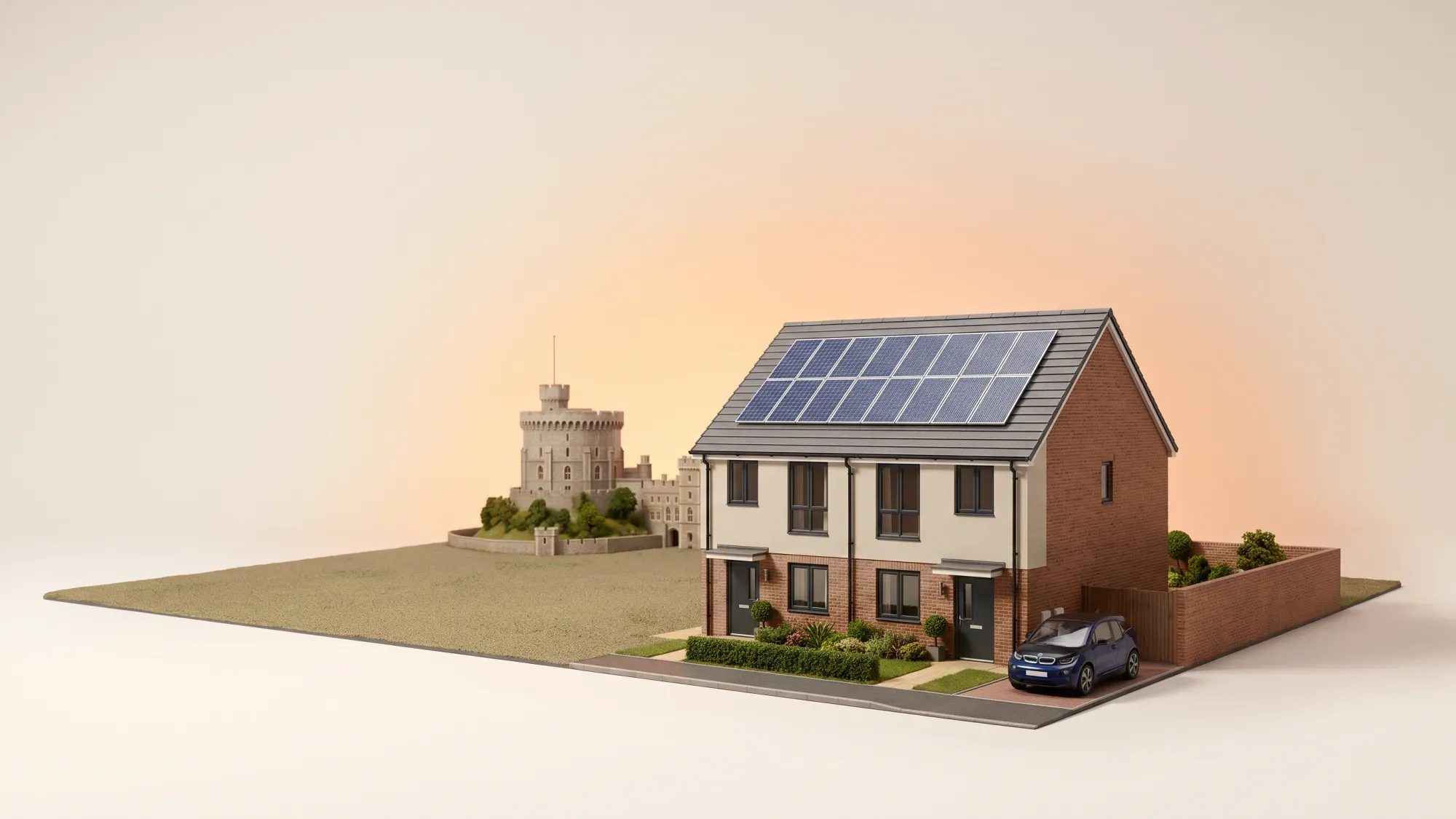
Berkshire, with its mix of historic market towns like Newbury and Windsor, and its position within the sunnier Southern England region, offers an excellent environment for solar panel installation. Homeowners across the county are increasingly turning to solar to reduce energy bills, lower their carbon footprint, and gain greater control over their household energy. This guide provides Berkshire residents with the specific local insights and practical advice needed to confidently navigate the process, from understanding regional energy factors to choosing the right installer.
Why consider solar panels in Berkshire?
Installing solar panels is a significant home upgrade that offers multiple benefits, particularly for properties in Berkshire. It is a strategic move towards energy independence and a more sustainable lifestyle.
Harnessing Berkshire's sunlight
Southern England, where Berkshire is located, benefits from some of the highest annual sunlight hours in the UK. This means solar panel installations in the region can achieve excellent payback periods, making them a sound investment for homeowners. Even on overcast days, modern solar panels efficiently generate electricity from diffuse daylight, ensuring useful output throughout the year. You can learn more about how solar panels work on cloudy days.
Reducing energy bills and carbon footprint
Generating your own electricity significantly reduces reliance on grid energy, directly impacting your monthly energy bills. A significant incentive for homeowners considering solar is the 0% VAT rate applied to the installation of solar panels and battery storage systems across Great Britain, which is in effect until 31 March 2027. This offers a substantial reduction in the overall upfront cost of your system, making the financial benefits even more immediate. Beyond savings, solar panels contribute to a substantial reduction in your household's carbon emissions, aligning with a growing desire for environmental responsibility.
Boosting property value
A home equipped with a modern solar panel system and battery storage is often more attractive to potential buyers. It signals lower running costs and a future-ready property, potentially increasing its market value. As energy efficiency becomes a key consideration for homebuyers, solar installations offer a tangible asset.
Understanding local considerations for Berkshire homeowners
While the benefits of solar are universal, specific local factors in Berkshire influence the installation process and ongoing energy management. Understanding these nuances is crucial for a smooth transition to solar power.
Berkshire's energy price-cap region
Berkshire falls within the 'Southern England' electricity distribution region, which is a key factor in how your energy bills are calculated. Ofgem's energy price cap, which limits the unit rates and daily standing charges energy suppliers can charge, is set quarterly per region. This means that energy costs in Berkshire can differ from other parts of the UK, impacting the financial savings gained from your solar generation. The price cap is updated on 1 January, 1 April, 1 July, and 1 October each year.
Connecting to the grid: Scottish and Southern electricity Networks (SSEN)
For Berkshire residents, Scottish and Southern Electricity Networks (SSEN) is the local Distribution Network Operator (DNO). The DNO is responsible for maintaining the local electricity grid, including power lines and substations. In the event of a power cut, Berkshire residents should dial the free national number 105, which will route them directly to SSEN for assistance.
Navigating the G98/G99 process
When installing a new home EV charger1 or a solar and battery storage system, a grid connection notification process, known as G98/G99, is required. This process ensures that your new energy system can safely and effectively connect to the local grid without causing disruptions. In Berkshire, these notifications are sent to SSEN. Reputable solar installers typically handle this regulatory requirement on your behalf, submitting the necessary paperwork to the DNO as part of their service.
Financial incentives for solar in England
Several government-backed schemes are in place to make solar panel installation more accessible and financially rewarding for homeowners in England.
0% VAT on solar and battery storage
A significant incentive for homeowners considering solar is the 0% VAT rate applied to the installation of solar panels and battery storage systems across Great Britain. This measure is temporary and will remain in effect until 31 March 2027, offering a substantial reduction in the overall upfront cost of your system. This relief makes investing in renewable energy more affordable than ever. From 1 April 2027, the VAT rate is scheduled to revert to 5% for these installations.
The Smart Export Guarantee (SEG)
The Smart Export Guarantee (SEG) is a government-backed initiative that requires larger licensed energy suppliers to pay homeowners for any surplus solar electricity they export back to the National Grid. This means that if your solar panels generate more electricity than your home consumes, you can earn money by selling the excess. To qualify for SEG payments, your solar panel installation must be certified under the Microgeneration Certification Scheme (MCS). Choosing an MCS-certified installer is therefore crucial for accessing this financial benefit.
What is the MCS?
The MCS is a quality assurance scheme for renewable energy installations in the UK. It certifies both renewable energy products and installers. For homeowners, MCS certification is a mandatory requirement to qualify for government incentives like the SEG, ensuring installations meet high standards.
Maximising your savings
To truly maximise the financial benefits of solar, consider integrating a battery storage system with your panels. This allows you to store excess electricity generated during the day and use it during the evening or at night, reducing your reliance on grid electricity even further. Understanding how this impacts your average monthly electric bill with solar panels can help you make informed decisions to maximise your solar investment and manage your home energy efficiently.
The solar panel installation process
Installing solar panels is a structured process, typically managed by your chosen installer, ensuring a smooth transition to generating your own clean energy.
Choosing an MCS-certified installer
The first and most critical step is selecting a reputable and MCS-certified solar panel installer. MCS certification is not just a mark of quality; it is a mandatory requirement if you wish to benefit from the SEG. An MCS-certified installer ensures your system meets national standards, giving you peace of mind and access to financial incentives. Failing to choose an MCS-certified installer is a common pitfall that can prevent eligibility for the SEG. You can find more details on the solar panel installation process.
Site survey and system design
Once you have chosen an installer, they will conduct a detailed site survey of your Berkshire property. This involves assessing your roof's suitability, orientation, shading, and structural integrity. Based on this survey and your household's energy consumption, the installer will design a bespoke solar panel system tailored to your needs, specifying the number and type of panels, inverter, and any battery storage.
Installation and commissioning
Following the design approval, the physical installation of the solar panels, inverter, and battery (if applicable) will take place. This typically involves mounting the panels on your roof, wiring the system, and connecting it to your home's electrical supply. After installation, the system is commissioned, tested to ensure it is operating correctly, and connected to the grid. Your installer will also handle the necessary DNO notifications, such as the G98/G99 process, with SSEN on your behalf.
Beyond installation: managing your home energy
Installing solar panels is just the beginning. Effective energy management post-installation can further enhance your savings and contribute to a more resilient home energy system.
Integrating battery storage
Pairing your solar panels with battery storage is a powerful combination. It allows you to store surplus electricity generated during the day and use it later when your panels are not producing, such as in the evenings or on cloudy days. This significantly increases your self-consumption of solar energy, reducing the amount you need to import from the grid and further lowering your bills.
Monitoring your solar performance
With a modern solar setup, you gain unprecedented visibility into your energy generation and consumption. Many energy management tools provide real-time data, allowing you to monitor your system's performance, track your savings, and identify opportunities to optimise your energy usage. This transparency empowers you to make smarter energy choices and maximise your solar investment.
Future-proofing your home
Solar panels are a cornerstone of a future-proofed home energy system. By generating your own clean electricity and potentially integrating battery storage and EV charging, you reduce your reliance on fluctuating grid prices and contribute to a more sustainable energy future. Fuse supports these home energy upgrades as part of a distributed, modern energy system, aligning with its vision of abundant, clean energy. This approach challenges the scarcity mindset by promoting abundant, clean energy solutions for Berkshire residents, offering a future where energy is not a constant worry.
References
- UK Government. Electric Vehicle Chargepoint Grants
Disclaimer
For the avoidance of doubt, this article is provided for informational purposes only and is not intended to constitute legal or financial advice. The author and/or Fuse Energy shall not be responsible for any losses arising out of any reliance on the information contained herein.