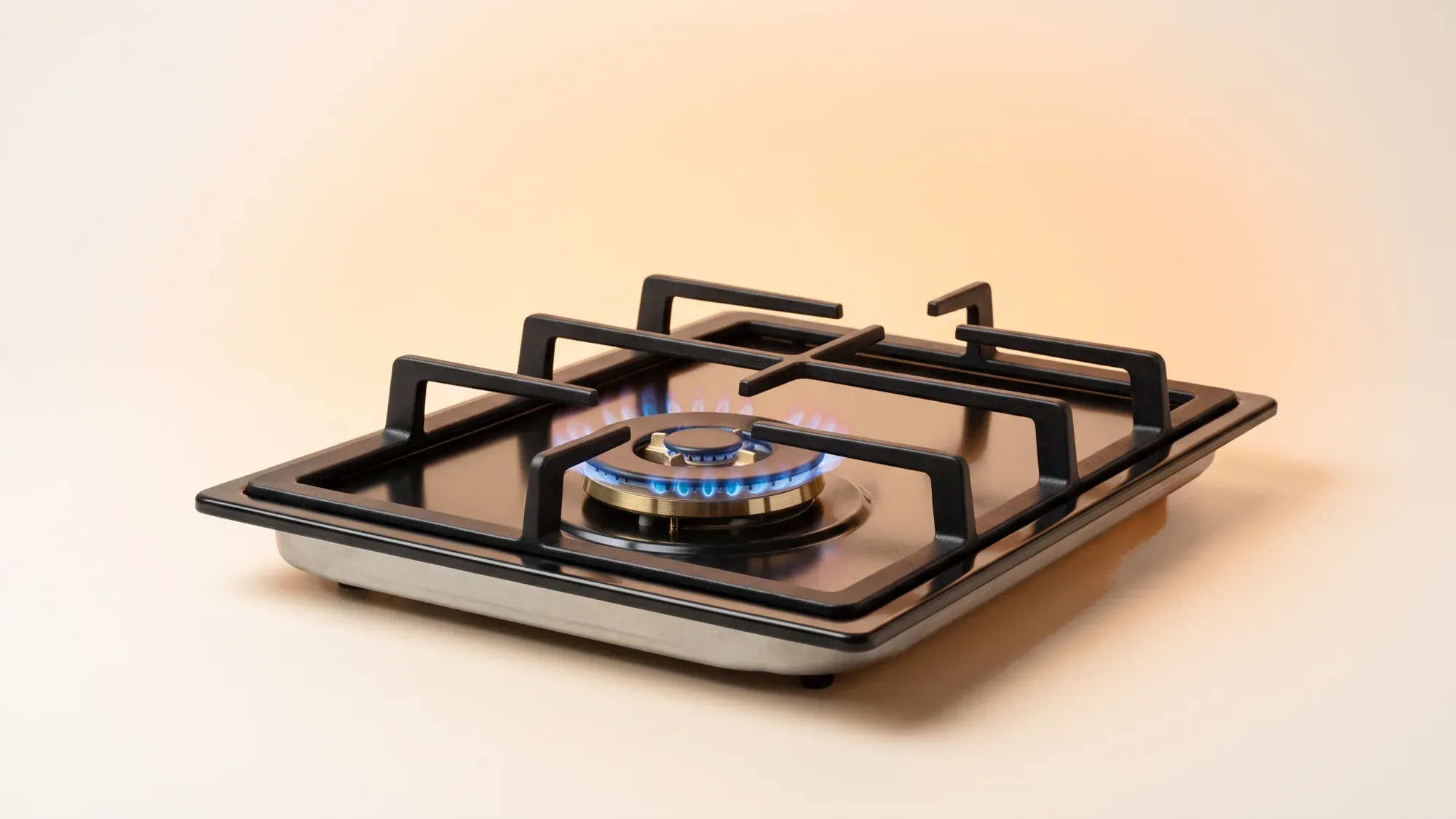
In most UK homes, the boiler uses by far the most gas, powering central heating and hot water. Gas cookers, ovens, fires, and (less commonly) tumble dryers make up the rest. Knowing which of your appliances run on gas helps you work out where your money goes and where you can cut waste.
Natural gas is a primary energy source for heating and cooking in many UK homes. According to the 2021 Census, around 74% of households in England and Wales (18.3 million) use mains gas as their only central heating fuel. Understanding where this gas goes is crucial for managing energy costs and efficiency.
Why knowing your gas usage matters
Ignoring how gas is consumed in your home can lead to unexpected high bills and missed opportunities for efficiency. By identifying which appliances are gas-powered and understanding their consumption patterns, you gain the knowledge to manage your energy more effectively. You can also learn how to read your gas meter to keep track of your consumption.
Gas versus electricity: what is the difference?
It is important to differentiate between gas and electricity, as they serve distinct purposes in most UK homes. Gas is primarily used for heating and cooking, delivered through pipelines directly to your property. Electricity, on the other hand, powers lighting, electronics, and many other appliances, supplied via the National Grid. While both contribute to your energy bill, understanding their separate roles helps pinpoint where your energy is being consumed.
In most UK households, several key appliances rely on natural gas. Identifying these and understanding their typical consumption patterns is the first step towards informed energy management.
Gas boilers and central heating
The gas boiler is typically the largest consumer of gas in most UK homes, powering central heating and hot water systems. It works by burning natural gas to heat water, which then circulates through radiators and is stored for taps and showers. Given its significant role, optimising your boiler's efficiency can have a substantial impact on your overall gas usage.
Gas cookers and ovens
Many kitchens in the UK feature gas cookers and ovens, favoured by many for their instant heat and precise temperature control. While they generally consume less gas than a boiler, their usage can still add up, especially for those who cook frequently.
Gas fires and space heaters
Gas fires and standalone gas heaters provide supplementary heating, often used to warm individual rooms rather than the entire house. They offer a cosy ambience and quick heat, but their efficiency varies. Understanding when and how to use these appliances can help manage their contribution to your gas consumption.
Gas tumble dryers and other appliances
Less common but still present in some homes are gas tumble dryers, which use gas to generate heat for drying clothes. Other niche gas appliances might include gas-powered water heaters (separate from a combi boiler), or even outdoor gas BBQs connected to the mains supply.
Taking control of your gas usage means more than just cutting back; it is about smart optimisation. By implementing strategic changes, you can maintain comfort while improving efficiency. For more general advice, explore our energy bill saving tips.
Maximising boiler efficiency
Regular servicing is crucial for keeping your gas boiler running efficiently. An annual check by a Gas Safe registered engineer ensures it operates safely and at its best. Beyond maintenance, consider adjusting your thermostat settings, using a timer to heat your home only when needed, and bleeding radiators to ensure even heat distribution.
Smart thermostats and controls
Upgrading to a smart thermostat offers a powerful way to manage your heating. These devices learn your habits, allow remote control via an app, and can optimise heating schedules to reduce waste. This technology puts precise control over your home's warmth directly into your hands. Pairing this with a smart meter installation can further enhance your energy management.
Insulation and draught-proofing
Improving your home's insulation and tackling draughts are fundamental steps to reducing gas consumption. Loft and wall insulation prevent heat from escaping, while simple measures like sealing gaps around windows and doors can significantly reduce the workload on your heating system.
Mindful appliance use
Even small changes in how you use your gas appliances can make a difference. For cookers, using lids on pans and ensuring burners are clean can improve efficiency. For gas fires, consider if they are truly needed or if central heating is a more efficient option for the space.
Gas safety is paramount in any home. Regular checks and awareness of potential hazards are not just good practice, but essential for your well-being.
Annual gas safety checks
It is mandatory for landlords to arrange annual gas safety checks for their tenants, and highly recommended for homeowners. These checks, carried out by a Gas Safe registered engineer, ensure all gas appliances, flues, and pipework are in safe working order.
Recognising gas leaks
Natural gas is odourised to give it a distinctive smell, often described as rotten eggs, making leaks easier to detect. If you suspect a gas leak, act immediately: turn off the gas supply if safe to do so, open windows and doors, and evacuate the property. Do not use electrical switches or open flames, and call the National Gas Emergency Service on 0800 111 999.
Carbon monoxide awareness
Carbon monoxide (CO) is a highly dangerous gas produced by incomplete combustion in faulty gas appliances. It is colourless, odourless, and tasteless, making it undetectable without an alarm. Installing audible carbon monoxide alarms in your home is a vital safety measure. Ensure they are regularly tested and maintained. For more information, read our guide on where to locate carbon monoxide detectors.