Where to locate CO detectors
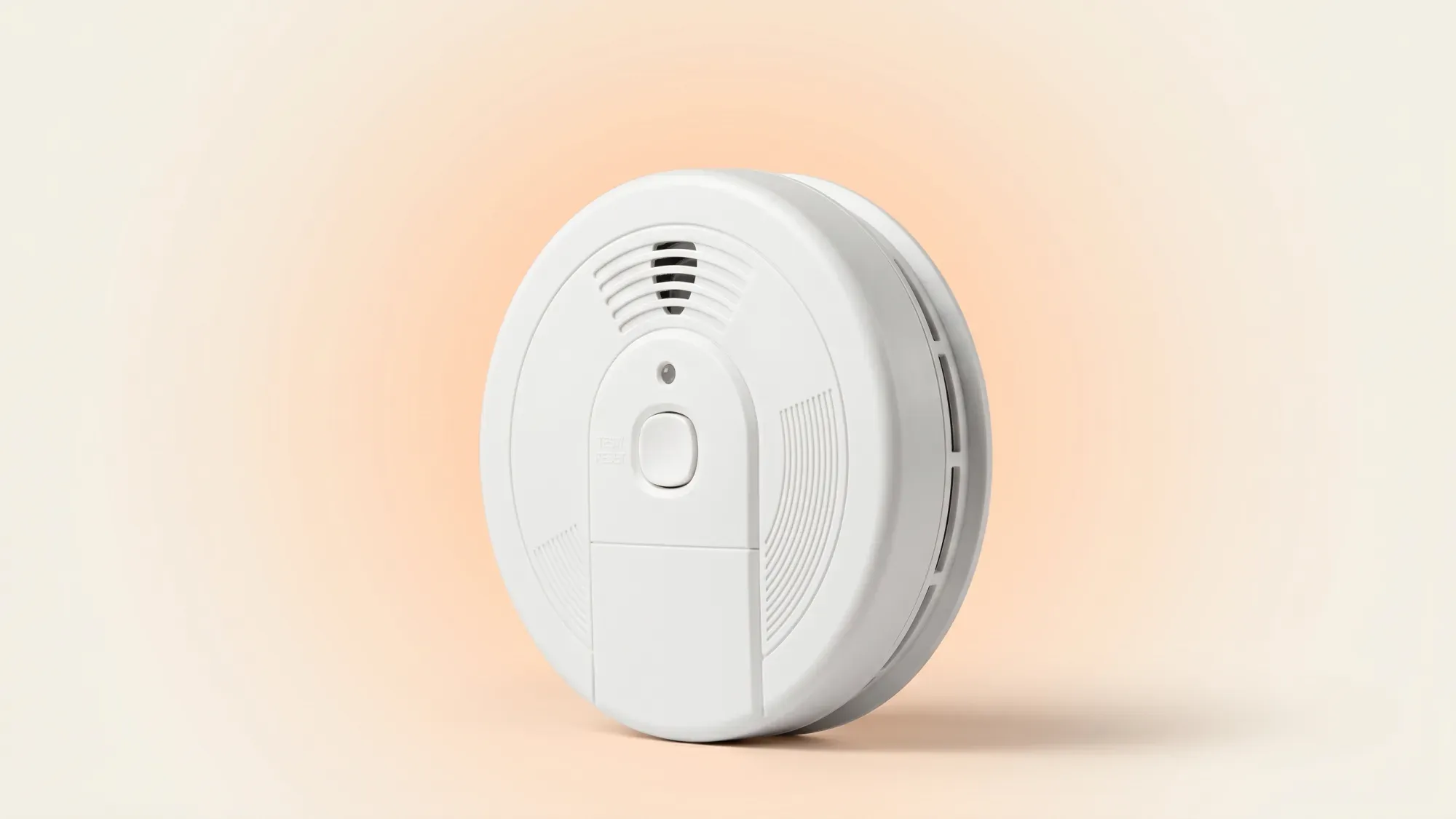
Carbon monoxide (CO) detectors are vital for home safety, providing early warnings against this invisible, odourless, and highly toxic gas. Knowing where to place them is crucial for their effectiveness. This guide explains the optimal locations for CO detectors in your home, considering UK regulations and best practices.
Understanding the risks of carbon monoxide and ensuring your home is equipped with properly placed detectors is a key part of maintaining a safe living environment. Fuse Energy is committed to helping you manage your home energy safely and efficiently. Click here to explore how Fuse can support your energy needs.
Enter your address to get a quote and see how much you could save
Understanding carbon monoxide: the silent killer
Carbon monoxide is a colourless, odourless, tasteless, and highly toxic gas produced by the incomplete combustion of carbon-based fuels. It is often called the "silent killer" because human senses cannot detect its presence. Common household appliances such as boilers, gas fires, wood-burning stoves, and even faulty chimneys can generate CO.
What is carbon monoxide?
Carbon monoxide consists of one carbon atom and one oxygen atom. It forms when fuels like natural gas, propane, wood, or coal do not burn completely. While CO is slightly lighter than air at room temperature, it mixes well with the air in a room, meaning it does not simply rise to the ceiling or sink to the floor.
Why is CO detection important?
CO is highly toxic even at relatively low concentrations. When inhaled, it replaces oxygen in the blood, leading to tissue damage or death. Early symptoms of CO poisoning can be mistaken for common ailments such as headaches, dizziness, nausea, and fatigue. Because it is undetectable by human senses, CO detectors are essential for providing an early warning, which can be life-saving.
Can a carbon monoxide detector detect carbon dioxide?
No, a carbon monoxide (CO) detector is specifically designed to detect CO and cannot detect carbon dioxide (CO2). These are different gases with distinct chemical properties and require different sensing technologies. While both are colourless and odourless, CO is highly toxic at low concentrations, whereas CO2 typically becomes hazardous at much higher levels.
UK regulations and best practice
UK regulations and recommendations provide specific guidance on CO detector placement, particularly for rented properties and new builds.
Legal requirements for landlords
In England, the Smoke and Carbon Monoxide Alarm (Amendment) Regulations 2022, in force from 1 October 2022, mandate that landlords must install a carbon monoxide alarm in any room used as living accommodation which contains a fixed combustion appliance (excluding gas cookers). This includes appliances like gas boilers and oil-fired systems. Landlords are also responsible for repairing or replacing alarms once notified of a fault. Failure to comply with a remedial notice from the local authority can result in fines of up to £5,000 per breach.
In Scotland, since 1 February 2022, every home (owned or rented) must have a CO alarm in any room with a carbon-fuelled appliance or flue (excluding cooking appliances).
In Wales, under the Renting Homes (Fitness for Human Habitation) (Wales) Regulations 2022, effective from 1 December 2022, a CO alarm is required in every room containing a gas, oil, or solid-fuel appliance.
Recommendations for homeowners
Building Regulations in England (Approved Document J) recommend CO alarms in new or refurbished properties with fuel-burning appliances. Since October 2010, Approved Document J has required a CO alarm to be fitted whenever a new or replacement fixed combustion appliance is installed. This applies to all fuel types, including gas boilers and wood-burning stoves. For those considering a new heating system, understanding the requirements for appliances like heat pumps or even a Boiler Upgrade Scheme is important.
For optimal protection, a carbon monoxide detector should be installed on each level of a home, especially near sleeping areas and in rooms containing fuel-burning appliances.
Optimal carbon monoxide detector placement
Strategic placement ensures your CO detectors can effectively monitor for gas leaks and alert you in time.
Near fuel-burning appliances
Place CO detectors in rooms containing fuel-burning appliances such as boilers, gas fires, and wood-burning stoves. This allows for early detection of CO at its potential source. However, it is important to maintain a distance of 1 to 3 metres (approximately 3 to 10 feet) from the appliance to avoid nuisance alarms caused by small, transient emissions during normal operation.
In sleeping areas
Since carbon monoxide poisoning can occur while people are asleep, placing detectors near sleeping areas is critical. Ideally, install one just outside each bedroom or in the hallway leading to bedrooms, ensuring the alarm is loud enough to wake everyone in the house. For enhanced safety, consider placing additional detectors inside individual bedrooms.
On each level of your home
Install at least one CO detector on every level of your home, including the basement and any upper floors. This ensures that CO is detected no matter where it originates, as it spreads quickly through enclosed spaces.
Installation height: where to mount your detector
The ideal height for your CO detector depends on whether it is wall-mounted or ceiling-mounted, and the specific manufacturer's instructions should always be followed.
Wall-mounted detectors
Many experts recommend placing wall-mounted CO detectors at head height or eye level, approximately 1 to 3 metres away from a potential CO source. This height makes them easy to access for monthly testing. Some sources also suggest knee level, as CO mixes with air, making the "breathing zone" a priority.
Ceiling-mounted detectors
While CO mixes with air rather than just rising, ceiling placement can still be effective. If ceiling-mounted, ensure it is at least 300mm (approximately 12 inches) from any wall or obstruction. Avoid placing it directly on the ceiling if hot air might prevent CO from reaching the alarm.
Locations to avoid for CO detectors
Incorrect placement can impair a detector's effectiveness or lead to false alarms.
Near vents and windows
Avoid installing CO detectors near open windows, doors, air vents, or extractor fans. Turbulent air can prevent CO from reaching the sensors, leading to inaccurate readings or delayed detection.
In direct sunlight or high humidity
Do not place detectors in direct sunlight or in areas of high humidity, such as bathrooms or laundry rooms. Extreme temperatures or moisture can interfere with the detector's sensors and reduce its performance.
Too close to appliances
While detectors should be near fuel-burning appliances, placing them too close (e.g., directly above a gas cooker or very close to a boiler) can lead to nuisance alarms. A distance of 1 to 3 metres is generally recommended to allow the detector to sample the air effectively without being immediately exposed to minor emissions.
How many CO detectors do you need?
The number of CO detectors required depends on your home's size and layout, but there are minimum recommendations for safety.
Minimum recommendations
At a minimum, you should have at least one CO detector on each level of your home. Additionally, a detector should be placed outside or near all sleeping areas. For rooms containing fuel-burning appliances, a detector is also essential.
Enhanced protection for larger homes
For larger homes or properties with multiple fuel-burning appliances, consider installing additional detectors. This could include placing one in each bedroom, in rooms where you spend a significant amount of time (like living rooms), and in attached garages. The goal is to ensure comprehensive coverage and that an alarm can be heard throughout the property. This proactive approach can also contribute to overall energy efficiency and safety, similar to how understanding your energy usage can help you save energy at home.
Maintaining your carbon monoxide detectors
Regular maintenance is key to ensuring your CO detectors remain effective.
Regular testing
Test your carbon monoxide detectors at least once a month by pressing the "test" button. This checks the electronics and ensures the alarm sounds. If the alarm does not sound, the batteries may need replacing (for battery-operated units) or the detector itself might need to be replaced.
Replacing your detectors
Carbon monoxide detectors have a limited lifespan, typically ranging from 5 to 10 years, depending on the model. After this period, the sensors can degrade and become less accurate at detecting CO. Always check the expiry date, usually printed on the back or side of the unit, and replace the detector immediately if it is past its recommended lifespan, damaged, or fails a test. Some alarms will indicate their end-of-life with a specific "chirp".
Ensuring your home is safe from carbon monoxide is a critical part of responsible home management. Fuse Energy is dedicated to providing clear, reliable energy services that support your home's well-being. With transparent pricing, real-time usage data, and 24/7 human support, we make managing your energy straightforward. Switch to Fuse Energy today and experience a modern approach to home energy. Click here to get started.
Disclaimer
For the avoidance of doubt, this article is provided for informational purposes only and is not intended to constitute legal or financial advice. The author and/or Fuse Energy shall not be responsible for any losses arising out of any reliance on the information contained herein.