Solar panel installation Sutton
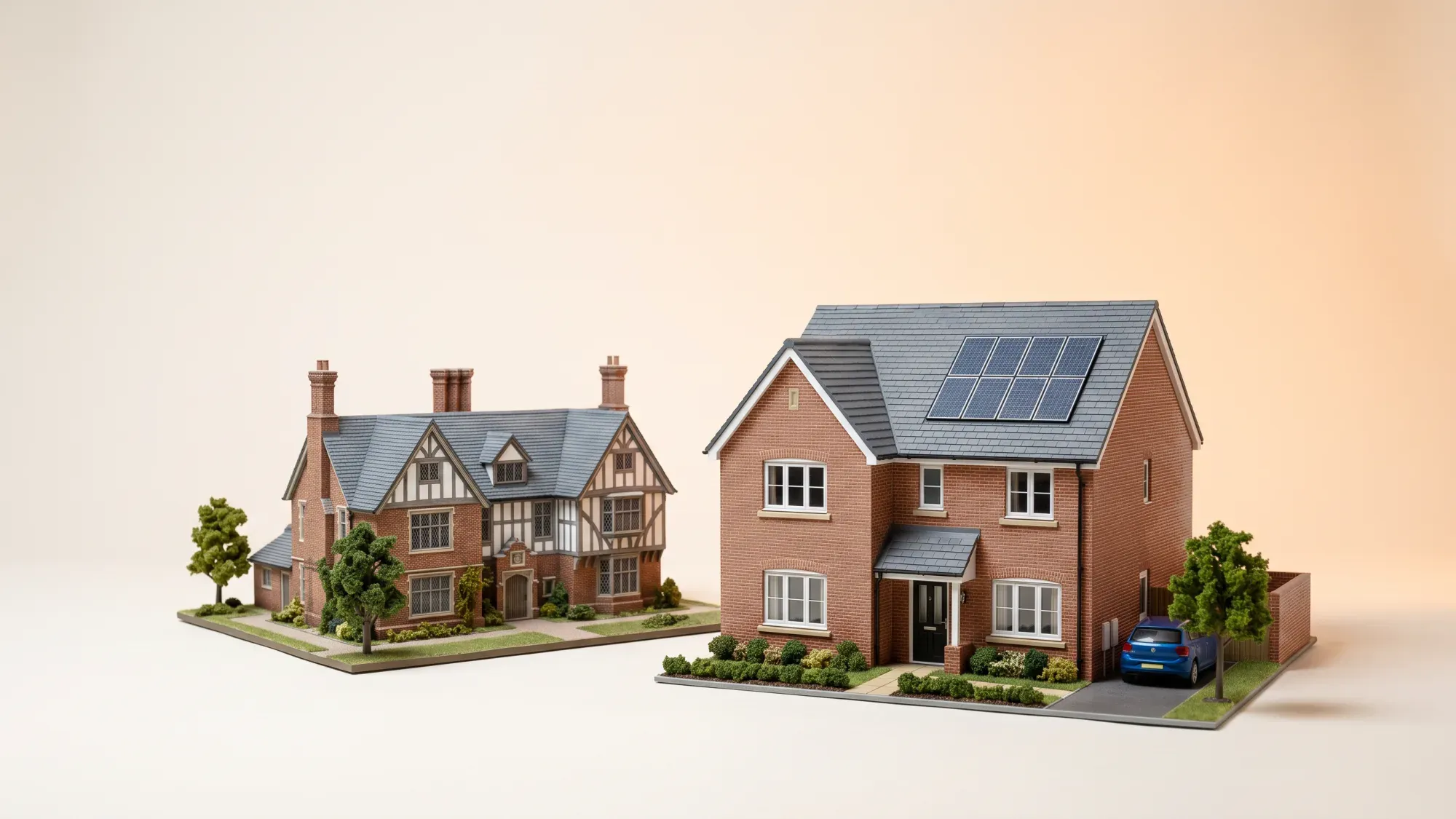
Sutton, a vibrant borough in South London, offers its homeowners a compelling opportunity to achieve energy independence through solar panel installation. With its characteristic mix of Victorian, inter-war, and modern suburban homes, properties across Sutton are well-suited to harness the abundant sunlight of Southern England, transforming them into hubs of clean energy generation. Installing solar panels is a strategic "power play" for residents, enabling them to take control of their energy costs, enhance home value, and contribute to a sustainable future, aligning with a vision of energy abundance and control.
Why consider solar panels for your Sutton home?
Reducing energy bills in Sutton
Installing solar panels significantly reduces reliance on grid electricity, directly lowering your monthly energy bills. For Sutton residents, this is particularly relevant as the borough falls within the "London" electricity distribution region for Ofgem's price cap. This regional cap influences the unit rates and standing charges applied to your electricity, making any reduction in consumption directly impactful on your outgoings. Generating your own electricity means less energy purchased at these regulated rates.
Enhancing home value and energy independence
Beyond immediate savings, solar panels add tangible value to your property. Homes with solar installations are increasingly attractive to buyers, often commanding higher resale prices. Furthermore, solar panels offer a pathway to greater energy independence. By generating your own power, you become less susceptible to fluctuating energy prices and geopolitical events that can impact the grid, giving you more "power to play with" in managing your household budget.
Sutton's solar advantage: sunlight and savings
Southern England, including Sutton, benefits from some of the UK's highest annual sunlight hours. This geographical advantage optimises the payback period for solar panel investments, meaning your system can generate more electricity and deliver financial returns faster than in less sunny regions. Even during overcast days, modern solar panels efficiently convert diffuse daylight into usable electricity, ensuring consistent generation throughout the year. If you're wondering if solar panels work on cloudy days, the answer is yes.
Local considerations for solar installation in Sutton
Understanding Sutton's electricity region and DNO
For Sutton homeowners, understanding the local energy infrastructure is crucial. Sutton is located in the "London" electricity distribution region. The local Distribution Network Operator (DNO) responsible for maintaining the electricity grid in Sutton is UK Power Networks. In the event of a power cut, Sutton residents should dial the free national number 105, which will route them directly to UK Power Networks for assistance.
Planning permission and local regulations
Generally, installing solar panels on residential properties in Sutton falls under Permitted Development Rights, meaning you typically will not need to apply for full planning permission. However, specific rules apply if your property is located within a conservation area, is a listed building, or has other local restrictions. It is always advisable to check with the London Borough of Sutton Council's planning department before installation to ensure compliance with any local regulations.
Navigating the G98/G99 process with UK Power Networks
Any new grid connection for solar panels or battery storage in Sutton requires notification to UK Power Networks, the local DNO. This process is known as G98/G99 notification. Your chosen solar installer will typically handle this on your behalf, submitting the necessary paperwork to ensure your system is safely and legally connected to the grid. This step is vital for compliance and to ensure your system operates correctly within the local network.
What is the G98/G99 process?
The G98/G99 process is a regulatory framework in the UK for connecting small-scale (G98) and larger (G99) electricity generators, like solar panels and battery storage, to the National Grid. It ensures that new installations are safely integrated with the local distribution network, preventing issues and maintaining grid stability. Your installer manages this notification with UK Power Networks.
The solar panel installation process: a step-by-step guide
Initial assessment and system design
The journey to solar energy begins with a comprehensive assessment of your home's suitability. This involves evaluating your roof's size, orientation, and angle, as well as shading from nearby trees or buildings. An installer will also consider your household's energy consumption patterns to design a system that meets your needs, potentially including battery storage to maximise self-consumption.
Choosing an MCS-certified installer
Selecting the right installer is paramount. For homeowners in Sutton, it is crucial to choose an installer that is certified by the Microgeneration Certification Scheme (MCS). MCS certification ensures that your solar panels are installed to the highest industry standards for safety and performance. Crucially, MCS certification is a mandatory requirement for you to qualify for government incentives such as the Smart Export Guarantee (SEG)1.
Installation and grid connection
Once the system design is finalised and all necessary permissions (if any) and notifications (like G98/G99) are in place, the physical installation can begin. This typically involves mounting the panels on your roof, installing the inverter, and connecting the system to your home's electrical supply and the National Grid. Professional installers ensure minimal disruption and a swift, efficient process. You can learn more about the overall solar panel installation process.
Costs, grants, and incentives for Sutton homeowners
Current solar panel costs in Sutton
The solar panel installation cost in Sutton varies depending on factors such as system size, panel type, and whether battery storage is included. While an upfront investment is required, the long-term savings on energy bills and potential earnings from exporting surplus electricity make it a financially sound decision. Obtaining multiple quotes from MCS-certified installers will help you understand the specific costs for your property.
The 0% VAT rate and Smart Export Guarantee
Homeowners in Sutton can benefit from significant government incentives. A 0% VAT rate applies to the installation of solar panels and battery storage for residential properties across Great Britain. This tax relief was introduced in April 2022 and is set to last until 31 March 2027, when it is due to increase to 5%. This makes now an opportune time to invest. Additionally, the SEG mandates larger licensed energy suppliers to pay you for any surplus solar electricity you export back to the grid. This provides an additional revenue stream, further improving the financial viability of your solar investment. You will need to know how to take an export meter reading guide to get paid correctly.
Maximising savings with battery storage
To truly maximise the benefits of your solar panel system, consider integrating battery storage. Batteries allow you to store excess electricity generated during the day and use it during the evening or at night, reducing your reliance on grid electricity even further. This increases your self-consumption, minimises the amount of electricity you need to buy, and enhances your energy independence.
Choosing the right solar panel installer in Sutton
Importance of MCS certification
As highlighted, MCS certification is not just a mark of quality; it is a gateway to financial incentives. An MCS-certified installer guarantees that your system meets rigorous standards, ensuring safety, efficiency, and eligibility for schemes like the SEG. Always verify an installer's MCS accreditation before committing to any work.
Local expertise and customer reviews
When selecting a solar panel installer in Sutton, prioritising local expertise can be beneficial. Local installers often have a better understanding of specific planning requirements, local grid conditions (like UK Power Networks' processes), and typical housing stock in the area. Checking customer reviews and testimonials from other Sutton residents can provide valuable insights into an installer's reliability and service quality.
What to ask your solar panel installer
Before making a decision, prepare a list of questions for potential installers. These might include:
- Are you MCS certified?
- Can you provide references from previous installations in Sutton?
- What is the estimated payback period for my specific property?
- How do you handle DNO notification (G98/G99 process) with UK Power Networks?
- What warranties do you offer on the panels, inverter, and installation?
- Do you offer battery storage solutions, and how do they integrate with the solar system?
By asking these questions, Sutton homeowners can make an informed decision, ensuring a successful solar panel installation that delivers long-term energy savings and independence.
References
- Apex Dome. Smart Export Guarantee (SEG) Explained.
Disclaimer
For the avoidance of doubt, this article is provided for informational purposes only and is not intended to constitute legal or financial advice. The author and/or Fuse Energy shall not be responsible for any losses arising out of any reliance on the information contained herein.