Solar panel installation in the South West
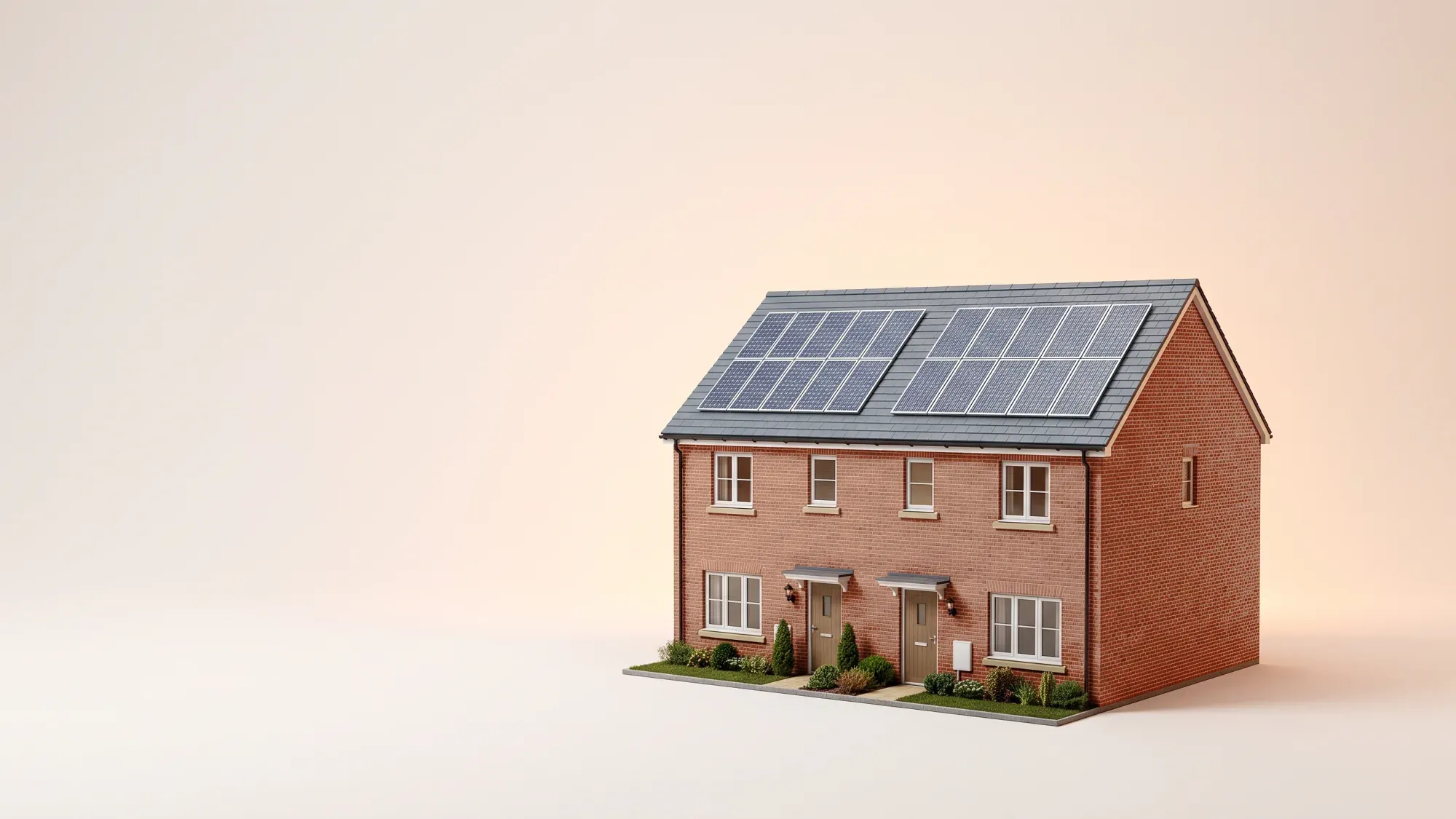
Installing solar panels in the South West of England offers homeowners a clear path to energy independence and reduced bills. This region, known for its diverse landscapes from the rugged Cornish coast to the rolling hills of Somerset, experiences a unique blend of weather patterns and housing characteristics that make solar a particularly smart investment. With a significant proportion of detached homes (29.6%) in the South West and a climate that benefits from moderate temperatures and long daylight hours, solar panels perform efficiently here, even on cloudy days.
Why solar panels make sense for South West homes
For homeowners across the South West, embracing solar energy is about more than just technology; it is a strategic move towards greater control over household expenses and a more resilient energy future.
The South West's unique energy landscape
The cost of your energy is not uniform across the UK; it is shaped by your regional distribution network. In the South West, energy unit rates and standing charges are set per distribution region under Ofgem's price cap. This means your bills directly depend on the local network's operational costs. A typical dual-fuel household in Great Britain paid around £1,641 a year under the Ofgem cap for April–June 2026. This regional variation highlights why local energy solutions are so impactful.
Beyond costs, energy independence offers practical benefits. Should you experience a power cut, residents in the South West can report it on the free national number 105, which routes directly to their local network operator. Generating your own power reduces reliance on the grid, offering peace of mind, especially in more rural areas of the South West.
Beyond bills: energy independence and control
While reducing energy bills is a primary motivator, the true value of solar panels for South West homeowners extends to energy independence and control. By generating your own electricity, you lessen your vulnerability to fluctuating energy prices and external market forces. This shift empowers you to manage your home's energy consumption actively, rather than passively accepting your supplier's rates. It is about having "power to play with" - the ability to store surplus energy, use it when you need it most, and even export it back to the grid for payment.
Understanding solar performance in the South West
The South West's climate is surprisingly well-suited for solar power, challenging common misconceptions about solar efficiency in the UK.
Diffuse daylight and year-round generation
Contrary to the belief that solar panels only work on bright, sunny days, UK solar panels generate electricity from diffuse daylight year-round, not solely from direct sunlight. This means that even on overcast days, which are common across the South West, your panels will still be producing power, typically between 10% and 25% of their maximum output on heavily overcast days, and 50-70% with light cloud cover. The region benefits from long daylight hours, particularly in summer, contributing to significant annual solar energy production. You can learn more about how solar panels perform in various conditions by reading our article on do solar panels work on cloudy days.
Do solar panels work well in the South West of England?
Yes, solar panels perform very well in the South West. The region benefits from moderate temperatures and long daylight hours, which are ideal for solar panel efficiency. Even on cloudy days, diffuse daylight allows panels to generate electricity year-round, making it a strong investment for homeowners.
Optimising for South West roofs: orientation and shading
To maximise your solar investment in the South West, careful consideration of your home's roof is essential. Factors such as orientation, pitch, and potential shading from trees or neighbouring buildings all influence system performance. While South-facing roofs are generally ideal, east and West-facing roofs can also be highly effective, providing generation throughout the morning and afternoon respectively. Given the South West's varied housing stock, from traditional cottages to modern builds, a professional assessment will identify the optimal placement for your panels.
Financial benefits and incentives for South West solar
Several financial incentives make installing solar panels in the South West more accessible and cost-effective.
0% VAT on solar and battery installation
A significant incentive for homeowners in Great Britain is the 0% VAT relief on solar panel and battery storage installations, which applies until 31 March 2027. This means you pay no VAT on the equipment and labour for qualifying installations. From 1 April 2027, the VAT rate is scheduled to revert to 5%. This temporary relief offers a substantial saving, making the decision to go solar even more attractive in the short term. For more details on the financial aspects, explore our guide on solar panel installation cost.
Smart Export Guarantee (SEG) for surplus energy
The Smart Export Guarantee (SEG) is a UK-wide government-backed scheme that requires larger licensed energy suppliers to pay you for any surplus solar electricity you export to the grid. To qualify for SEG payments, your solar panel system must be installed by an MCS-certified installer, and you will typically need a smart meter capable of providing half-hourly export readings. This scheme ensures you are compensated for the clean energy your home contributes to the National Grid, adding another financial benefit to your solar investment. Understanding how to submit these readings is key; our export meter reading guide can help.
Regional electricity network charges and your bills
As mentioned, regional electricity network charges directly impact your energy bills in the South West. These charges cover the cost of maintaining and upgrading the local infrastructure that delivers power to your home. By generating your own electricity with solar panels, and particularly by storing it with a battery, you reduce the amount of electricity you need to import from the grid, thereby mitigating the impact of these regional charges on your overall energy costs. This local context makes self-sufficiency through solar and battery storage particularly valuable.
The solar panel installation process in the South West
Installing solar panels involves a clear, step-by-step process designed to ensure a safe, efficient, and compliant system.
Finding MCS-certified installers
Choosing an installer with Microgeneration Certification Scheme (MCS) certification is crucial. MCS is a quality assurance scheme for renewable energy installers, ensuring high standards and enabling access to government incentives like the SEG. Without MCS certification, you cannot qualify for SEG payments. Always verify your chosen installer's MCS accreditation before proceeding.
From consultation to connection
The installation process typically begins with an assessment of your home's suitability, considering factors like roof orientation, pitch, and shading. Reputable installers will provide a detailed proposal covering system design, equipment, installation, and commissioning. Once installed, your system will be connected to the grid, allowing you to start generating and potentially exporting electricity.
Integrating battery storage for maximum value
Battery storage significantly enhances the value of solar generation by storing surplus energy for later use, increasing your energy independence. In the UK's variable climate, where generation might not always align with immediate consumption, a battery allows you to power your home with your own stored solar energy during the evenings or on less sunny days. This maximises self-consumption and further reduces reliance on grid electricity.
Choosing the right solar installer in the South West
Selecting the right installer is paramount for a successful solar panel installation in your South West home.
Key questions to ask potential installers
When obtaining quotes, ask about their MCS certification, experience with similar properties in the South West, the brands of panels and inverters they use, warranty details, and their approach to integrating battery storage. A transparent installer will provide clear answers and a comprehensive breakdown of costs and expected performance.
Local expertise and customer support
An installer with local expertise in the South West will understand the specific challenges and opportunities presented by the region's climate and housing types. Beyond installation, reliable customer support is vital. Fuse, for example, offers 24/7 human customer support, providing peace of mind and assistance with your solar installation and ongoing energy management.
Making your South West home energy independent
Achieving true energy independence means more than just generating electricity; it involves smart management and robust storage.
The role of battery storage
Battery storage is a cornerstone of energy independence. It allows you to capture excess solar energy generated during the day and use it at night, reducing your reliance on grid electricity during peak demand times. This not only lowers your bills but also provides a buffer against power outages, enhancing your home's energy resilience.
Managing your energy with smart technology
Modern solar and battery systems integrate with smart technology, giving you real-time control and visibility over your energy. Fuse's all-in-one app, for instance, provides South West homeowners with real-time control and visibility over their solar generation, usage, and battery storage. This empowers you to manage your energy effectively, optimising self-consumption and making informed decisions about when to use, store, or export your power. It is about turning your home into an active participant in the energy system, giving you the capability to make the most of your solar investment.
Disclaimer
For the avoidance of doubt, this article is provided for informational purposes only and is not intended to constitute legal or financial advice. The author and/or Fuse Energy shall not be responsible for any losses arising out of any reliance on the information contained herein.