Solar panel installation for Poole homes
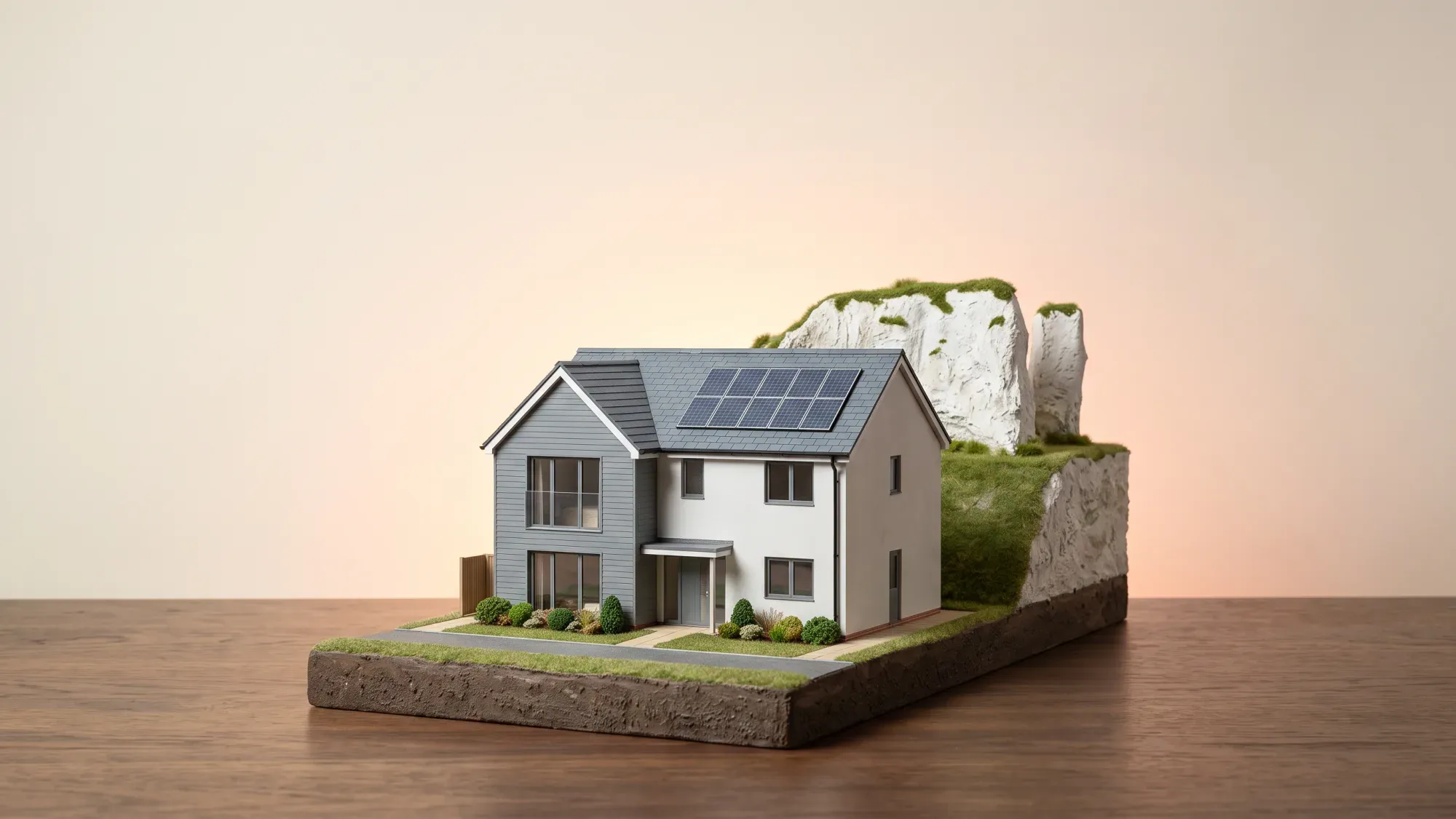
Poole's coastal location in Southern England, with its stunning harbour and sandy beaches, offers an excellent environment for solar panel installation. The region benefits from high annual sunlight hours, making solar panels an effective investment for homeowners seeking to reduce energy bills and gain greater energy independence. Generating your own electricity in Poole provides control over your energy future and contributes to a greener local environment.
Why choose solar panels in Poole?
Installing solar panels in your Poole home is more than just an upgrade; it is a strategic move towards a more sustainable and cost-effective lifestyle.
Achieving energy independence and savings
With solar panels, you generate your own electricity, reducing reliance on grid suppliers and shielding yourself from fluctuating energy prices. According to Ofgem, the typical UK home uses1 around 2,700 kWh of electricity per year^[1,2]. By generating a significant portion of this yourself, you can dramatically cut your monthly outgoings. This shift puts the power back in your hands, offering tangible savings and a sense of control over your household finances. Understanding how solar panels can impact your average monthly electric bill can help you plan your savings.
Contributing to a greener future
Embracing solar power means reducing your carbon footprint. By harnessing the abundant sunshine in Poole, you contribute directly to lowering demand for fossil fuels and supporting the UK's transition to renewable energy. This not only benefits the planet but also enhances the environmental credentials of your home.
Increasing your property value
Homes with solar installations are increasingly attractive to buyers. A well-installed solar system can boost your property's appeal and market value, making it a wise long-term investment. It signals a modern, energy-efficient home that promises lower running costs for future occupants.
Poole's unique solar advantage
Poole's geographical position offers distinct benefits for solar energy generation, alongside specific local energy infrastructure considerations.
Maximising sunlight hours in Southern England
Southern England experiences some of the UK's highest annual sunlight hours, with average annual sunlight ranging between 1,400 and 1,600 hours. This makes Poole an ideal location for solar panels, as the increased exposure to daylight translates into higher electricity generation. Even on cloudy days, solar panels continue to generate useful electricity from diffuse daylight, ensuring consistent performance throughout the year. You can learn more about how solar panels work on cloudy days.
Understanding your local energy network
For homeowners in Poole, your local Distribution Network Operator (DNO) is likely Scottish and Southern Electricity Networks (SSEN). You can confirm your DNO by postcode using the Energy Networks Association (ENA) 'Find my network operator' tool. The DNO is responsible for the local electricity grid, including power lines and substations. If you experience a power cut in Poole, you should dial the free national number 105, which will route you directly to your DNO for assistance. Any new grid connections for solar panels or EV chargers in Poole require notification to your DNO under the G98/G99 process, a procedure typically managed by your installer to ensure compliance and a smooth connection to the network.
Navigating Ofgem's Southern England price cap
Poole is situated within the 'Southern England' electricity distribution region for Ofgem's price cap. This means that the unit rates and daily standing charges for electricity in Poole are set according to this regional cap, which is updated quarterly. Generating your own electricity through solar panels can help mitigate the impact of these regional charges by reducing the amount of power you need to import from the grid.
The solar panel installation process in Poole
Installing solar panels involves several steps, from initial design to final grid connection. Understanding this process ensures a smooth transition to solar power.
Initial consultation and bespoke design
The journey begins with a detailed consultation to assess your home's energy needs, roof suitability, and potential solar generation. A reputable installer will then design a bespoke system tailored to your property, considering factors like roof orientation, shading, and aesthetic preferences. This ensures your system is optimised for maximum efficiency and seamlessly integrates with your home. For more details on the process, see our guide to solar panel installation.
Planning permission with BCP Council
Planning permission for solar panels in Poole is governed by BCP Council. While general permitted development rights often apply to solar installations on residential properties, specific conditions may require full planning permission. For instance, homes in conservation areas or those that are listed buildings might have stricter rules. It is always advisable to consult with BCP Council or your installer to confirm any specific requirements for your property before proceeding.
Do I need planning permission for solar panels in Poole?
Generally, solar panels fall under permitted development rights in Poole, meaning you might not need full planning permission. However, specific conditions, such as your home being in a conservation area or a listed building, may require approval from BCP Council. Always check with your installer or the council for clarity.
Installation and grid connection (G98/G99 process)
Once designs are approved and any necessary permissions secured, the physical installation of your solar panels begins. Following installation, your system needs to be connected to the National Grid. This involves the G98/G99 notification process with your DNO. Your MCS-certified installer will typically handle this on your behalf, ensuring all technical and safety standards are met for a compliant and efficient grid connection.
Financial incentives and support for Poole homeowners
Several financial incentives make investing in solar panels more attractive for homeowners in Poole.
0% VAT on solar and battery storage
A significant incentive is the 0% VAT rate applied to solar panel installations and battery storage across Great Britain. This reduction, in place until 31 March 20273, makes the upfront cost of going solar considerably lower. It is a direct saving that applies to both the supply of materials and the installation costs, providing a clear financial advantage for those acting within this timeframe.
The Smart Export Guarantee (SEG) and MCS certification
The Smart Export Guarantee (SEG) is a UK government scheme that requires licensed electricity suppliers to pay you for any surplus solar electricity you export back to the grid. To qualify for SEG payments, your solar panel installation must be certified under the Microgeneration Certification Scheme (MCS) or an equivalent standard. This certification ensures your system meets rigorous quality and safety standards, giving you access to payments for the clean energy you feed into the network.
Calculating potential savings and payback
With Poole's good annual sunlight hours, the financial payback period for solar panels can be favourable. Your potential savings will depend on your household's electricity consumption, the size and efficiency of your solar system, and the rates you receive for exported electricity under the SEG. A professional installer can provide a detailed projection, helping you understand the long-term financial benefits. You can also explore the overall solar panel installation cost to help with your calculations.
Choosing the right solar panel installer in Poole
Selecting a reliable installer is crucial for a successful solar panel project. It ensures quality, compliance, and peace of mind.
The importance of MCS certification
Always choose an installer with MCS certification. This accreditation is not just a mark of quality; it is a prerequisite for accessing the SEG. An MCS-certified installer adheres to industry-leading standards, ensuring your system is installed correctly and safely, and that you can benefit from government-backed incentives.
Local reputation and customer testimonials
Look for installers with a strong local reputation in Poole and positive customer testimonials. A local company will have a better understanding of regional planning requirements, local energy network specifics, and the unique characteristics of homes in the area. Checking reviews and asking for references can provide valuable insights into their reliability and service quality.
Integrated solutions: solar panels and battery storage
Consider combining solar panels with battery storage. While solar panels generate electricity during the day, battery storage allows you to store excess energy for use during the evening or on less sunny days. This maximises your self-consumption, further reducing your reliance on the grid and enhancing your energy independence. Many installers now offer integrated solutions, and battery storage also benefits from the 0% VAT rate until March 2027. Combining solar with other technologies like air source heat pumps can further enhance your home's energy efficiency.
Your next steps to solar power in Poole
Taking the leap to solar power is a significant decision, but with the right information and support, it can be a rewarding one.
Getting a personalised quote
The best way to start is by obtaining personalised quotes from several MCS-certified solar panel installers operating in the Poole area. This will give you a clear understanding of costs, system options, and projected savings tailored to your specific home. Do not hesitate to ask detailed questions about their experience, certifications, and the products they offer.
What to expect after installation
Once your solar panels are installed and connected, you will begin generating your own clean electricity. You will typically monitor your system's performance through an app, tracking your energy generation, consumption, and export to the grid. With Fuse, you can monitor your system's performance and benefit from 24/7 human customer support, giving you peace of mind and greater control over your energy.
References
Disclaimer
For the avoidance of doubt, this article is provided for informational purposes only and is not intended to constitute legal or financial advice. The author and/or Fuse Energy shall not be responsible for any losses arising out of any reliance on the information contained herein.