Luton solar panel installation explained
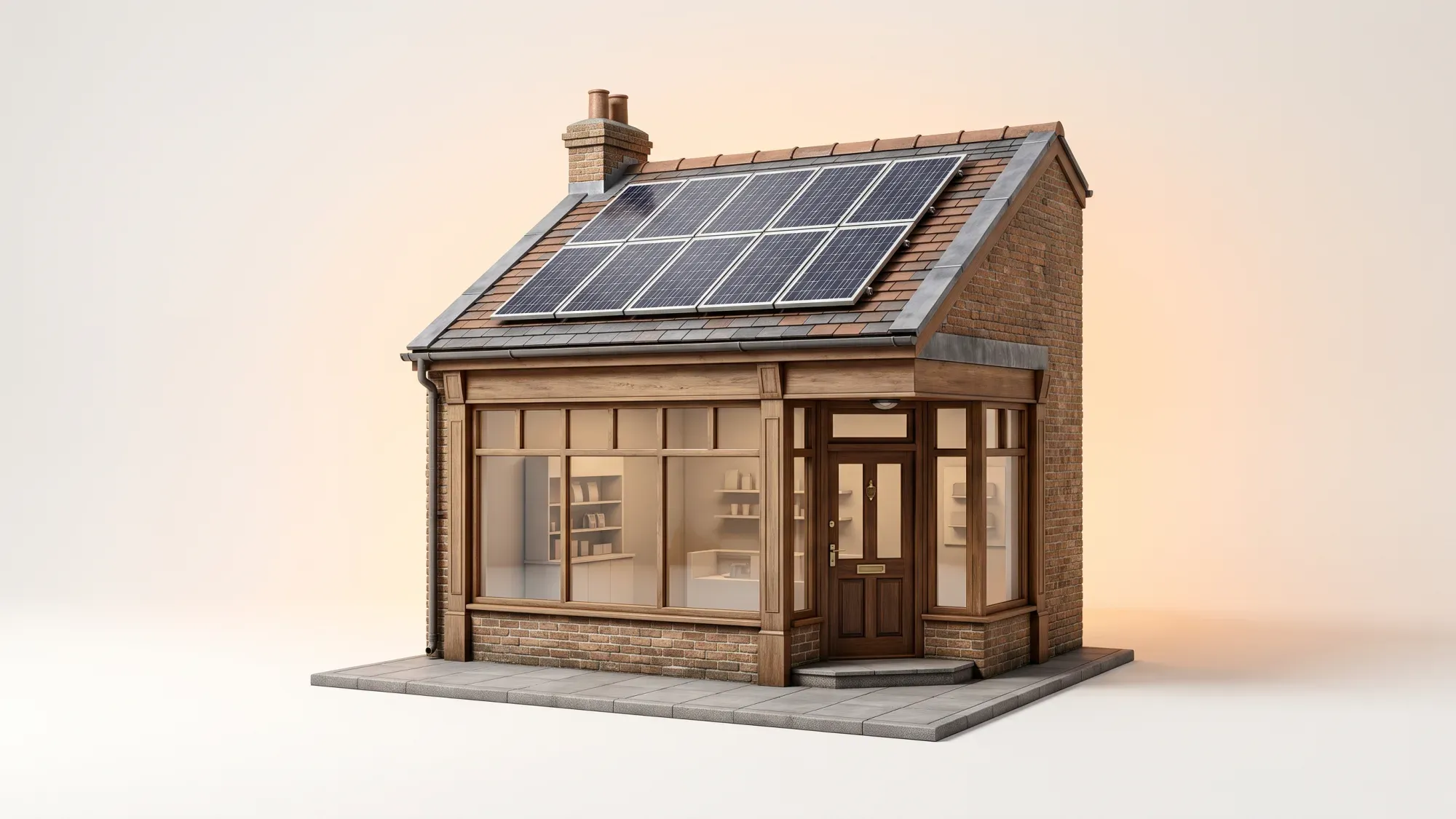
Luton, with its varied housing - from Victorian terraces to modern new-builds - offers a strong opportunity for solar panel installation. Located in the South East of England, the town benefits from ample daylight, making solar panels a viable option for homeowners aiming to cut energy bills and boost energy independence. Making an informed decision about solar energy for your Luton home is key to a sustainable future.
Why consider solar panels for your Luton home?
Installing solar panels is a significant home upgrade that offers multiple benefits, particularly for homeowners in Luton. It is a move towards greater control over your energy supply and a more sustainable lifestyle.
Reducing energy bills
Generating your own electricity means buying less from the grid, directly lowering your monthly energy bills. With rising energy costs, this can lead to substantial long-term savings. Any surplus electricity you generate can also be sold back to the grid, providing an additional income stream. You can learn how to ensure you are paid correctly for this with an export meter reading guide.
Boosting energy independence
Solar panels empower you with greater control over your energy supply, reducing reliance on external energy markets and their fluctuating prices. This increased energy independence aligns with Fuse Energy's vision of a future with "power to play with," where energy is abundant and less of a concern.
Environmental benefits
Solar energy is a clean, renewable source that produces no carbon emissions during operation. By installing solar panels, you contribute to reducing your household's carbon footprint and supporting the UK's transition to a greener energy system.
Solar in Luton: local context and considerations
Understanding the local specifics of Luton's energy infrastructure and climate is crucial for a successful solar panel installation.
Luton's climate and housing stock
Despite common misconceptions, UK solar panels generate effectively on diffuse daylight, not just direct sunlight, meaning they produce electricity year-round. Luton's housing stock, with its mix of roof types and orientations, presents various opportunities for solar photovoltaic (PV) systems. Optimising roof orientation, managing shading from nearby trees or buildings, and considering battery storage will significantly enhance your system's performance and financial payback. If you are wondering, do solar panels work on cloudy days? The answer is yes.
Your local electricity network
For Luton residents, UK Power Networks is the Distribution Network Operator (DNO), responsible for managing the local electricity grid infrastructure. Any new home solar or battery system that connects to the grid will involve the DNO. Your chosen installer typically handles this application, ensuring your system is safely and correctly integrated into the local network. In the event of a power cut, residents should dial the free national number 105, which routes directly to their local DNO. You can find your specific DNO by entering your postcode on the Energy Networks Association (ENA) website.
Understanding regional electricity pricing
Luton falls within the "Eastern" electricity distribution region for Ofgem's energy price cap. This means the unit rates and daily standing charges you pay for electricity can differ from other regions in Great Britain. The price cap is updated quarterly, influencing the financial savings you can achieve by generating your own power.
The solar panel installation process in Luton
Installing solar panels involves several key stages, from initial assessment to final commissioning. Knowing what to expect can help you navigate the process smoothly.
Initial assessment and design
The first step is to assess your home's suitability for solar panels. This involves evaluating your roof's orientation, pitch, and any potential shading issues. An installer will also consider your current energy consumption to design a system that meets your needs and maximises your savings.
Permitting and grid connection (G98/G99)
Once a design is agreed upon, your installer will manage the necessary paperwork. This includes planning permissions if required (most domestic solar installations are permitted development) and, crucially, the grid connection application. For Luton, this means submitting a G98 or G99 application to UK Power Networks, which ensures your system complies with local grid regulations.
What is the G98/G99 process?
The G98/G99 process is a regulatory framework for connecting small-scale (G98) or larger (G99) electricity generators, like solar panels, to the UK's distribution network1. It ensures new installations are safe and do not negatively impact the grid, with the DNO managing this for your area.
Installation and commissioning
After approvals, the physical installation of the solar panels and any battery storage begins. This typically takes a few days, depending on the system's size and complexity. Once installed, the system is commissioned, tested, and connected to the grid, ready to start generating electricity.
Costs, incentives, and payback for Luton homeowners
The financial aspects of solar panel installation are often a primary concern for homeowners. Fortunately, several incentives can make solar energy more affordable and improve its financial viability. For more details, you can explore the solar panel installation cost.
0% VAT on solar and batteries
A significant incentive for homeowners in Great Britain is the 0% VAT relief on residential solar panel and battery storage installations^[2,3], which applies until 31 March 2027. This directly reduces the upfront cost of your system, making solar energy more accessible. After this date, the VAT rate is expected to rise to 5%4.
Smart Export Guarantee (SEG)
The Smart Export Guarantee (SEG) is a UK-wide government-backed scheme that requires larger licensed energy suppliers to pay homeowners for any surplus solar electricity they export to the grid5. To qualify for SEG payments, your solar panel installation must be carried out by an MCS-certified installer6.
Maximising your return with battery storage
Integrating battery storage with your solar panels can significantly enhance your system's financial payback. In the UK's diffuse daylight conditions, batteries allow you to store excess electricity generated during the day and use it later, reducing your reliance on grid electricity during peak demand times and increasing your self-consumption. This optimisation helps you get the most out of your investment.
Choosing the right solar installer in Luton
Selecting a reliable and competent solar installer is paramount to the success and longevity of your solar energy system.
The importance of MCS certification
Always choose an MCS-certified installer for your solar panel installation in Luton. MCS certification is a nationally recognised quality assurance scheme that ensures installers meet high standards of workmanship and product quality. Crucially, MCS certification is a mandatory requirement for homeowners to be eligible for SEG payments.
Local expertise and reputation
An installer with local expertise in Luton will be familiar with the area's housing types, common roof structures, and specific requirements from UK Power Networks. Look for installers with a strong local reputation, positive customer reviews, and a proven track record of successful installations in the Luton area.
Getting multiple quotes
Obtaining multiple quotes from different MCS-certified installers allows you to compare system designs, costs, and warranties. This ensures you get a competitive price and a solution tailored to your home's specific needs, helping you make an informed decision about your solar panel installation in Luton.
Fuse Energy is committed to making clean, abundant energy accessible. We offer home solar installation, handling everything from planning approvals and paperwork to installation and final checks. Our MCS and TrustMark certifications mean you can trust in the quality and reliability of our service. Take the next step towards energy independence and a greener home.
References
- UK Government. How to register energy devices in homes or small businesses
- Solartherm UK. Is There VAT on Solar Panels in the UK?.
- UK Government. Energy-saving materials and heating equipment (VAT Notice 708/6)
- E-Verve Energy. VAT on Solar Panels in the UK - What do you pay?.
- Renewable Energy Hub. The Smart Export Guarantee (SEG) UK.
- New Economics Foundation. Smart Export Guarantee: what you need to know.
Disclaimer
For the avoidance of doubt, this article is provided for informational purposes only and is not intended to constitute legal or financial advice. The author and/or Fuse Energy shall not be responsible for any losses arising out of any reliance on the information contained herein.