Solar panel installation Ipswich
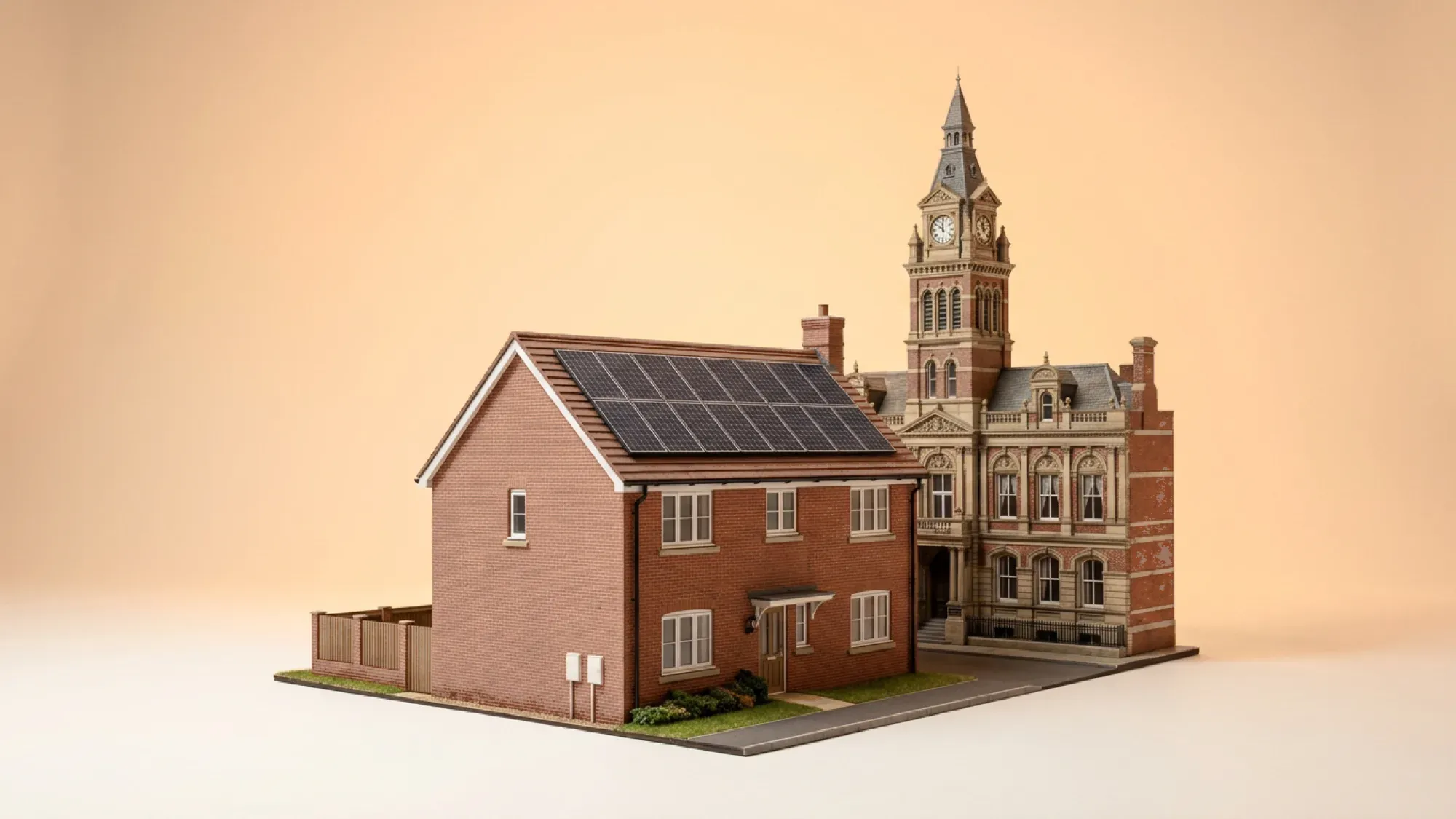
Ipswich, with its diverse housing stock, offers a unique opportunity for homeowners to embrace solar energy. Installing solar panels is a strategic move, allowing you to reduce energy bills, increase property value, and gain greater control over your home's energy future. This guide provides Ipswich-specific insights into making the switch to solar.
Why consider solar panels in Ipswich?
Installing solar panels in Ipswich offers more than just environmental benefits; it is a practical investment that addresses rising energy costs and boosts your home's appeal.
Reducing energy bills in the Eastern region
Great Britain is divided into 14 distinct electricity distribution regions, and Ofgem's price cap sets different unit rates and standing charges for each of these regions. Ipswich falls within the Eastern electricity distribution region. By generating your own electricity, you can significantly reduce reliance on grid power, especially during peak times, and mitigate the impact of these regional price fluctuations. This means more money stays in your pocket each quarter.
Enhancing property value
A home equipped with solar panels and battery storage is often more attractive to potential buyers. It signals lower running costs and a modern, energy-efficient property, which can command a higher market value in Ipswich's competitive housing market.
Environmental benefits
Beyond the financial gains, installing solar panels contributes to a greener Ipswich. You will reduce your household's carbon footprint by using clean, renewable energy, helping the UK move towards its net-zero targets.
Understanding solar panel costs in Ipswich
The cost of a solar panel system in Ipswich varies, but understanding the factors involved and the local energy landscape can help you budget effectively. For a detailed breakdown of potential expenses, you might want to read our guide on solar panel installation cost.
Factors influencing installation price
Key factors affecting the overall cost include the size of your system (number of panels), the type of panels chosen, the complexity of the roof installation, and whether you opt for battery storage. Ipswich's varied housing stock, from period properties to new builds, means installation specifics can differ greatly.
Regional price cap and UK Power Networks
Your energy savings are directly tied to the cost of electricity you do not buy from the grid. As Ipswich falls under the Eastern electricity distribution region, the unit rates and standing charges set by Ofgem's price cap are relevant to your potential savings. The local Distribution Network Operator (DNO) for the Eastern region, which includes Ipswich, is UK Power Networks. Understanding these local specifics helps calculate your payback period more accurately. You can find your specific DNO using the Energy Networks Association's postcode lookup tool.
The role of battery storage in maximising savings
Integrating battery storage with your solar panels is a smart move for Ipswich homeowners. It allows you to store surplus electricity generated during the day and use it when the sun is not shining, such as in the evenings or on cloudy days. This significantly enhances self-consumption, reducing reliance on the grid and maximising your savings.
How do solar panels work in the UK's climate?
UK solar panels effectively generate electricity from diffuse daylight year-round, not solely direct sunlight. While output is higher on bright, sunny days, systems still produce power on overcast days. Optimal payback is driven by system orientation, shading, and the integration of battery storage to capture all generated energy.
Navigating the installation process locally
Installing solar panels involves several steps, with local considerations specific to Ipswich and Suffolk. For a comprehensive overview of the process, explore our guide on solar panel installation.
Planning permission in Suffolk
For most residential properties in Suffolk, installing solar panels falls under permitted development rights, meaning you generally will not need full planning permission. However, specific regulations apply to listed buildings or properties located within conservation areas, especially if panels are visible from a public highway. Always check with your local planning authority before proceeding to ensure compliance.
Connecting to the grid: UK Power Networks (G98/G99)
Any new solar panel and battery storage grid connection must be notified to your local DNO, such as UK Power Networks in the Eastern region, under the G98 or G99 process1. These are UK grid connection standards that define the rules for connecting small-scale energy equipment to the electricity distribution network. G98 applies to smaller systems (typically up to 3.68kW per phase) and involves notification after installation, while G99 is for larger systems and usually requires pre-approval. This is typically handled by your chosen installer, who will ensure all necessary paperwork and technical requirements are met for a smooth and safe connection to the electricity grid.
How solar panels work year-round in Ipswich's climate
Despite common misconceptions, solar panels in the UK are highly effective. They generate electricity from diffuse daylight year-round, not just direct sunlight. While summer months naturally yield more power, your system will still contribute significantly during shorter, cloudier winter days. Factors like system orientation (south-facing is ideal), minimal shading, and the use of battery storage are key to optimising performance and ensuring a strong return on investment in Ipswich's climate. You can learn more about this in our article, do solar panels work on cloudy days.
Grants and incentives for Ipswich homeowners
Several government-backed schemes make solar panel installation more affordable for Ipswich residents.
0% VAT on solar and battery storage
A significant incentive is the 0% VAT rate applied to the installation of solar panels and battery storage systems in Great Britain2. This measure is in place until 31 March 2027, making it an opportune time for Ipswich homeowners to invest in renewable energy and save on upfront costs.
Smart Export Guarantee (SEG) explained
The Smart Export Guarantee (SEG) is a UK-wide scheme that requires larger licensed energy suppliers to pay homeowners for any surplus solar electricity they export back to the grid. This means you can earn money for the energy your panels generate but your home does not use, further improving your system's financial viability.
The importance of MCS certification
To be eligible for the SEG, your solar panel system must be installed by an MCS-certified installer. MCS (Microgeneration Certification Scheme) is the UK's national quality assurance scheme for small-scale renewable energy technologies, certifying both products and installers to high standards of quality, safety, and performance. Without it, you cannot access SEG payments, making it a crucial factor when choosing a provider in Ipswich.
Choosing the best solar panel installer in Ipswich
Selecting the right installer is paramount for a successful and reliable solar panel system.
Vetting local MCS-certified providers
Always prioritise MCS-certified installers operating in the Ipswich area. This certification is your assurance of quality and eligibility for government incentives. Ask for proof of their certification and check their registration on the MCS website.
Questions to ask potential installers
When obtaining quotes, ask about their experience with similar properties in Ipswich, the specific panel and inverter brands they use, warranty details, and their process for handling planning permission and DNO notifications (like the G98/G99 process with UK Power Networks). Do not hesitate to request references from previous customers.
Understanding warranties and aftercare
A reputable installer will offer comprehensive warranties on both the solar panels (typically 20-25 years for performance) and the installation work itself (usually 5-10 years). Clarify what aftercare services are provided, such as monitoring system performance and addressing any issues that may arise.
Making the power play: your solar future
Installing solar panels in Ipswich is more than just an upgrade; it is a strategic "power play" for greater energy independence and financial control. By understanding the local context, from UK Power Networks to the regional price cap, and leveraging available incentives, you can make an informed decision that benefits your home and the environment. Take control of your energy future and join the growing number of Ipswich homeowners embracing the power of the sun.
References
- UK Government. How to register energy devices in homes or small businesses
- UK Government. VAT on energy saving materials and heating equipment
Disclaimer
For the avoidance of doubt, this article is provided for informational purposes only and is not intended to constitute legal or financial advice. The author and/or Fuse Energy shall not be responsible for any losses arising out of any reliance on the information contained herein.