Maximising solar panel installation in Inverness
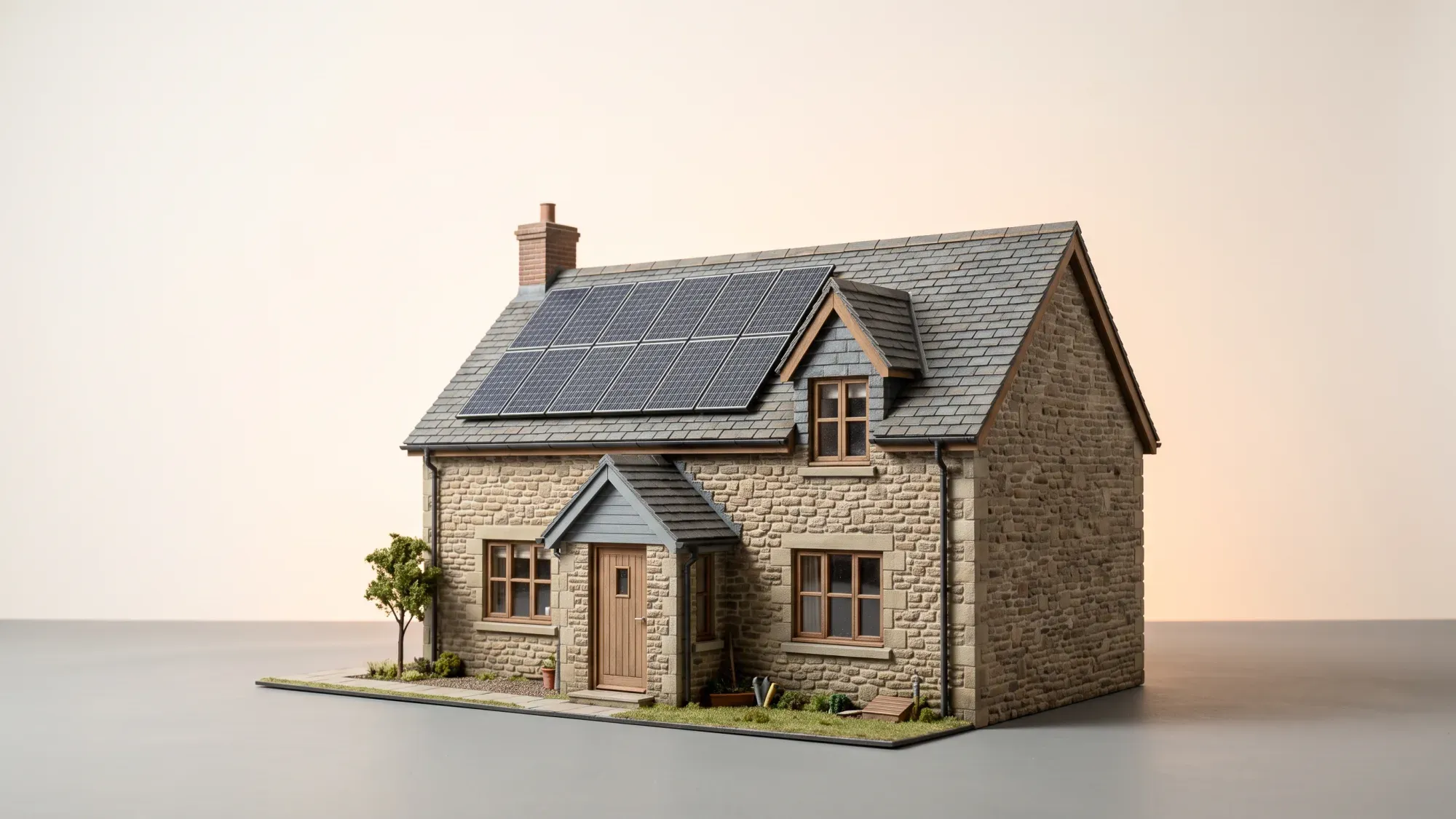
For homeowners in Inverness, solar panel installation offers a compelling path to energy independence. While the northern latitude means fewer annual sunlight hours compared to the south, Solar PV systems remain a powerful investment, particularly when combined with smart battery storage. In Inverness, where Scottish and Southern Electricity Networks (SSEN) manages the grid, a smart solar setup helps you take control of your energy future.
Why consider solar panels for your Inverness home?
Installing solar panels on your Inverness home offers a tangible path to reducing household expenses and contributing to a more sustainable future. Beyond the environmental benefits, the financial advantages and increased energy autonomy are significant, particularly given local energy market dynamics.
Reducing energy bills in the northern Scotland price cap region
Inverness sits within the "Northern Scotland" electricity distribution region, a specific zone for Ofgem's price cap calculations. This means that local unit rates and standing charges for electricity can differ from other regions across Great Britain. Generating your own electricity through solar panels directly offsets the power you would otherwise buy from the grid, reducing your exposure to these regional price variations and quarterly cap adjustments. Understanding your energy consumption is key to maximising these savings, and you can learn more about how solar panels affect your average monthly electric bill with solar panels.
Enhancing energy independence with battery storage
The ability to store the solar energy you generate is a game-changer for energy independence. With a battery storage system, surplus electricity produced during the day can be saved and used during the evening or on cloudy days, rather than being automatically exported to the grid. This maximises your self-consumption, lessening your reliance on grid electricity and providing a buffer against some types of power outages, depending on your system's configuration.
Contributing to a greener Highlands
Choosing solar power for your home directly supports Scotland's renewable energy targets1 and helps to reduce your carbon footprint. Scotland aims to generate the equivalent of 50% of its overall energy consumption from renewable sources by 2030, and to have almost completely decarbonised its energy system by 20502. The Highlands, with its natural beauty, stands to benefit significantly from cleaner energy sources, preserving the environment for future generations. It's a practical step towards a more sustainable lifestyle and a greener local community.
Understanding solar performance in northern Scotland
While northern parts of the UK experience fewer annual sunlight hours compared to the south, Solar PV systems remain a worthwhile investment in Inverness. The key lies in optimising your system for these specific conditions.
Maximising efficiency with correct roof orientation
For homes in Inverness, correct roof orientation is even more critical for optimising solar performance. South-facing roofs are generally ideal, but east and west-facing roofs can also be highly effective, especially when paired with battery storage to capture morning and afternoon generation. An experienced installer will assess your roof's angle, pitch, and any potential shading to design a system that maximises energy capture throughout the day.
The crucial role of battery storage
Battery storage is not just an optional extra in Northern Scotland; it's a crucial component for maximising the value of your Solar PV system. By storing excess daytime generation, you can power your home when the sun is not shining, significantly increasing your self-sufficiency and reducing the amount of electricity you need to import from the grid. This is especially beneficial during periods of lower sunlight.
Why is battery storage important for solar in Inverness?
In Inverness, which experiences fewer annual sunlight hours, battery storage is crucial for maximising Solar PV system efficiency. It allows homeowners to store surplus electricity generated during daylight hours and use it later, reducing reliance on grid power and optimising self-consumption, particularly during evenings or cloudy periods.
Solar PV and Inverness's daylight hours
Solar PV panels are designed to generate electricity not just from direct sunlight, but also from diffuse daylight. This means that even on overcast days, common in northern climates, your panels will still produce power. While the total annual output might be lower than in sunnier regions, the consistent generation from daylight, combined with smart energy management and battery storage, ensures solar remains a viable and valuable energy solution for Inverness homes. For more details, you can explore whether do solar panels work on cloudy days.
Local energy infrastructure: SSEN and grid connections
Understanding the local energy infrastructure is vital for any homeowner considering solar panel installation in Inverness. Your local distribution network operator (DNO) plays a key role in connecting your system to the grid.
Scottish and Southern electricity Networks (SSEN) explained
The local distribution network operator (DNO) for Inverness is SSEN. SSEN is responsible for maintaining the electricity grid in the region, managing power cuts, and facilitating new connections, including those for Solar PV systems. If you experience a power cut in Inverness, you would typically dial the free national number 105, which routes directly to SSEN.
Navigating the G98/G99 process for solar installations
Connecting a new Solar PV system and battery storage to the National Grid requires a formal application process known as G98 or G99, depending on the system's size. This process involves notifying your local DNO, SSEN, of your intention to connect. Reputable solar installers in Inverness will typically handle this entire grid connection application on your behalf, ensuring all regulatory requirements are met and your system can legally and safely export power to the grid.
Financial support for solar in Inverness
Investing in solar panels is made more accessible through various financial incentives and support schemes available to Scottish homeowners. These can significantly reduce the upfront cost and improve the long-term return on investment.
Home Energy Scotland interest-free loan
Scottish homeowners can benefit from the Home Energy Scotland interest-free loan, designed to support the installation of renewable energy systems, including solar panels and battery storage. This loan can cover a substantial portion of the installation costs, making solar energy more affordable. Crucially, your chosen installer and the product must be certified under the Microgeneration Certification Scheme (MCS) for you to be eligible for this loan.
The Smart Export Guarantee (SEG)
The Smart Export Guarantee (SEG) is a UK-wide scheme that mandates larger licensed energy suppliers to pay homeowners for any surplus solar electricity they export back to the grid^[3,4]. This means that even after optimising your self-consumption with battery storage, any excess energy you generate can still earn you an income, further enhancing the financial viability of your solar investment. Eligibility for the SEG requires your installer to be MCS-certified and your system to have a capacity of 5MW or less (50kW for micro-CHP).
0% VAT on solar and battery installations
Across Great Britain, a temporary 0% VAT rate applies to the installation of solar panels and battery storage systems. This measure is currently set to expire on 31 March 2027^[5,6], offering a significant saving on the overall cost of your installation if completed within this timeframe. From 1 April 2027, the VAT rate is set to revert to 5% for qualifying installations. This reduction makes now an opportune time for Inverness homeowners to consider going solar. You can also investigate the overall solar panel installation cost to help with your planning.
Choosing an MCS-certified solar installer in Inverness
Selecting the right installer is paramount to a successful solar panel installation. For Inverness residents, focusing on MCS-certified local specialists is key to ensuring quality and accessing financial incentives.
Why MCS certification matters
MCS certification is a quality assurance standard for renewable energy technologies and installers. For homeowners, choosing an MCS-certified installer is not just about quality; it's a requirement to qualify for crucial financial incentives like the SEG and the Home Energy Scotland interest-free loan. Without MCS certification, you could miss out on significant financial support.
Key questions to ask potential installers
When obtaining quotes from solar installers in Inverness, ask specific questions to ensure you're making an informed decision:
- Are you MCS-certified, and can you provide proof?
- What experience do you have with installations in Northern Scotland's climate?
- Will you handle the G98/G99 grid connection application with SSEN on my behalf?
- What battery storage options do you recommend for my home, and why?
- Can you provide references from local customers?
- What warranties do you offer on the panels, inverter, battery, and workmanship?
Understanding quotes and warranties
A comprehensive quote should detail all costs, including equipment, installation, and any associated fees like scaffolding or grid connection applications. Pay close attention to the warranties offered. Panels typically come with a 20-25 year performance warranty, while inverters and batteries might have shorter guarantees. Ensure you understand what is covered and for how long, providing peace of mind for your investment.
The solar panel installation process in Inverness
Installing solar panels is a multi-step process, from initial assessment to final commissioning. Knowing what to expect can help you prepare for the transition to generating your own clean energy.
Initial assessment and site survey
The process begins with an initial assessment of your home's suitability for solar panels. An installer will conduct a site survey to evaluate your roof's condition, orientation, pitch, and any potential shading issues. They will also consider your current energy consumption to recommend a system size that best meets your needs.
Design and planning your solar system
Based on the survey, your installer will design a bespoke Solar PV system, including the number and type of panels, inverter, and battery storage capacity. This design will be tailored to maximise energy generation given Inverness's specific climate conditions and your household's energy demands. They will also plan the electrical integration with your home and the grid.
Installation and commissioning
Once the design is approved and necessary permissions are in place, the physical installation begins. This typically involves mounting the panels on your roof, installing the inverter and battery storage, and connecting the system to your home's electrical supply. After installation, the system will be commissioned, tested, and connected to the grid via the G98/G99 process handled by your installer.
Post-installation support and maintenance
After your solar panels are installed and operational, your installer should provide guidance on monitoring your system's performance and offer maintenance advice. While Solar PV systems require minimal maintenance, occasional checks and cleaning can ensure optimal efficiency. Many installers also offer ongoing support and warranty assistance, ensuring your system continues to perform effectively for years to come.
Ready to make the switch to solar and take control of your energy? Fuse Energy is committed to making clean, affordable energy accessible for homes across Great Britain. Our smart energy solutions are designed to work seamlessly with your solar panels, helping you maximise your savings and reduce your carbon footprint. With clear pricing, real-time usage data, and 24/7 human customer support, managing your energy has never been easier.
References
- Wikipedia. Renewable energy in Scotland
- Scottish Government. Renewable and low carbon energy
- Portcullis Power. What Is the Smart Export Guarantee and How Do I Claim It?
- Ofgem. Smart Export Guarantee (SEG)
- Simple Solar. 0% VAT on Solar Panels & Batteries Ends March 2027
- HMRC. VAT on energy-saving materials and heating equipment (VAT Notice 708/6)
Disclaimer
For the avoidance of doubt, this article is provided for informational purposes only and is not intended to constitute legal or financial advice. The author and/or Fuse Energy shall not be responsible for any losses arising out of any reliance on the information contained herein.