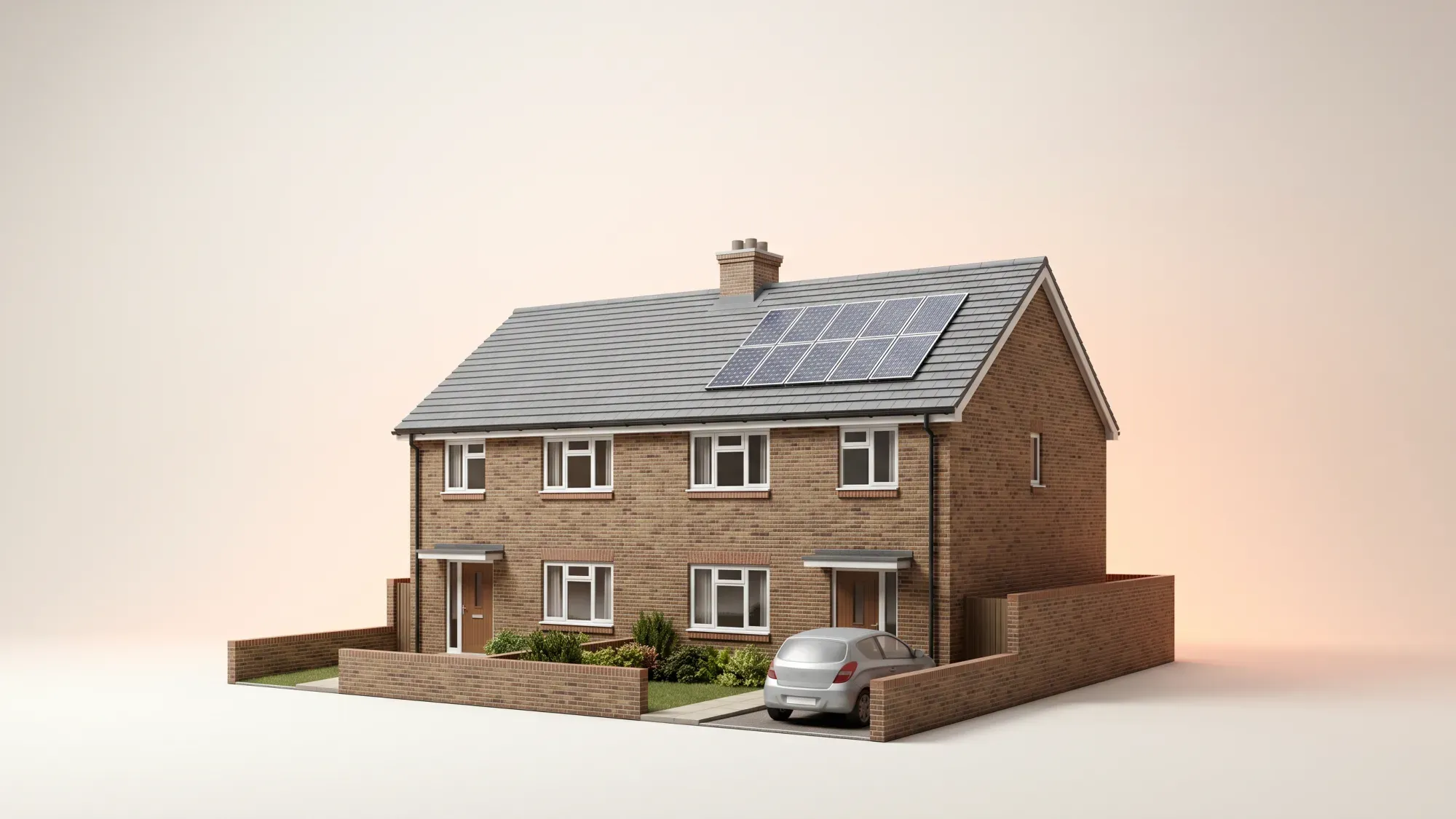
Havering homeowners looking to reduce energy bills and gain greater control over their electricity supply will find solar panel installation a compelling option. This guide outlines the process, benefits, and key considerations for installing solar panels in your Havering home, helping you navigate towards energy independence.
Why solar power makes sense for homes
Your local energy landscape
Energy unit rates and standing charges are subject to regional variations set quarterly by the regulator. This local context makes reducing reliance on grid electricity through solar power particularly impactful. Your local Distribution Network Operator (DNO) is responsible for managing the electricity grid in your area. In the event of a power cut, residents can dial the free national number 105, which routes directly to their DNO. Understanding this local infrastructure is key to a smooth solar installation process.
Financial benefits: 0% VAT and Smart Export Guarantee
The financial incentives for installing solar panels are significant. A 0% VAT rate applies to solar panel and battery storage installations across Great Britain until 31 March 2027, reducing the upfront cost of your system. From 1 April 2027, this rate is expected to rise to 5%1. Furthermore, the Smart Export Guarantee (SEG) allows homeowners to be paid for any surplus electricity they export back to the National Grid. To qualify for the SEG, your installer must be certified by MCS (Microgeneration Certification Scheme), which ensures adherence to high quality and safety standards.
Environmental impact and energy independence
Beyond the financial savings, solar panels offer a tangible way to reduce your carbon footprint and contribute to a cleaner energy future. Generating your own electricity means less reliance on fossil fuels and a step towards genuine energy independence. This aligns with a vision of having "power to play with", where energy is abundant and something you control, rather than a constant concern. Understanding the average monthly electric bill with solar panels can help you visualise these savings.
The solar panel installation process
Navigating the solar panel installation process can seem daunting, but breaking it down into clear steps makes it manageable.
Initial assessment and system design
The first step involves a detailed assessment of your property. A qualified installer will evaluate your roof's suitability (size, orientation, shading), your household's energy consumption patterns, and discuss your goals for energy independence. This information is used to design a bespoke solar panel system that maximises energy generation and meets your specific needs. You can also consider the solar panel installation cost at this stage.
Permits and local grid connections
For new solar or battery grid connections, your installer will handle the necessary notification to your local DNO under the G98/G99 process2. This is a standard regulatory requirement to ensure your system can safely and effectively connect to the local electricity network. It's crucial that your chosen installer manages this aspect on your behalf.
What is the G98/G99 process for solar installations?
The G98/G99 process is a regulatory framework for notifying your local DNO about new electricity generating equipment connected to the grid. Your MCS-certified installer typically handles this on your behalf, ensuring your solar system complies with safety and operational standards for grid connection.
Installation day and system activation
Once all designs are approved and notifications submitted, the physical installation of your solar panels and any associated battery storage can begin. The actual installation work typically takes between one to three days, depending on the system's size and complexity. However, the overall process from initial enquiry to full system activation can take several weeks^[3,4], factoring in surveys, design, and DNO approvals. After installation, the system is commissioned and activated, allowing you to start generating your own clean electricity.
Choosing a reputable solar installer
Selecting the right installer is paramount for a successful and long-lasting solar investment.
The importance of MCS certification
Always choose an installer with MCS certification. This is not just a mark of quality; it's a prerequisite for accessing government-backed incentives like the SEG. MCS certification ensures that your system is installed to the highest standards and that your investment is protected.
Questions to ask potential installers
When obtaining quotes, ask about:
Their MCS certification status: and registration number.
Their experience: with installations in your area.
The specific components: they use (panels, inverters, batteries) and their warranties.
Their approach: to the G98/G99 grid connection process.
References: from previous customers.
Understanding quotes and warranties
Compare multiple quotes, ensuring they are detailed and transparent, covering all costs from equipment to installation and grid connection. Pay close attention to warranties offered on panels, inverters, and the installation work itself, as these protect your investment for years to come.
Maximising your solar investment: battery storage and smart energy
To truly unlock the potential of your solar panels and achieve greater energy independence, consider integrating battery storage and smart energy management.
The advantages of solar battery storage
Battery storage allows you to store excess solar electricity generated during the day for use when the sun isn't shining, such as in the evenings or on cloudy days. This significantly increases your self-consumption of solar power, reducing your reliance on grid electricity and further lowering your bills. It's an easy home energy upgrade that complements your solar panels, giving you more "power to play with".
Integrating solar with smart meters for optimal use
Combining solar panels and battery storage with smart meters creates a holistic energy ecosystem. Smart meters provide real-time data on your energy generation and consumption, allowing you to make informed decisions about when to use or store your power. Fuse Energy's all-in-one app, for example, can help homeowners manage their overall energy usage, integrating with smart meters to optimise solar self-consumption and export. This level of control is a true "power play", putting you in charge of your home's energy.
Earning from your surplus energy
With a smart meter and an MCS-certified installation, you can register for the SEG. This means you'll earn money for any electricity your solar panels generate but your home doesn't use, sending it back to the grid. Optimising your system with battery storage and smart management ensures you maximise both your self-consumption and your export earnings.
Local resources and next steps for residents
Taking the first step towards solar energy is a significant decision for your home.
Key contacts for homeowners
For any queries regarding the local electricity network or power cuts, you can find your DNO using the Energy Networks Association's "Find my network operator" tool. You can also contact them by dialling 105. For general energy advice, Ofgem and Citizens Advice offer valuable resources.
Planning your solar journey
Your solar journey begins with research and obtaining quotes from MCS-certified installers. Focus on understanding the local context, the financial incentives available, and how integrating battery storage and smart energy solutions can maximise your investment. By taking these steps, you can confidently move towards a more sustainable and independent energy future.
For the avoidance of doubt, this article is provided for informational purposes only and is not intended to constitute legal or financial advice. The author and/or Fuse Energy shall not be responsible for any losses arising out of any reliance on the information contained herein.