Solar panel installation for Exeter homes
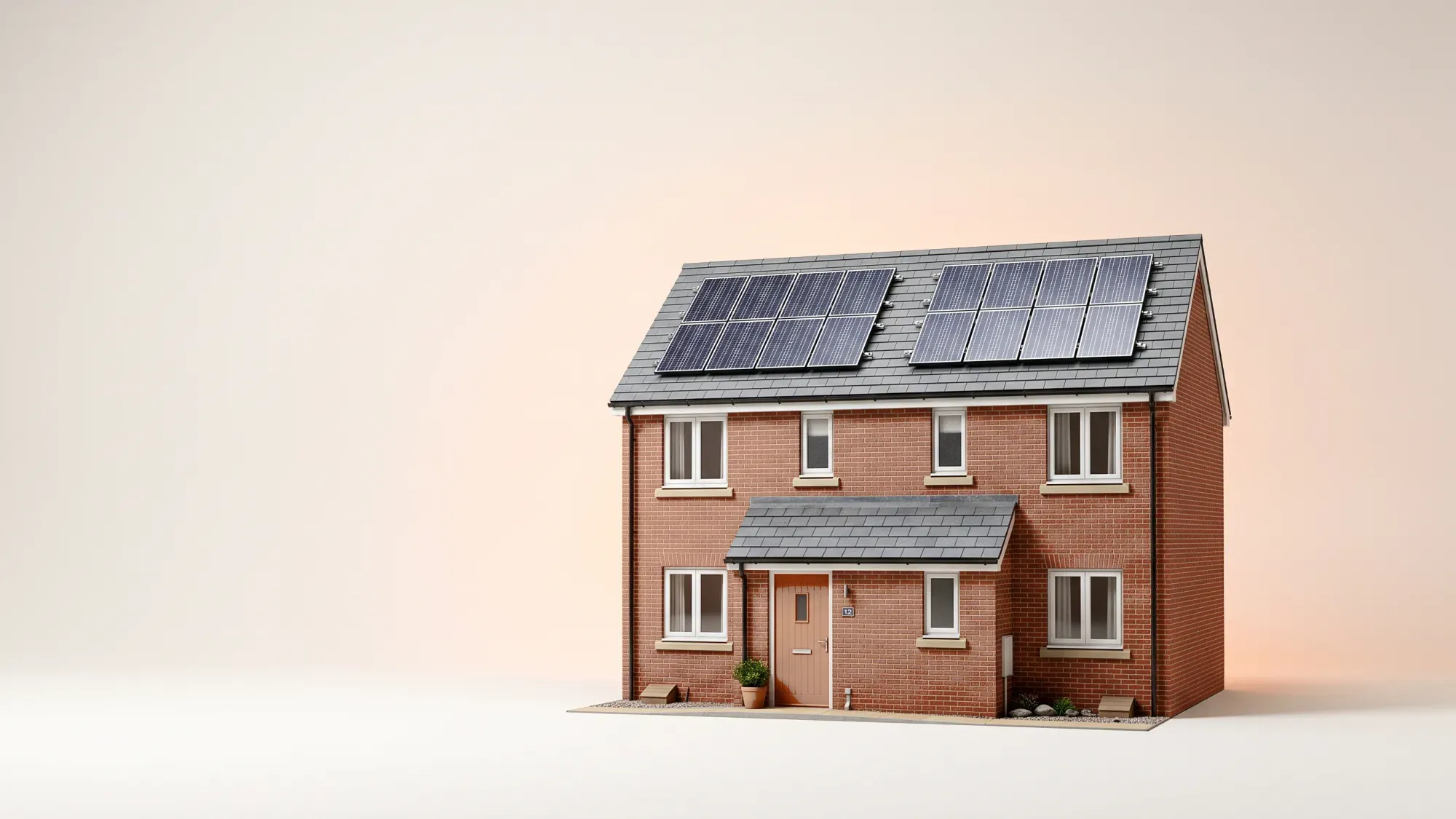
Exeter homeowners can genuinely transform their energy future by embracing solar panel installation. With its unique blend of Victorian and Georgian terraces, modern new-builds, and rural-edge properties, Exeter offers diverse opportunities for solar power, all benefiting from Southern England's generous sunlight hours. Installing solar panels is not just about reducing bills; it is a strategic move for greater energy independence and control over your home's power.
Why solar panels make sense for Exeter homes
Installing solar panels in Exeter is a smart investment, offering both immediate and long-term advantages that align with the region's climate and energy market.
Harnessing Southern England's sunlight
Exeter's location in Southern England means it benefits from some of the UK's highest annual sunlight hours. This makes the payback period for solar installations among the best in the country. Even on cloudy days, solar panels generate electricity from diffuse daylight, ensuring consistent energy production throughout the year. If you're wondering how well solar panels perform in less-than-ideal conditions, you can learn more about whether solar panels work on cloudy days.
Reducing energy bills in the South West
Electricity unit rates and daily standing charges in Exeter are influenced by Ofgem's regional price cap, as the city falls under the South West England electricity distribution region. Generating your own electricity with solar panels can significantly reduce your reliance on grid power, directly lowering your energy bills. This offers a tangible buffer against future energy price fluctuations.
Boosting your home's value
A home equipped with solar panels is often more attractive to potential buyers. Energy efficiency is a key consideration for many, and a ready-installed solar system can increase your property's appeal and market value. It signals a modern, cost-effective, and environmentally conscious home.
The solar panel installation process in Exeter
Understanding the steps involved in getting solar panels installed helps ensure a smooth transition to renewable energy for your Exeter home.
Initial assessment and system design
The first step is a comprehensive assessment of your home's energy consumption and roof suitability. An installer will evaluate factors like roof size, orientation, shading, and structural integrity. They will then design a system tailored to your household's needs, detailing the number of panels, inverter type, and expected energy output. For a deeper dive into the practicalities, explore our guide on solar panel installation.
Navigating grid connections
For Exeter homeowners, any new home EV charger or solar/battery grid connection must be notified to the local Distribution Network Operator (DNO) responsible for your area. The DNO for Exeter is National Grid Electricity Distribution. This notification process ensures your system can safely connect to and interact with the local electricity grid.
There are two main standards for connecting small-scale generation equipment: G98 and G99.
- G98: This applies to smaller systems, typically with an inverter output of up to 3.68 kW per phase for single-phase supplies. For G98 installations, your installer can connect the system and then notify the DNO within 28 days of commissioning.
- G99: This applies to larger systems, exceeding 3.68 kW per phase. For G99 installations, you must obtain approval from the DNO before installation can begin. This process can take several weeks or months.
Reputable installers typically handle this notification or application process on your behalf, simplifying the technical requirements.
Installation and commissioning
Once the design is approved and grid connection arrangements are in place, the physical installation begins. This involves mounting the panels, installing the inverter, and connecting the system to your home's electrical supply. After installation, the system is commissioned, tested to ensure it operates correctly, and then registered with your energy supplier.
Financial incentives for Exeter solar owners
Several financial incentives make solar panel installation more accessible and rewarding for homeowners in Exeter.
0% VAT on solar and battery storage
A significant incentive is the 0% VAT rate applied to the installation of solar panels and battery storage for households across Great Britain. This tax relief was introduced in April 2022 and is currently scheduled to last until 31 March 2027, after which it is due to rise to 5%. This makes now an opportune time to invest in a solar system.
Understanding the Smart Export Guarantee (SEG)
The Smart Export Guarantee (SEG) is a UK-wide government-backed scheme that requires larger licensed electricity suppliers to pay homeowners for any surplus solar electricity they export back to the grid. To qualify for SEG payments, your solar panel installation must be certified by the Microgeneration Certification Scheme (MCS) or an equivalent scheme.
What is MCS certification?
MCS certification confirms that an installer meets high standards for microgeneration technology, including solar panels. It is essential for accessing government-backed incentives like the SEG, ensuring your installation is safe, reliable, and eligible for payments for exported electricity.
Long-term savings and payback
Beyond initial incentives, solar panels offer substantial long-term savings. By generating your own electricity, you reduce the amount you need to buy from the grid, leading to lower monthly bills. With Exeter's favourable sunlight conditions, the payback period for your investment can be relatively quick, after which you will enjoy essentially free electricity for the lifespan of your panels.
Choosing the right solar installer in Exeter
Selecting a competent and reliable installer is paramount for a successful solar panel installation.
The importance of MCS certification
Always choose an MCS-certified solar installer. This certification is not just a mark of quality; it is a requirement for you to be eligible for SEG payments. An MCS-certified installer ensures your system meets industry standards and can be properly registered.
Questions to ask potential installers
When obtaining quotes, ask about their experience with similar properties in Exeter, their warranty on panels and workmanship, and how they handle the DNO grid connection process. Request multiple quotes to compare system designs, costs, and expected performance. You can also research the typical solar panel installation cost to help with your comparisons.
Integrating battery storage for maximum benefit
Consider integrating battery storage with your solar panel system. While solar panels generate electricity during the day, a battery stores excess energy for use during the evening or on cloudy days. This maximises your self-consumption, reduces reliance on the grid, and can further enhance your energy independence.
Maximising your solar investment in Exeter
To truly make the most of your solar panels, consider how they integrate with your wider home energy ecosystem.
Smart energy management with an app
Modern solar systems often come with apps that allow you to monitor your energy generation and consumption in real-time. This insight empowers you to make informed decisions about when to use high-energy appliances, further optimising your savings and energy independence.
Considering EV charging integration
If you own an electric vehicle, integrating an EV charger with your solar system can allow you to power your car with self-generated renewable energy. This not only reduces your transport costs but also enhances your overall energy self-sufficiency. A new home EV charger connection in Exeter, like solar, is also notified to the local DNO.
Ongoing maintenance and performance
While solar panels require minimal maintenance, occasional cleaning and regular performance checks ensure they operate at peak efficiency. Most systems come with long warranties, but understanding how to monitor your system's output can help you identify any issues early and maintain optimal generation for years to come.
Disclaimer
For the avoidance of doubt, this article is provided for informational purposes only and is not intended to constitute legal or financial advice. The author and/or Fuse Energy shall not be responsible for any losses arising out of any reliance on the information contained herein.