Solar panel installation in Essex
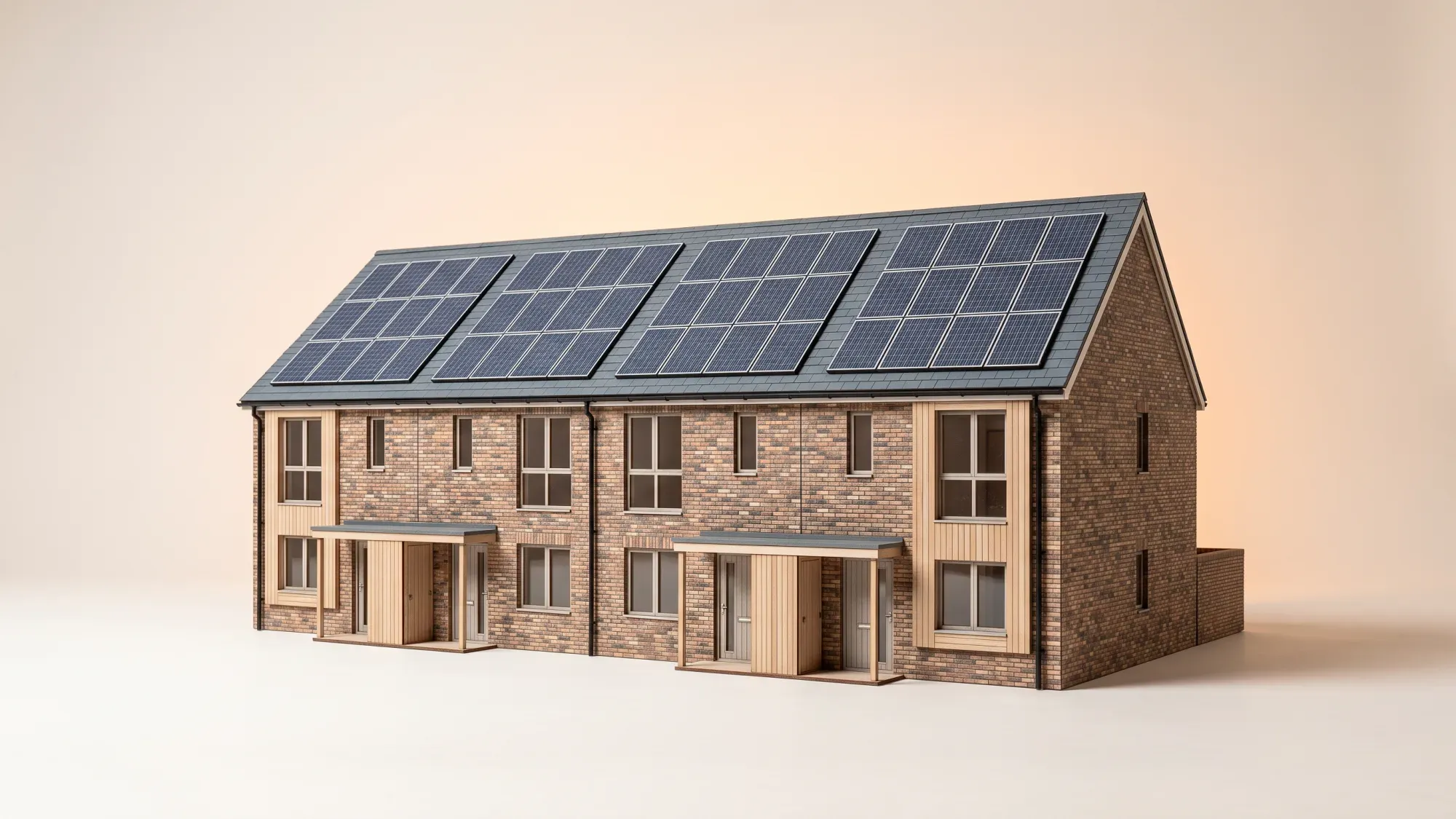
For Essex homeowners, installing solar panels is not just about reducing bills, but about gaining power to play with in a region where energy costs are governed by the 'Eastern England' price cap. From the historic charm of Colchester to the bustling coastlines of Southend-on-Sea, and the tranquil rural villages in between, Essex is a county of diverse homes and varied energy needs. Whether you are heating a Victorian terrace, powering a new-build EV charger, or managing energy in an off-gas-grid property, your energy choices matter. Installing solar panels offers a strategic move to take control of your energy future, providing both financial benefits and greater independence.
The Essex solar opportunity
Making the switch to solar in Essex means understanding both the broad advantages of renewable energy and the specific local factors that affect your installation and savings. It is about making an informed "power play" that puts you in charge of your home's energy.
Why solar panels make sense in Essex
Solar panels generate electricity from daylight, not just direct sunlight, making them viable year-round in the UK. This means that even on typical cloudy British days, your system will still be producing power. To learn more about how they perform in various weather, you can read our guide on whether solar panels work on cloudy days. The UK's cooler temperatures can actually enhance panel efficiency, as excessive heat can reduce performance. For Essex homeowners, this translates into a consistent, reliable source of clean energy, helping to reduce reliance on grid electricity and offering a hedge against fluctuating energy prices.
Essex's energy landscape: price caps and DNOs
Your energy unit rates and daily standing charges in Essex are influenced by the energy price cap set by Ofgem, the energy regulator for Great Britain.1 Essex falls within the "Eastern England" electricity distribution region, which means the maximum prices suppliers can charge for electricity and gas are specific to this area. Ofgem updates these price cap rates quarterly, on 1 January, 1 April, 1 July, and 1 October each year.
The local Distribution Network Operator (DNO) for Essex is UK Power Networks. They are responsible for maintaining the electricity cables and lines across London, the South East, and East of England. If you experience a power cut in Essex, you would typically dial the free national number 105, which routes to UK Power Networks. Any new home EV charger or solar/battery grid connection in Essex is notified to UK Power Networks (chargers via the ENA connect-and-notify route; solar or battery systems under G98/G99), a procedure usually handled by your installer.
Understanding solar panels for your home
Before diving into installation, it is crucial to understand how solar technology works, especially in the UK climate, and how battery storage can maximise your investment.
How solar panels work in the UK climate
Modern solar panels use photovoltaic (PV) technology to convert daylight into electricity. This process works even in diffused light conditions, meaning solar panels remain effective on cloudy days. While direct sunlight provides maximum output, diffused light still contains usable energy, ensuring your system continues to produce power even when the sun is not shining brightly. The UK's mild climate is often beneficial, as solar panels perform more efficiently in cooler conditions than in extreme heat, which can reduce their output.
The role of battery storage in maximising your solar investment
Battery storage significantly enhances the financial benefits of solar by allowing you to store surplus energy generated during the day for use later, such as in the evenings or on less sunny days. This reduces your reliance on grid electricity even further and increases your self-consumption of the clean energy you produce. Storing excess energy also allows you to maximise your export earnings through schemes like the Smart Export Guarantee (SEG), as you can choose to export power to the grid when rates are most favourable.
The solar installation process in Essex
Installing solar panels involves several steps, from choosing the right professional to navigating local regulations. Understanding this process ensures a smooth transition to generating your own clean energy.
Finding an MCS-certified installer
Choosing an MCS-certified installer is crucial for your solar panel installation. MCS certification ensures that your installer meets rigorous standards for quality and competence. More importantly, MCS certification is required for your installation to qualify for government schemes like the SEG, which allows you to sell surplus electricity back to the grid. Always obtain multiple quotes from local MCS-certified installers in Essex to ensure you get a comprehensive proposal that meets your specific needs.
Navigating the G98/G99 grid connection process
Connecting your new solar and battery system to the National Grid requires notification to your local DNO, UK Power Networks, under either the G98 or G99 process. For most domestic installations, particularly those with an inverter rated at 3.68kW or below per phase, the simpler G98 notification applies, where your installer notifies the DNO after installation. Larger systems or those with higher export capabilities typically fall under G99, which requires DNO approval before installation can begin. Your MCS-certified installer will handle all the necessary paperwork and procedures with UK Power Networks on your behalf, ensuring compliance and a seamless connection.
Planning permissions and local considerations
For most domestic solar panel installations in the UK, planning permission is not required, as they fall under "permitted development rights." However, there are exceptions, particularly for properties in conservation areas, listed buildings, or if the panels significantly alter the appearance of your home. It is always wise to check with your local Essex council for any specific local planning considerations before installation begins. Your installer should be able to advise you on these requirements.
Financial benefits and support
Investing in solar panels for your Essex home offers significant financial advantages, supported by government incentives designed to make renewable energy more accessible.
The 0% VAT incentive
A significant financial benefit for homeowners installing solar panels and battery storage is the 0% VAT rate. This applies to both the supply of materials and the cost of installation for residential properties across Great Britain until 31 March 2027. This temporary measure, introduced in Spring 2022, is designed to encourage the adoption of renewable technologies and can lead to substantial savings on the upfront cost of your system. From 1 April 2027, the VAT rate is currently scheduled to rise to 5%.
Earning from your solar: the Smart Export Guarantee
The SEG is a UK-wide scheme that requires larger licensed energy suppliers to pay you for any surplus solar electricity you export to the National Grid. To qualify for SEG payments, your solar panel installation must be MCS-certified, and you will typically need a smart meter capable of providing half-hourly export readings. For guidance on how to submit these, refer to our export meter reading guide. Your chosen energy supplier does not need to be the same as your SEG tariff provider, allowing you to shop around for the best export rates.
What is the SEG?
The SEG is a government-backed scheme that pays homeowners for surplus renewable electricity they export to the National Grid. To qualify, your solar system must be MCS-certified and have a smart meter capable of recording half-hourly export readings.
Long-term savings and energy independence
Beyond initial incentives, solar panels offer substantial long-term savings by reducing your electricity bills. You can explore how this impacts your average monthly electric bill with solar panels. By generating your own power, you become less vulnerable to future energy price increases and market volatility. Integrating battery storage further enhances these savings by allowing you to store and use your own generated electricity, rather than buying from the grid during peak times. This combination fosters true energy independence, giving you greater control over your household's energy consumption and costs.
Choosing the right solar installer
The success and longevity of your solar panel system heavily depend on the quality of its installation. Selecting a reputable and qualified installer in Essex is paramount.
Key questions to ask potential installers
When gathering quotes for solar panel installation in Essex, ask potential installers about their MCS certification and experience with similar projects. Enquire about the specific products they recommend, including panel types and inverter technology, and how these are suited to your home's orientation and potential shading. Ask for a detailed breakdown of solar panels cost, including equipment, installation, and any associated fees for grid connection or planning. A transparent proposal should clearly outline expected system performance and estimated savings.
Ensuring quality and reliability
Always choose an MCS-certified installer to guarantee adherence to industry standards and eligibility for government schemes. Check their references and read customer reviews to gauge their reputation and reliability. A good installer will also provide comprehensive warranties for both the equipment and the installation work, offering peace of mind for your investment. They should also be able to explain the G98/G99 process and confirm they will handle all necessary notifications to UK Power Networks.
Making the power play with Fuse Energy
Installing solar panels in Essex is a strategic move for homeowners to gain control over their energy future and achieve independence. Fuse Energy is here to facilitate this "power play" by simplifying your home energy upgrades and providing the tools to maximise your solar investment.
Empowering your home with smart energy solutions
Fuse's app provides visibility and control over your energy usage. This complements your solar installation by helping you understand your energy flows, optimise your self-consumption, and make informed decisions to maximise your investment. We believe in a future with power to play with, where energy is abundant and effortless. Fuse facilitates easy home energy upgrades like solar and batteries, simplifying the process for Essex homeowners seeking to enhance their energy independence.
24/7 support for your solar journey
Embarking on a solar journey can bring questions, from understanding your energy data to optimising your system. Fuse offers continuous 24/7 human customer support to help you maximise your solar investment and navigate any energy-related queries. This commitment to support provides peace of mind, ensuring you always have assistance to make the most of your home's new energy capabilities.
References
Disclaimer
For the avoidance of doubt, this article is provided for informational purposes only and is not intended to constitute legal or financial advice. The author and/or Fuse Energy shall not be responsible for any losses arising out of any reliance on the information contained herein.