Solar panel installation in Eastbourne
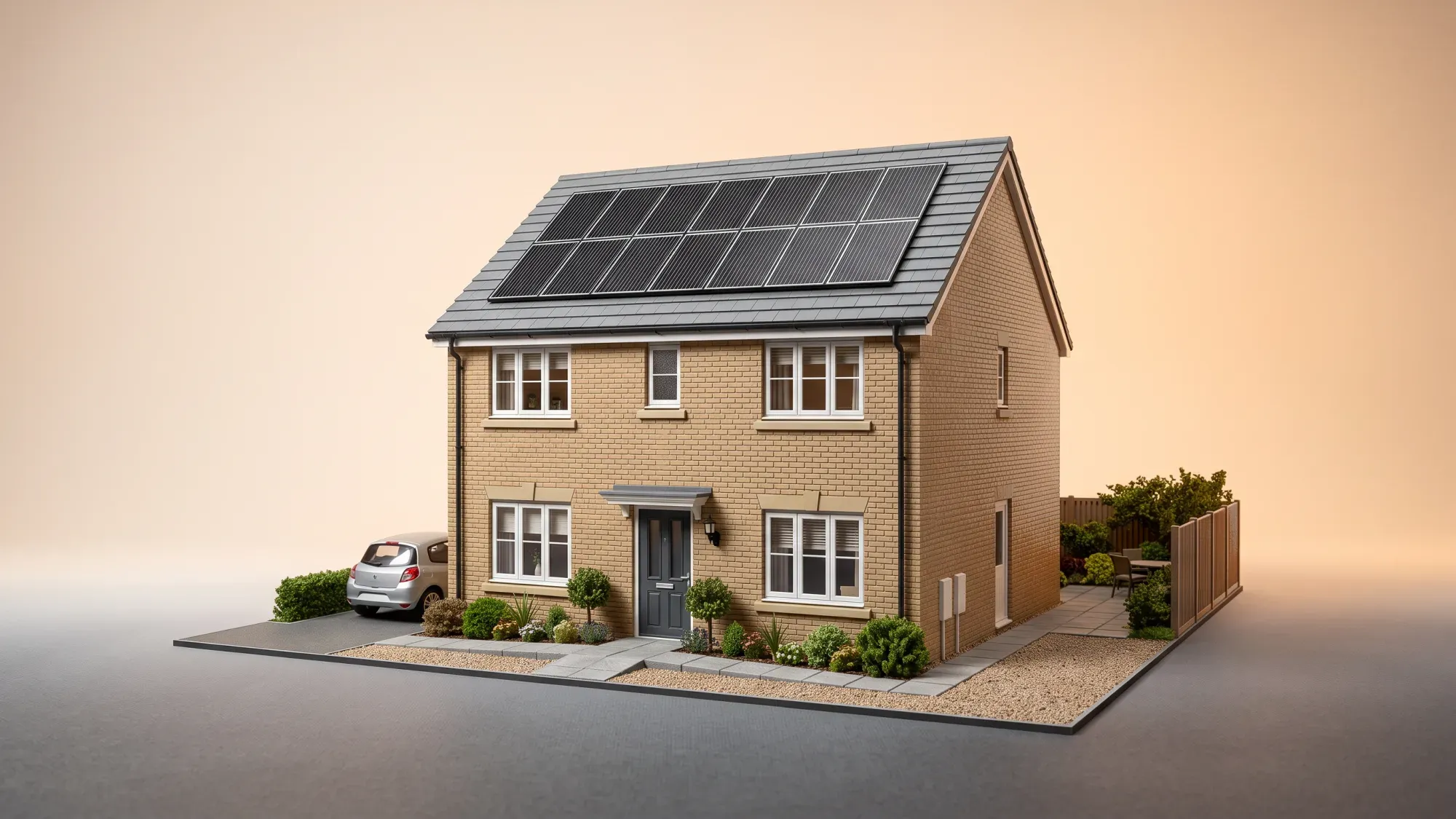
Eastbourne, with its iconic pier and coastal charm, is ideally positioned for harnessing solar energy. Situated in Southern England, the town benefits from some of the UK's highest annual sunlight hours, making solar panel installation a particularly effective investment for homeowners looking to reduce energy bills and increase property value. This guide cuts through the complexity, offering clear guidance on the process, benefits, and trusted providers for solar solutions.
Why homeowners are choosing solar power
Installing solar panels offers residents a tangible way to gain control over their energy usage and bills, leveraging the town's natural advantages.
Harnessing abundant sunshine
Southern England, including Eastbourne, consistently receives a high number of annual sunlight hours compared to other parts of the UK. Eastbourne averages around 1,892 hours of sunshine per year, averaging over 5 hours per day. This makes solar investment in the area particularly effective, offering optimal payback periods. Even on cloudy days, modern solar panels generate useful electricity from diffuse daylight, ensuring consistent energy production throughout the year. If you're wondering how effective solar panels are on less sunny days, you can learn more about whether do solar panels work on cloudy days.
Reducing energy bills and boosting property value
Solar panels directly reduce reliance on grid electricity, leading to significant savings on energy bills. A typical 4kW solar system can save UK homeowners between £800 and £1,100 annually. Beyond immediate savings, homes with solar installations often see an increase in property value. Studies suggest that properties with solar panels can achieve a sale price premium of 6.1% to 7.1%, translating to between £14,000 and £16,000 on a typical UK home. Solar panels also improve a home's Energy Performance Certificate (EPC) rating, a factor increasingly scrutinised by mortgage lenders.
The environmental benefits for our community
By generating clean, renewable electricity, homeowners contribute to a reduction in carbon emissions and support the UK's transition away from fossil fuels. A typical solar installation can save around one tonne of carbon per year. This shift towards renewable energy helps create a more sustainable future for the local community and the wider environment.
Understanding solar panel installation
The process of installing solar panels and integrating battery storage can seem daunting, but understanding the steps and components involved simplifies the journey. For a comprehensive guide, explore our article on solar panel installation.
The installation process: step-by-step
- Research and select MCS-certified installers: Begin by finding reputable, MCS-certified solar installers. MCS certification is crucial for quality assurance and eligibility for financial incentives.
- Obtain detailed quotes: Request multiple quotes that include system design, costs, and projected energy savings tailored to your home's specific needs and energy consumption. For more details on the financial aspects, see our guide on solar panel installation cost.
- DNO application management: Ensure your chosen installer will manage the necessary Distribution Network Operator (DNO) application (G98/G99 process) on your behalf.
- Installation and commissioning: Once approvals are in place, the solar PV system and any integrated battery storage will be installed and commissioned.
- Smart Export Guarantee registration: After installation, register for the Smart Export Guarantee (SEG) to earn payments for any surplus electricity exported to the grid.
Key components of a solar PV system
A typical domestic solar PV system consists of several core components:
- Solar panels: These convert sunlight into direct current (DC) electricity.
- Inverter: This device converts the DC electricity from the panels into alternating current (AC) electricity, which is what your home appliances use and what the grid accepts.
- Mounting system: This secures the panels safely to your roof.
- Cabling and electrical connections: These connect the system components and integrate it with your home's electrical supply.
Integrating battery storage for maximum savings
Adding battery storage to a solar PV system allows you to store excess electricity generated during the day for use later, such as in the evenings or during periods of low solar generation. This maximises self-consumption, further reduces reliance on grid electricity, and offers greater energy independence. Battery storage can also help homeowners take advantage of time-of-use tariffs, charging when electricity is cheap and discharging when it's expensive.
Local considerations: the energy landscape
Homeowners need to be aware of specific local energy infrastructure and regulatory requirements.
Electricity distribution region and price cap
Eastbourne is located within the 'South East England' electricity distribution region. This means that the unit rates and daily standing charges for electricity, as set by Ofgem's price cap, will align with this regional pricing, which can differ from the national average. The price cap is updated quarterly, affecting how much you pay for grid electricity.
Navigating your local DNO and grid connections
Your local DNO is responsible for the electricity cables and lines that deliver power to your home. You can find your DNO by entering your postcode on the Energy Networks Association (ENA) website. When installing solar panels or battery storage, your installer will manage the grid connection application process with your DNO. For most domestic installations, this involves the G98/G99 process, which ensures your system can safely connect to the local grid. For smaller systems, G98 applies to those with an inverter output of 3.68kW or less per phase (single phase) or 11.04kW (three phase). Larger domestic systems may fall under G99, which requires DNO approval before installation.
What is the G98/G99 process for solar panels?
The G98/G99 process refers to engineering recommendations for connecting microgeneration systems like solar PV and battery storage to the electricity grid. G98 applies to smaller systems (up to 3.68kW single phase), requiring notification after installation. G99 applies to larger systems, needing DNO approval before commissioning to ensure grid stability and safety.
Essential MCS certification for installers
Choosing an MCS-certified installer is not just about quality; it's a mandatory requirement for homeowners to qualify for the SEG. The Microgeneration Certification Scheme (MCS) sets standards for low-carbon energy technology products and installers, ensuring your solar PV system is fitted correctly and safely. Many reputable solar installers are MCS-certified.
Financial incentives for solar installations
Several financial incentives make solar panel installation more accessible and cost-effective for homeowners.
The 0% VAT advantage for solar and battery storage
Homeowners across Great Britain benefit from a 0% VAT rate on solar panel and battery storage installations. This significant reduction in upfront cost is currently scheduled to run until 31 March 2027. From 1 April 2027, the VAT rate is expected to revert to 5% for qualifying installations. This makes the current period an opportune time to invest in solar.
Earning with the Smart Export Guarantee (SEG)
The SEG mandates larger licensed energy suppliers to pay homeowners for any surplus electricity generated by their solar panels and exported back to the grid. To qualify for SEG payments, your solar installation must be MCS-certified. The rates offered by suppliers vary, so it's worth comparing options to find the best deal for your exported energy.
Choosing the right solar installer
Selecting a reputable and qualified solar installer is paramount for a successful and long-lasting solar PV system.
What to look for in an MCS-certified provider
Beyond MCS certification, look for installers with a strong local presence and positive customer feedback. A good installer will offer comprehensive services, from initial survey and system design to installation, commissioning, and aftercare. They should also be transparent about costs, warranties, and projected savings. Look for accreditations from bodies like RECC (Renewable Energy Consumer Code) or TrustMark, which provide additional consumer protection.
Questions to ask potential installers
When obtaining quotes, ask about:
- Their MCS certification and other accreditations.
- Their experience with similar properties.
- The specific components they use (panels, inverters, batteries) and their warranties.
- How they handle the DNO application process.
- Their estimated installation timeline and after-sales support.
- Whether they offer deposit protection and workmanship warranties.
Getting a tailored quote for your home
A reputable installer will provide a detailed, tailored quote after a thorough assessment of your property, energy consumption patterns, and specific requirements. This ensures the system is optimally designed for your home, maximising energy generation and financial returns.
Taking control of your home's energy doesn't have to be complicated. Fuse Energy offers clear pricing, real-time usage data, and 24/7 human customer support to help you manage your energy effectively. Our smart approach to energy means you can make informed decisions about your consumption and potentially lower your bills. Switching to Fuse is quick and easy, designed to put you in charge from day one.
Disclaimer
For the avoidance of doubt, this article is provided for informational purposes only and is not intended to constitute legal or financial advice. The author and/or Fuse Energy shall not be responsible for any losses arising out of any reliance on the information contained herein.