Solar panel installation in East London
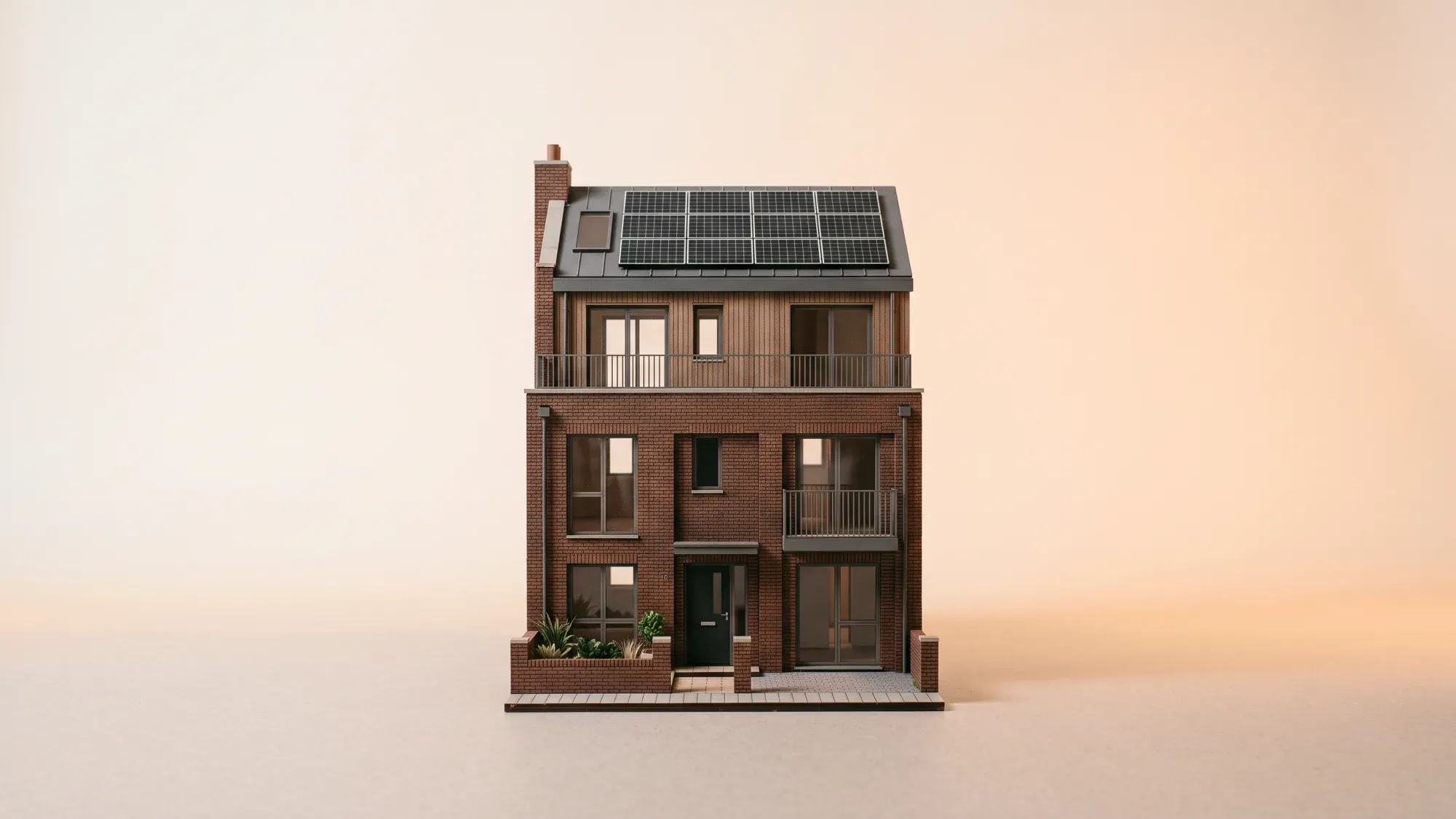
East London, with its mix of historic and modern homes, is an excellent location for solar panel installations. Its position in Southern England means solar panels can generate electricity efficiently, even on cloudy days. This guide will help East London homeowners understand the benefits, processes, and local considerations for installing solar panels, empowering them to take control of their energy.
Why consider solar panels for your East London home?
Installing solar panels offers a compelling proposition for East London homeowners, blending financial savings with environmental responsibility. The benefits extend beyond simply generating your own electricity, impacting your household budget, carbon footprint, and even property value.
Harnessing Southern England's sunlight
Despite common misconceptions about the UK's weather, Southern England, including London, receives ample sunlight to make solar energy a smart investment. London averages around 1,500 hours of sunshine per year, placing it among the top areas in the UK for solar generation. Crucially, modern solar panels are highly efficient at converting diffuse daylight into electricity, meaning they continue to work effectively even on overcast days. This consistent performance ensures a reliable energy supply throughout the year. If you're wondering, do solar panels work on cloudy days?, the answer is yes, they do.
Reducing energy bills and carbon footprint
Generating your own electricity significantly reduces reliance on grid power, directly lowering your monthly energy bills. Over time, these savings can amount to thousands of pounds, providing a substantial financial return. Beyond the financial benefits, solar panels offer a clean, renewable energy source that drastically cuts your household's carbon emissions. A typical rooftop solar system can save around 0.8 to 1.0 tonnes of CO2 per year, contributing to a greener London and the UK's net-zero targets. Understanding your average monthly electric bill with solar panels can help you see the potential savings.
Increasing property value
Installing solar panels can make your East London home more attractive to potential buyers, potentially increasing its market value. As energy efficiency becomes a greater priority for homeowners, properties with established solar installations are often viewed as more desirable and future-proof.
East London's unique solar landscape
London's energy environment has specific characteristics that homeowners need to understand when considering solar panel installation. These local factors influence everything from your electricity rates to the technical requirements for connecting to the grid.
Housing stock considerations
East London's housing stock is incredibly diverse, ranging from historic Victorian and Georgian terraces to modern flats and new-build developments. Each property type presents unique considerations for solar panel installation, such as roof orientation, shading from neighbouring buildings, and potential planning permission requirements, particularly in conservation areas. A reputable installer will assess these specifics to design a system that maximises energy generation for your individual home.
Understanding London's energy price cap
London sits within its own distinct "London" electricity distribution region for Ofgem's price cap. This means that the unit rates and daily standing charges for electricity can differ from those in other parts of the country. Ofgem updates this price cap quarterly, taking effect on 1 January, 1 April, 1 July, and 1 October each year. Understanding these regional variations is crucial for accurately calculating potential savings from solar.
The role of UK Power Networks
The local Distribution Network Operator (DNO) for London is UK Power Networks. This is the company responsible for the physical infrastructure that delivers electricity to your home. Any new grid connection, such as for a solar panel system or a home EV charger, requires notification to UK Power Networks under the G98/G99 process. This is a regulatory requirement to ensure grid stability and safety. Typically, your chosen solar installer will handle this notification process on your behalf.
What is the G98/G99 notification?
G98 and G99 are UK grid connection standards that define the rules for connecting small-scale energy equipment like solar panels and batteries to the electricity network. Your installer handles this process with the DNO to ensure your system won't cause problems for the local grid.
The solar panel installation process in East London
Installing solar panels involves several key stages, from initial design to final commissioning. Understanding this process will help you prepare for your home energy upgrade.
Initial assessment and design
The first step is a detailed assessment of your property by a qualified installer. This includes evaluating your roof's suitability, orientation, shading, and structural integrity. Based on this, a bespoke solar panel system will be designed to meet your energy needs and maximise generation potential.
Planning permission and DNO notification
While many domestic solar installations are considered "permitted development" and do not require full planning permission, there can be exceptions, particularly for homes in conservation areas or listed buildings. Your installer should advise on any local planning considerations. As mentioned, your installer will also manage the G98/G99 notification process with UK Power Networks to ensure your system can be safely connected to the grid.
Installation and commissioning
Once all approvals are in place, the physical installation of the solar panels and associated equipment begins. This typically involves mounting the panels on your roof, installing an inverter to convert solar energy into usable household electricity, and connecting the system to your consumer unit. After installation, the system is commissioned, tested, and registered, ready to start generating clean energy for your home.
Financial incentives for East London homeowners
Several financial incentives are available to make solar panel installation more affordable and rewarding for East London homeowners.
0% VAT on solar and battery storage
A significant incentive is the 0% VAT rate applied to solar panel and battery storage installations across Great Britain. This relief is currently scheduled to run until 31 March 2027, after which the VAT rate is due to revert to 5%. This means a substantial upfront saving on the cost of your system.
The Smart Export Guarantee (SEG)
The Smart Export Guarantee (SEG) is a UK-wide scheme that requires larger licensed energy suppliers to pay you for any surplus solar electricity you export to the grid1. To qualify for SEG payments, your solar panel system and its installer must be certified under the Microgeneration Certification Scheme (MCS). You'll also need a smart meter capable of recording your exported electricity. SEG rates vary between suppliers, so it's worth comparing tariffs to maximise your earnings. You can learn how to take an export meter reading guide to ensure you're paid correctly.
Maximising your investment with battery storage
Adding battery storage to your solar panel system allows you to store excess electricity generated during the day and use it later, such as in the evenings or on cloudy days. This maximises your self-consumption, further reducing reliance on grid electricity and protecting you from fluctuating energy prices. Battery storage also qualifies for the 0% VAT relief until March 2027.
Choosing a reputable solar installer in East London
Selecting the right installer is paramount for a successful and reliable solar panel installation. Look for companies with strong local knowledge and the necessary certifications.
The importance of MCS certification
MCS certification is a mark of quality and competence in the renewable energy sector. For homeowners, it's essential because it ensures your installation meets a high standard and, crucially, allows you to qualify for financial incentives like the SEG. Always verify that your chosen installer holds valid MCS certification.
Questions to ask potential installers
When obtaining quotes, ask about their experience with East London's specific housing types, their process for handling planning permissions, and their approach to DNO notification with UK Power Networks. Enquire about warranties for both the equipment and the installation work, and ask for references from previous customers in your area.
Local expertise matters
An installer with local expertise will have a better understanding of East London's urban environment, including common roof types, potential shading issues from adjacent buildings, and the nuances of local planning regulations. This local knowledge can streamline the installation process and ensure your system is optimised for your specific property.
Living with solar: a power play for your home
Installing solar panels is more than just an upgrade; it's a strategic move that puts you in charge of your home's energy future.
Gaining energy independence
By generating your own electricity, you gain a significant degree of energy independence, reducing your reliance on traditional energy suppliers and insulating your household from volatile energy prices. This shift empowers you to control your energy consumption and costs, aligning with Fuse's vision of having "power to play with."
Contributing to a greener London
Every solar panel installed contributes to a collective effort to reduce carbon emissions and combat climate change. Your East London home becomes a part of the solution, helping to create a cleaner, more sustainable urban environment for everyone.
Future-proofing your property
Investing in solar panels future-proofs your home against rising energy costs and evolving environmental standards. It's a long-term investment that provides enduring value, both financially and environmentally.
References
- Ofgem. Smart Export Guarantee (SEG)
Disclaimer
For the avoidance of doubt, this article is provided for informational purposes only and is not intended to constitute legal or financial advice. The author and/or Fuse Energy shall not be responsible for any losses arising out of any reliance on the information contained herein.