Solar panel installation Cornwall
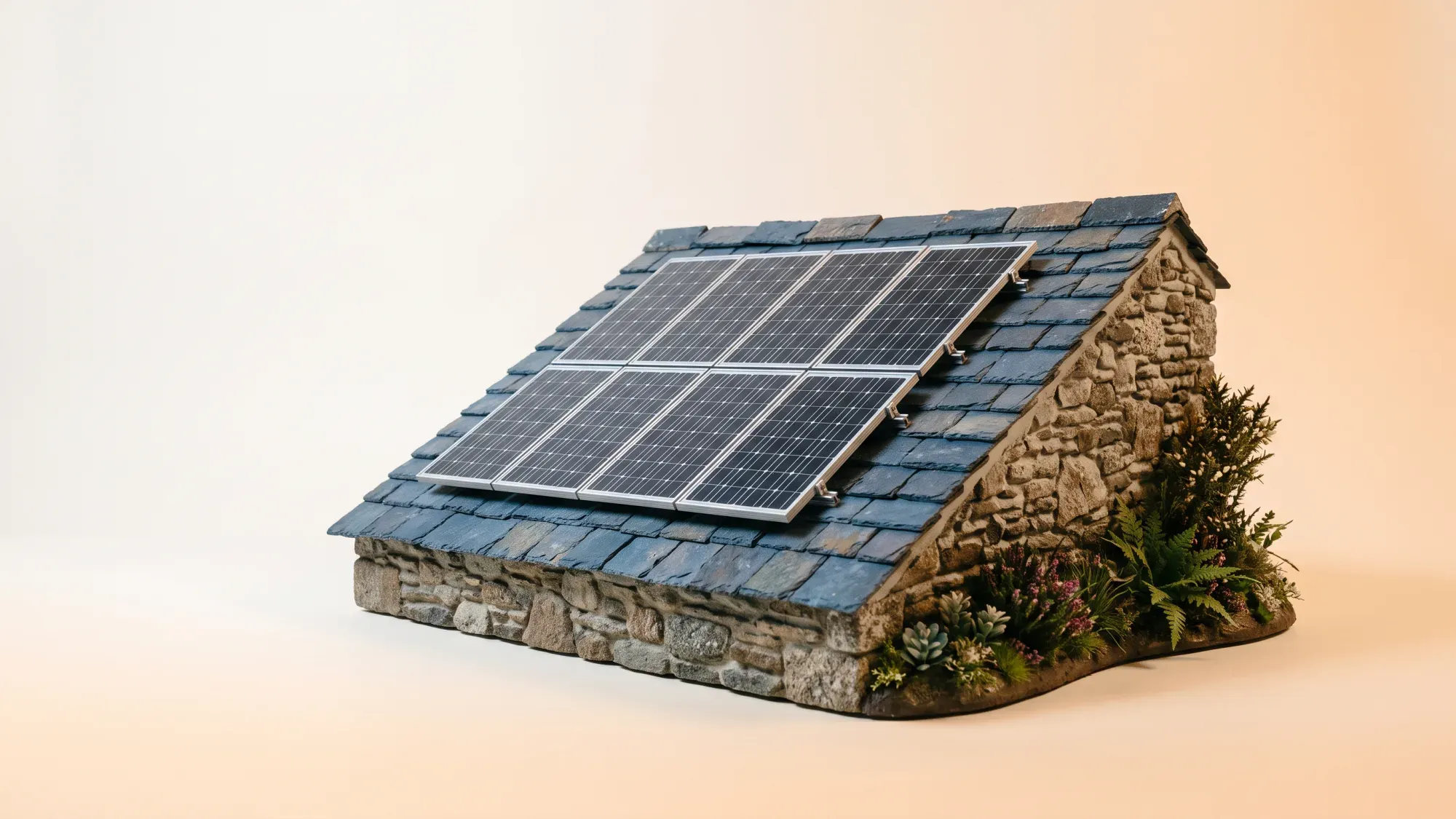
Installing solar panels in Cornwall offers homeowners a clear path to reducing energy bills and achieving greater energy independence. With its abundant sunlight and supportive incentives, the Duchy is well-positioned for a solar revolution. This guide provides Cornwall homeowners with the knowledge needed to confidently navigate the process.
Why consider solar panels in Cornwall?
Harnessing Cornwall's sunlight
Cornwall, located in Southern England, benefits from some of the UK's highest annual sunlight hours. This makes it an ideal location for solar panel installations, contributing to a favourable payback period for homeowners. Even on cloudy days, solar panels generate electricity effectively, as they harness diffuse daylight, not solely direct sunlight.
Reducing energy bills and boosting independence
Solar panels provide homeowners with control over their electricity supply. By generating your own electricity, you can significantly reduce reliance on grid energy, leading to lower monthly bills and increased energy independence. This aligns with Fuse's vision of energy abundance, giving you more power to play with. Many homeowners also pair solar panels with a smart meter installation to track their usage and exports more accurately.
Environmental benefits
Beyond financial savings, installing solar panels contributes to a greener future. By generating clean, renewable energy, you reduce your household's carbon footprint and play a part in combating climate change. It is a tangible step towards a more sustainable lifestyle.
Local considerations for solar in Cornwall
Navigating the specifics of solar panel installation requires understanding local regulations and infrastructure. For homeowners in Cornwall, several key factors influence the process and benefits.
Cornwall's energy landscape
Cornwall sits within the "South West England" electricity distribution region, which directly impacts local energy unit rates and standing charges under Ofgem's price cap. This regional pricing means your potential savings from solar can differ from other parts of the country. The local distribution network operator (DNO) for Cornwall is National Grid Electricity Distribution.
Understanding grid connection (G98/G99)
Any new home EV charger or solar/battery grid connection in Cornwall must be notified to National Grid Electricity Distribution under the G98 or G99 process. This is a standard regulatory requirement to ensure your new energy system can safely and effectively connect to the local electricity network. Your chosen installer typically handles this process on your behalf, ensuring all technical and administrative requirements are met.
The role of your distribution network operator
National Grid Electricity Distribution manages the local electricity network in Cornwall. They are responsible for maintaining the power lines and infrastructure that deliver electricity to your home and handle any power cuts. If you experience a power cut, you can dial the free national number 105, which will route you directly to your local Distribution Network Operator (DNO) for assistance1.
Costs and financial incentives
While the upfront cost of solar panel installation can be a significant consideration, various factors influence the final price, and attractive financial incentives can make it a more accessible investment.
What influences solar panel costs
The cost of a solar panel system in Cornwall depends on several variables. These include the system's size (measured in kilowatts peak, or kWp), the type and efficiency of the solar panels chosen, the complexity of your roof (e.g., pitch, material, accessibility), and whether you opt to include battery storage. Prices can also vary between installers due to their overheads and service offerings. For more detailed information, you can explore typical solar panel installation cost factors.
0% VAT on installations
A significant financial incentive for homeowners across Great Britain is the 0% VAT rate on the installation of solar panels and battery storage systems. This measure was introduced in April 2022 and is set to remain in place until at least 31 March 2027, making solar energy upgrades more affordable.
The Smart Export Guarantee (SEG)
The Smart Export Guarantee (SEG) is a UK-wide scheme that requires larger licensed electricity suppliers to pay you for any surplus solar electricity you export to the grid2. To qualify for SEG payments, your solar panel system must be installed by an MCS-certified installer. This ensures your system meets industry standards and is eligible for government-backed schemes.
What is the SEG?
The SEG is a UK government-backed scheme requiring large energy suppliers to pay homeowners for surplus renewable electricity exported to the National Grid. Eligibility typically requires an MCS-certified installation and a smart meter to measure exports.
Choosing a solar panel installer in Cornwall
Selecting the right installer is crucial for a successful solar panel installation. It ensures quality, safety, and eligibility for financial incentives.
Importance of MCS certification
MCS certification is a mark of quality and competence for installers of renewable energy technologies3. For solar panel installations, MCS certification is a mandatory requirement if you wish to benefit from the SEG. It assures that your installer meets rigorous standards and that your system will perform as expected.
Questions to ask potential installers
When obtaining quotes, ask potential installers about their experience with similar projects in Cornwall, their MCS certification number, and what warranties they offer on both the equipment and their workmanship. Enquire about their process for handling grid connection applications (G98/G99) and their after-sales support. A reputable installer will be transparent and happy to answer all your questions.
Local reviews and reputation
Always check local reviews and testimonials for installers operating in Cornwall. Online platforms and local community groups can provide valuable insights into an installer's reliability, customer service, and the quality of their work. A strong local reputation often indicates a trustworthy and experienced provider.
The solar panel installation process
Installing solar panels is a multi-step process, from initial assessment to final commissioning. Understanding each stage can help you prepare and ensure a smooth experience.
Initial assessment and design
The first step involves a detailed assessment of your home's suitability for solar panels and battery storage. This includes evaluating your roof's orientation, pitch, shading, and structural integrity. Your energy usage patterns will also be analysed to design a system that best meets your needs and maximises your savings.
Permitting and approvals
Before installation begins, your installer will handle any necessary planning permissions or local authority approvals. They will also manage the grid connection application process with National Grid Electricity Distribution, ensuring your system complies with all regulatory requirements.
Installation day
On the day of installation, certified technicians will mount the solar panels on your roof, install the inverter, and connect the system to your home's electrical supply. If you are adding battery storage, this will also be installed and integrated. The process typically takes one to three days, depending on the system's complexity.
Post-installation and maintenance
Once installed, your system will be commissioned and tested to ensure it is operating correctly. Your installer will explain how to monitor its performance, often through a dedicated app. While solar panels require minimal maintenance, occasional cleaning and routine checks can help ensure optimal efficiency and longevity. You can also learn how to take an export meter reading guide to ensure you are paid correctly for your exported electricity.
Maximising your solar investment with battery storage
Integrating battery storage with your solar panel system can significantly enhance its benefits, offering greater energy independence and financial savings.
Benefits of battery storage
Battery storage allows you to store excess electricity generated by your solar panels during the day and use it later, such as in the evening or during periods of high demand. This increases your self-consumption of renewable energy, further reducing your reliance on the grid and potentially lowering your electricity bills. It also provides a buffer against power outages, offering greater resilience.
Integrating solar and battery systems
When solar panels and battery storage are integrated, they form a powerful home energy system. The battery intelligently manages your energy flow, charging when solar generation is high and discharging when demand is high or grid electricity is more expensive. This optimisation ensures you get the most out of your solar investment.
Future-proofing your home energy
Adding battery storage is a smart move for future-proofing your home. It positions you at the forefront of home energy management, giving you more control and flexibility. Fuse offers comprehensive, digitally-driven solutions for home energy upgrades, including solar and battery storage, simplifying the journey to energy abundance for Cornwall residents. With integrated financing options and 24/7 human customer support, Fuse makes achieving energy independence accessible and affordable.
References
- Energy Networks Association. Find my network operator
- Ofgem. Smart Export Guarantee (SEG)
- MCS. Find an MCS certified installer
Disclaimer
For the avoidance of doubt, this article is provided for informational purposes only and is not intended to constitute legal or financial advice. The author and/or Fuse Energy shall not be responsible for any losses arising out of any reliance on the information contained herein.