Solar panel installation in Cambridgeshire
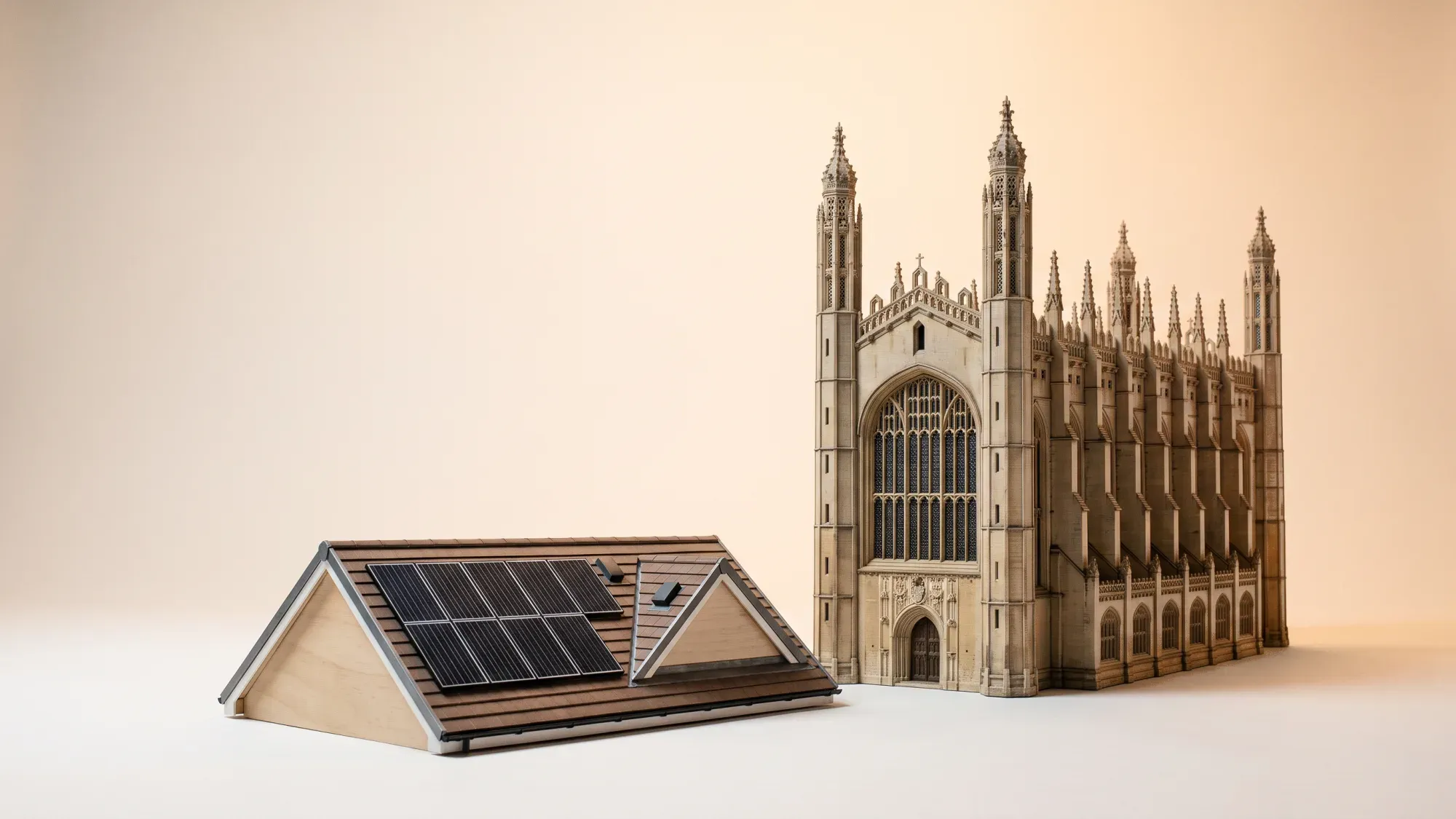
Cambridgeshire, with its flat, open landscapes and a mix of historic market towns and expanding new-build developments, offers excellent conditions for solar panel installations. While the UK climate might seem less sunny than other regions, solar panels effectively generate electricity from diffuse daylight year-round, not just direct sunlight. For homeowners in areas ranging from the Fens to the outskirts of Cambridge, understanding the local energy landscape and available incentives is key to making a smart investment in solar energy.
Why choose solar panels for your Cambridgeshire home?
Installing solar panels in your Cambridgeshire home is a strategic move towards energy independence and long-term financial benefits. Beyond reducing your carbon footprint, solar energy offers tangible savings and increased property value.
Cambridgeshire's unique suitability for solar
Despite common misconceptions, solar panels are highly effective in the UK, including Cambridgeshire, because they generate electricity from diffuse daylight. This means they produce power even on cloudy days, ensuring year-round generation. The flat topography of much of Cambridgeshire often allows for optimal panel orientation without significant shading issues, which are crucial factors for maximising energy capture and system payback. The effectiveness of your system will depend on factors such as panel orientation, potential shading from nearby structures or trees, and crucially, the integration of battery storage to capture surplus energy.
Environmental and financial benefits
Embracing solar power significantly reduces your reliance on grid electricity, leading to lower energy bills and a smaller carbon footprint. Over their lifespan, solar panels can generate substantial savings, especially with rising electricity prices. Furthermore, a well-installed solar PV system can increase your property's value, making your home more attractive to potential buyers. It's a tangible step towards a more sustainable future, aligning with Fuse's vision of abundant, clean energy and empowering homeowners with "power to play with."
Understanding solar panel costs and incentives
The initial outlay for solar panel installation can seem significant, but various incentives and long-term savings make it a sound investment. Understanding these financial aspects is crucial for Cambridgeshire homeowners.
Average solar panel installation costs in Cambridgeshire
The cost of solar panel installation in Cambridgeshire varies depending on system size, panel type, roof complexity, and whether battery storage is included. While specific figures can fluctuate, it's important to obtain multiple quotes from MCS-certified installers to ensure competitive pricing and a system tailored to your home's needs. Focus on the long-term return on investment, including energy savings and potential earnings from exporting surplus electricity. You can also explore the solar panel installation cost to get a better idea of what to expect.
Government incentives: 0% VAT and Smart Export Guarantee
Homeowners in Great Britain can benefit from significant government incentives. A 0% VAT relief applies to the installation of solar panels and battery storage systems in residential properties until 31 March 2027. This can substantially reduce the upfront cost of your system. Additionally, the Smart Export Guarantee (SEG) mandates larger licensed energy suppliers to pay you for any surplus electricity your solar panels generate and export back to the grid. This provides an ongoing income stream, improving the financial payback of your solar investment.
What is the SEG?
The SEG is a UK-wide government-backed scheme requiring large energy suppliers to pay homeowners for surplus renewable electricity exported to the grid. To be eligible, your solar panel installation must be MCS-certified, ensuring it meets industry standards for quality and performance.
The role of MCS certification
MCS (Microgeneration Certification Scheme) certification is not just a mark of quality; it's a prerequisite for accessing government incentives like the SEG. Choosing an MCS-certified installer ensures your system meets rigorous standards for product quality and installation, giving you peace of mind and guaranteeing your eligibility for SEG payments. Without MCS certification, you cannot register for the SEG, meaning you miss out on payments for the electricity you export.
The local context: Cambridgeshire's energy landscape
Understanding the specific energy infrastructure in Cambridgeshire is vital for any homeowner considering solar panel installation. This local knowledge helps navigate regulations and optimise your system.
Eastern England's electricity price cap
Cambridgeshire falls within the "Eastern England" electricity distribution region for Ofgem's price cap. This means the unit rates and daily standing charges for electricity in Cambridgeshire are set specifically for this region and can differ from other parts of Great Britain. Ofgem updates these price caps quarterly, on 1 January, 1 April, 1 July, and 1 October, influencing the potential savings from your solar generation. Understanding your average monthly electric bill with solar panels can help you gauge these savings.
UK Power Networks: your local DNO
The local Distribution Network Operator (DNO) for Cambridgeshire is UK Power Networks, as Cambridgeshire is part of the East of England distribution area. They are responsible for maintaining the electricity cables and infrastructure that deliver power to your home. In the event of a power cut, residents should dial the free national helpline 105, which will route them directly to their DNO for assistance1.
Grid connection requirements (G98/G99)
Any new solar or battery grid connection requires notification to your DNO under the G98 or G99 process. G98 applies to smaller systems (up to 3.68kW per phase) where the installer notifies the DNO after commissioning, typically within 28 days. For larger systems exceeding 3.68kW per phase, G99 requires formal approval from the DNO before installation begins. This regulatory requirement ensures that your microgeneration system is safely and correctly connected to the local electricity network. Reputable solar installers typically handle this notification process on your behalf, ensuring compliance and a smooth connection to the grid.
Finding the right solar panel installer in Cambridgeshire
Choosing the right installer is paramount to a successful solar panel installation. For Cambridgeshire homeowners, focusing on local expertise and accreditation is key.
Key qualities of a reputable installer
When searching for a solar panel installer in Cambridgeshire, prioritise those with MCS certification. This demonstrates adherence to national standards and is essential for SEG eligibility. Look for installers who offer comprehensive warranties on both their products and workmanship. Local experience is also valuable, as they will be familiar with Cambridgeshire's housing stock, planning permissions (where applicable), and the specific requirements of UK Power Networks.
Questions to ask potential installers
Before committing, ask prospective installers about their MCS certification number, the types of panels and inverters they recommend, their warranty periods, and how they handle the G98/G99 grid connection notification. Inquire about their experience with similar properties in Cambridgeshire and ask for references or case studies. A transparent installer will provide clear answers and a detailed, itemised quote.
Local housing stock considerations
Cambridgeshire's diverse housing stock, from Victorian terraces in city centres to modern new-build estates and rural properties, means that solar panel installations need tailored solutions. An experienced local installer will understand how to optimise panel placement on different roof types, navigate potential shading challenges, and advise on any specific planning permission requirements, particularly for listed buildings or homes in conservation areas. Even on cloudy days, solar panels can still generate power, making them a viable option year-round.
The solar panel installation process explained
Installing solar panels is a multi-step process, from initial enquiry to system activation. Knowing what to expect can help Cambridgeshire homeowners prepare.
Initial consultation and site survey
The process begins with an initial consultation where an installer assesses your energy needs and your property's suitability for solar. This is followed by a detailed site survey, where they evaluate your roof's orientation, pitch, structural integrity, and any potential shading issues. They will also consider your current electricity consumption and future energy goals, such as integrating an electric vehicle charger or battery storage.
Design, planning, and installation
Based on the survey, the installer will design a bespoke solar PV system for your home, outlining panel numbers, inverter type, and expected energy generation. They will also manage any necessary planning permissions (though most domestic solar installations fall under permitted development rights) and the G98/G99 notification to UK Power Networks. The physical installation involves mounting the panels on your roof, installing the inverter, and connecting the system to your consumer unit.
Post-installation: activation and monitoring
Once installed, the system undergoes final testing and is connected to the grid. Your installer will help you activate the system and explain how to monitor its performance. Many modern systems come with apps that allow you to track your energy generation and consumption in real-time, helping you understand your savings and optimise your energy use.
Maximising your solar investment
To truly get the most out of your solar panels in Cambridgeshire, consider how to store and manage the energy you generate.
Integrating battery storage for optimal savings
Battery storage is crucial for maximising the financial payback of your solar panel system. It allows you to store any surplus electricity generated during the day for use later, such as in the evenings or overnight. This significantly increases your self-consumption, reducing your reliance on expensive grid electricity and further cutting your energy bills. With 0% VAT relief on battery storage installations until March 2027, now is an opportune time to consider this addition.
Understanding your solar panel performance year-round
UK solar panels generate power year-round, not just when the sun is shining directly. While summer months will naturally see higher generation due to longer daylight hours, your system will still contribute significantly during autumn, winter, and spring. Factors like panel orientation, shading, and the efficiency of your inverter all play a role in overall performance. Monitoring your system's output through an app can help you understand its performance and identify opportunities for optimisation, ensuring you get the most from your investment.
Fuse Energy champions a future with abundant energy, empowering homeowners to take control of their energy usage. Choose an MCS and TrustMark certified installer. They should handle planning approvals, DNO applications, paperwork, installation and final checks. The Fuse app provides customers with control and transparency over their energy usage, complementing solar installations by helping homeowners monitor generation and consumption.
References
- Energy Networks Association. Who is my network operator?
Disclaimer
For the avoidance of doubt, this article is provided for informational purposes only and is not intended to constitute legal or financial advice. The author and/or Fuse Energy shall not be responsible for any losses arising out of any reliance on the information contained herein.