Solar panel installation in Burnley
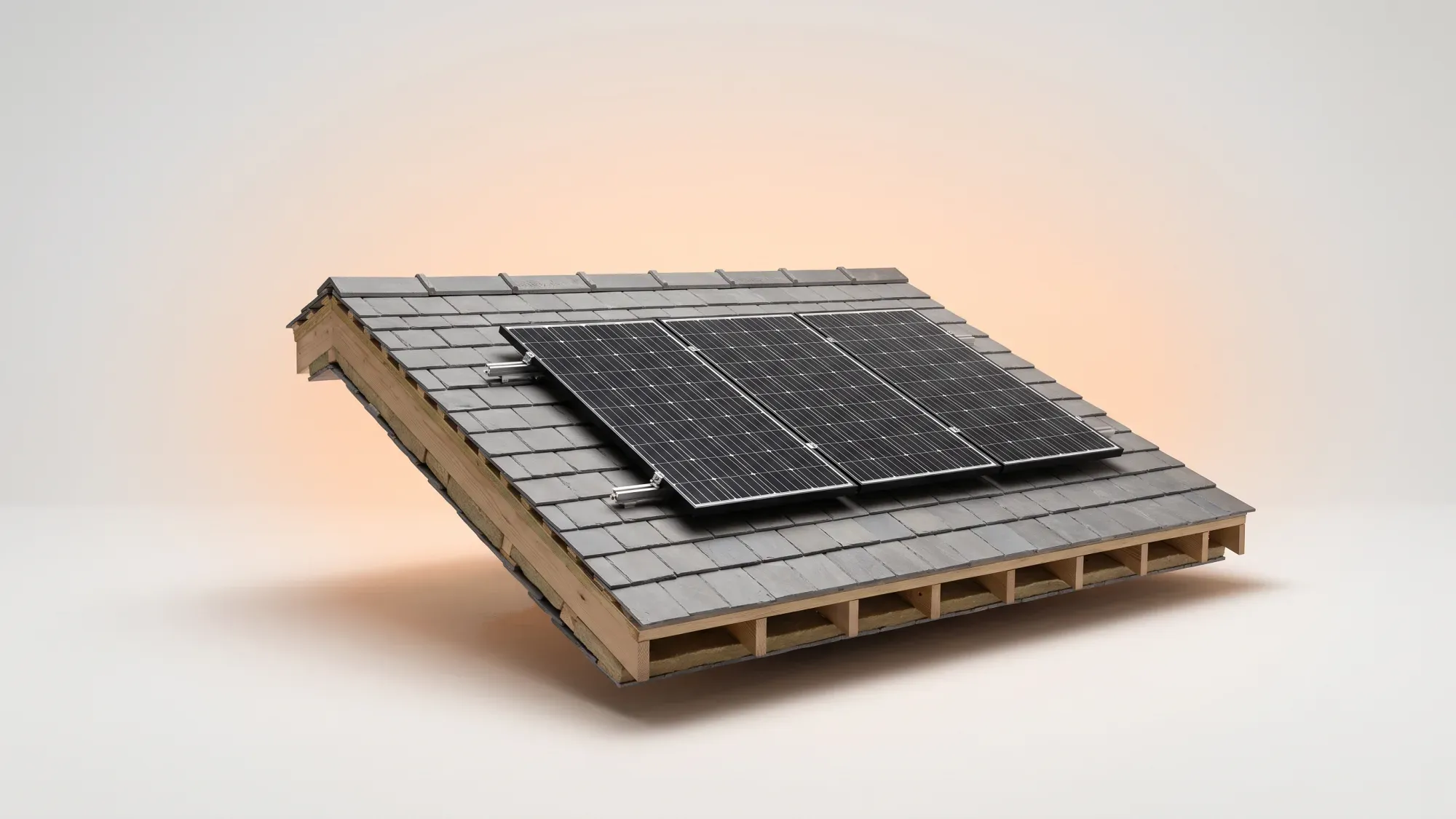
For homeowners in Burnley, installing solar panels offers a clear path to energy independence. While the North West of England, including Burnley, receives fewer direct annual sunlight hours than the south, solar photovoltaic (PV) systems still effectively generate power from diffuse daylight. This makes solar a viable and valuable investment, especially when considering local factors like housing stock and energy infrastructure. Choose an MCS and TrustMark certified installer. They should handle planning approvals, DNO applications, paperwork, installation and final checks.
The Burnley solar landscape
Burnley's climate and solar potential
While northern parts of the UK, including Burnley, receive fewer direct annual sunlight hours compared to the south, solar PV systems still effectively generate power from diffuse daylight. This means that even on cloudy days, your panels will be producing electricity. For Burnley homeowners, this highlights the importance of correct roof orientation and the integration of battery storage to maximise energy capture and self-consumption. You can learn more about how solar panels work on cloudy days to understand their efficiency in varied weather.
Typical Burnley housing stock and suitability
Burnley's housing stock is diverse, ranging from prevalent Victorian terrace rows to post-war semis and newer estates. Many older properties, particularly solid-wall terraces, can be well-suited for solar installations, especially if their rear roof pitches face south. Even east-West facing roofs can accommodate split-array installations to capture morning and afternoon sun. Assessing your specific roof space, its orientation, and any potential shading from surrounding buildings or trees is the first step in determining suitability.
Benefits of solar panels for Burnley homes
Reducing energy bills
Installing solar panels can significantly reduce your household energy bills. By generating your own electricity, you become less reliant on grid power, especially during peak demand times. Any surplus electricity you generate can also be exported back to the grid, earning you payments through schemes like the Smart Export Guarantee (SEG). Homeowners in Burnley, located in the North West England electricity distribution region, face energy prices set by Ofgem's quarterly price cap, making any reduction in consumption directly impactful on your outgoings. Understanding the average monthly electric bill with solar panels can help you estimate your potential savings.
Increasing energy independence
Generating your own power provides a greater degree of energy independence. This means more control over your energy supply and less vulnerability to fluctuating energy prices. Pairing solar panels with battery storage further enhances this independence, allowing you to store excess energy produced when the sun is shining for use in the evenings or during periods of high demand.
Environmental impact
Beyond financial savings, installing solar panels contributes to a reduction in your carbon footprint. By using renewable energy, you decrease your reliance on fossil fuels, helping to combat climate change and promote a cleaner, more sustainable energy future for Burnley and beyond.
Understanding the installation process
Initial assessment and design
The journey to solar begins with a professional assessment of your home. An MCS and TrustMark certified installer will evaluate your roof's suitability, considering factors like size, angle, orientation, and shading. They will also assess your typical energy consumption to design a system that meets your needs. This initial design phase is crucial for optimising your system's efficiency and ensuring it aligns with your energy goals. For a tailored quote, an installer typically needs a clear photo of your roof, a photo of where the battery should go, and a photo of your electricity meter, consumer unit, and main fuse. The team then reviews these photos, assesses compatibility, and provides system options and quotes.
The role of Electricity North West (DNO)
For Burnley residents, the local Distribution Network Operator (DNO) is Electricity North West. Any new solar or battery grid connection in Burnley must be notified to Electricity North West under the G98/G99 process. This regulatory requirement ensures the safe and proper connection of your microgeneration system to the wider electricity grid. Reputable installers, including Fuse Energy, typically handle this application process on your behalf, liaising directly with Electricity North West. In the event of a power cut, Burnley residents can dial the free national number 105, which routes directly to Electricity North West.
Installation timeline
The typical timeline for solar panel installation can vary depending on the complexity of the system and the installer's schedule. Generally, the entire process, from initial enquiry to final commissioning and grid connection approval, typically takes between 2 and 12 weeks. The physical installation of panels and associated equipment usually takes 1 to 3 days. Factors such as DNO approval can influence the overall duration.
Financial incentives and local considerations
0% VAT on solar and battery storage
A significant financial incentive for homeowners across Great Britain is the 0% VAT rate on solar panel and battery storage installations. This measure has been in place since April 2022 and is set to continue until at least 31 March 2027, making it a particularly opportune time to invest in solar technology. This reduction directly lowers the upfront cost of your installation.
The Smart Export Guarantee (SEG)
The SEG scheme mandates larger energy suppliers to offer tariffs for surplus electricity exported to the grid. This means that if your solar panels generate more electricity than you use, you can get paid for sending that excess power back into the National Grid. To qualify for the SEG, your solar installer must have MCS certification.
What is the SEG?
The SEG is a UK government-backed scheme that requires licensed electricity suppliers to pay small-scale low-carbon generators for the electricity they export to the National Grid. This means homeowners with solar panels can earn money for any surplus energy their system produces and doesn't use.
Regional energy price caps in North West England
Burnley is located within the North West England electricity distribution region. Ofgem sets the energy price cap per region, which is updated quarterly (on 1 January, 1 April, 1 July, and 1 October). This regional pricing means that the unit rates and daily standing charges for electricity can differ from other parts of the UK, making local energy savings calculations particularly relevant for Burnley homeowners.
Maximising your solar investment
The importance of battery storage
For homes in northern climates like Burnley, battery storage is a key component for maximising the benefits of solar panels. While solar panels effectively generate power from diffuse daylight, battery storage allows you to capture and store excess energy produced during daylight hours. This stored energy can then be used during the evenings, on cloudy days, or when electricity prices are higher, significantly increasing your self-consumption and reducing your reliance on grid electricity.
Optimising roof orientation and panel placement
To get the most out of your solar panels, optimising their placement is crucial. South-facing roofs typically offer the best performance, but east and West-facing roofs can also be highly effective, especially when combined with battery storage to balance energy capture throughout the day. Your installer will consider factors like roof pitch, shading, and available space to recommend the most efficient layout for your property. For more details on the process, explore our guide to solar panel installation.
Choosing the right solar installer in Burnley
Selecting a reputable and qualified solar installer is paramount for a successful and trustworthy investment.
Why MCS certification matters
MCS (Microgeneration Certification Scheme) certification for installers is crucial for several reasons. Firstly, it assures you that the installer meets high standards of quality and competence. Secondly, and critically for homeowners, MCS certification is required for you to qualify for government-backed schemes like the SEG. Without an MCS-certified installer, you would not be eligible to receive payments for your exported solar electricity. Choose an MCS certified installer.
Questions to ask potential installers
When researching solar panel installers in Burnley, ask about their experience with similar properties in the area, their MCS certification, and whether they handle the DNO application process with Electricity North West. Inquire about the types of panels and battery storage systems they offer, their warranties, and after-sales support. A transparent installer will provide clear, itemised quotes and explain the expected savings and payback period for your specific installation.
Ready to take control of your energy bills and reduce your carbon footprint? Fuse Energy makes switching to solar simple and transparent. With clear pricing, real-time usage data in our app, and 24/7 human customer support, we're here to help you every step of the way. A certified installer typically handles the process from initial assessment to final checks.
Disclaimer
For the avoidance of doubt, this article is provided for informational purposes only and is not intended to constitute legal or financial advice. The author and/or Fuse Energy shall not be responsible for any losses arising out of any reliance on the information contained herein.