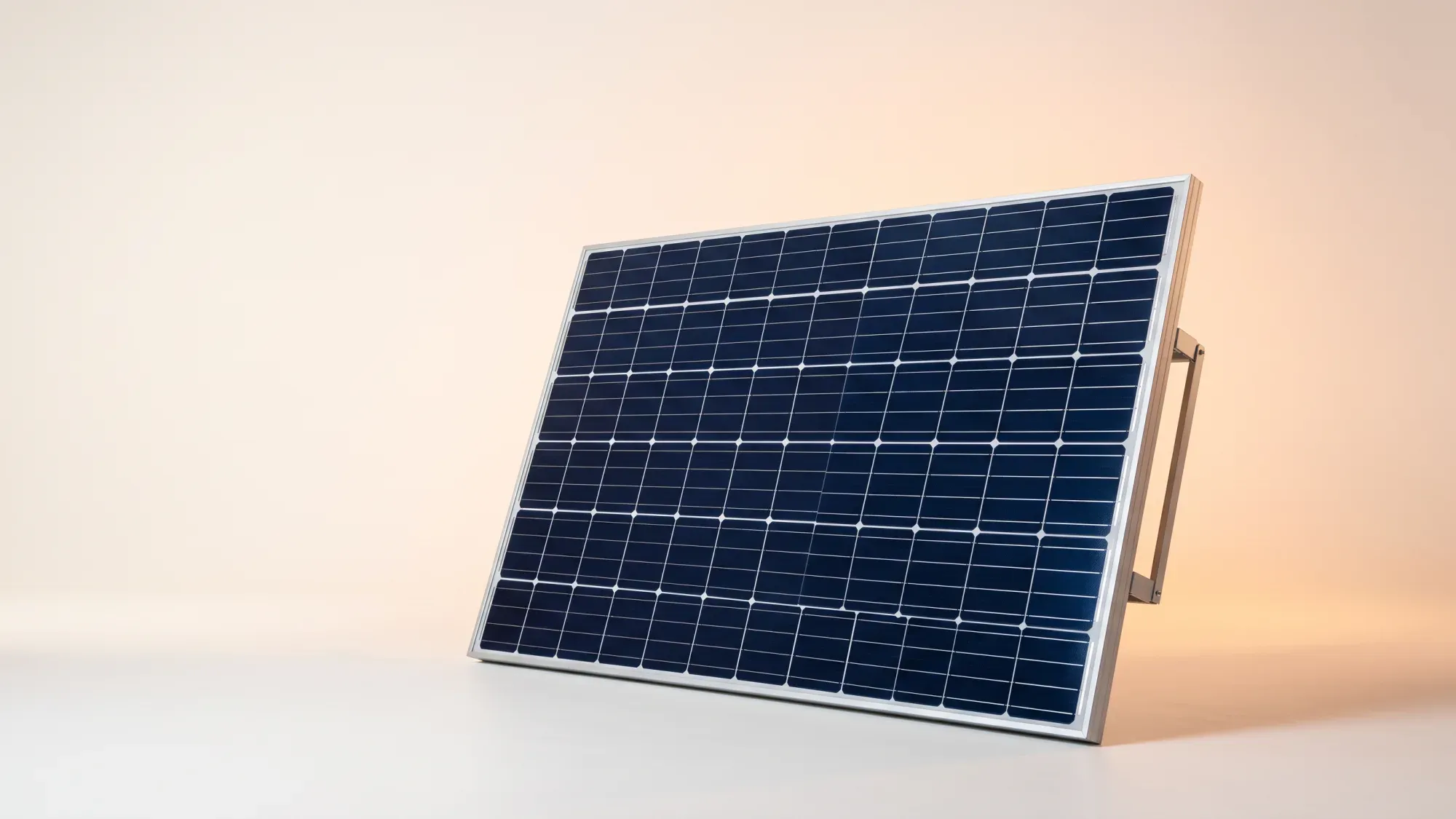
The FiT scheme, while closed to new entrants since 1st April 20191, guarantees payment for existing contracts, with many running for 20 to 25 years. However, recent policy proposals, coupled with the rise of the new Smart Export Guarantee (SEG), have caused confusion and concern about the scheme's future value.
Take the stress out of finding the right tariff. With Fuse Energy, we'll help you choose the best option for your home; simple, clear, and tailored to you. Enjoy transparent pricing, real-time half-hourly usage data, 24/7 human customer support, and a modern energy experience designed around you. Switch to Fuse Energy today in as little as 3 minutes, start saving on your bills, and see how simple energy can be.
A quick checklist to understand your FiT
- Locate and validate your original FiT contract details.
- Avoid switching to an SEG tariff without a detailed, long-term financial comparison.
- Ensure your smart meter is sending regular readings to your FiT provider.
- Investigate smart energy solutions, like solar battery storage, to increase your energy self-consumption.
The most important thing to understand is that your existing FiT contract is legally binding and will run its full term, either 20 or 25 years. This financial guarantee is why caution is necessary when considering alternative options, as the stability of the FiT is often superior for the long term compared to newer schemes. Many homeowners only focus on the total amount they receive annually, but understanding the source of these payments is crucial.
The payments you receive are not a single sum but come from two distinct streams:
- Generation tariff: Payment for the electricity you've generated
- Export tariff: Payment for the amount of electricity you've exported to the grid2. Exporting here refers to the amount of electricity sent from your property to the grid.
Each stream is calculated differently. Being aware of these streams helps you identify where you can take action to increase your overall revenue from the system.
The introduction of the SEG has created confusion, leading many FiT holders to question whether they should switch. In most cases, switching is not financially beneficial.
The SEG differs significantly:
- It only pays for exported electricity and not generated electricity.
- Rates are variable and often lower.
- There is no guaranteed, inflation-linked income.
Switching means giving up the generation tariff, which is typically the most valuable part of your contract. While some SEG rates may look attractive short term, they may lack the long-term stability and guaranteed returns of FiT.
- Losing the guaranteed generation tariff.
- Ignoring the variable nature of SEG export rates.
A proper long-term financial comparison is essential before making any decision.
Managing your energy tariff should be clear and easy to understand. Fuse Energy focuses on straightforward pricing, so you can see exactly what you're paying without unnecessary complexity. Our export tariff offers some of the most competitive rates on the market for homeowners with solar panels, paying 13p per kWh for the electricity you export to the grid. With some of the lowest rates on the market, our tariffs make an attractive choice for bill-payers in the UK. If you have a smart meter, you can also view detailed usage data through the app or website, helping you understand how your tariff translates into actual costs. This can make it easier to track spending and make informed decisions about your energy use. Our 24/7 human support team is always on hand with fast response times of under 5 minutes whenever you need help. Switch to Fuse Energy in as little as 3 minutes and find out about our mission.
Has the FiT scheme ended?
Yes, the scheme closed to new applicants on 1st April 2019. However, existing contracts remain valid and continue for their full term, either 20 or 25 years.
What is the main difference between FiT and SEG?
The major difference between FiT and SEG is that FiT pays for both generated electricity and for exported electricity whereas SEG only pays for exported electricity.
Do I need a smart meter to receive my FiT payments?
No. FiT works with both traditional and smart meters. A smart meter is only required if you switch to SEG.
How can I switch to Fuse Energy?
Switching to Fuse Energy and accessing our tariffs is simple and can be done in as little as 3 minutes by completing the online onboarding process here.
References
- Ofgem. Feed-in Tariffs
- OVO Energy. Feed-in Tariffs