How long do solar panels last?
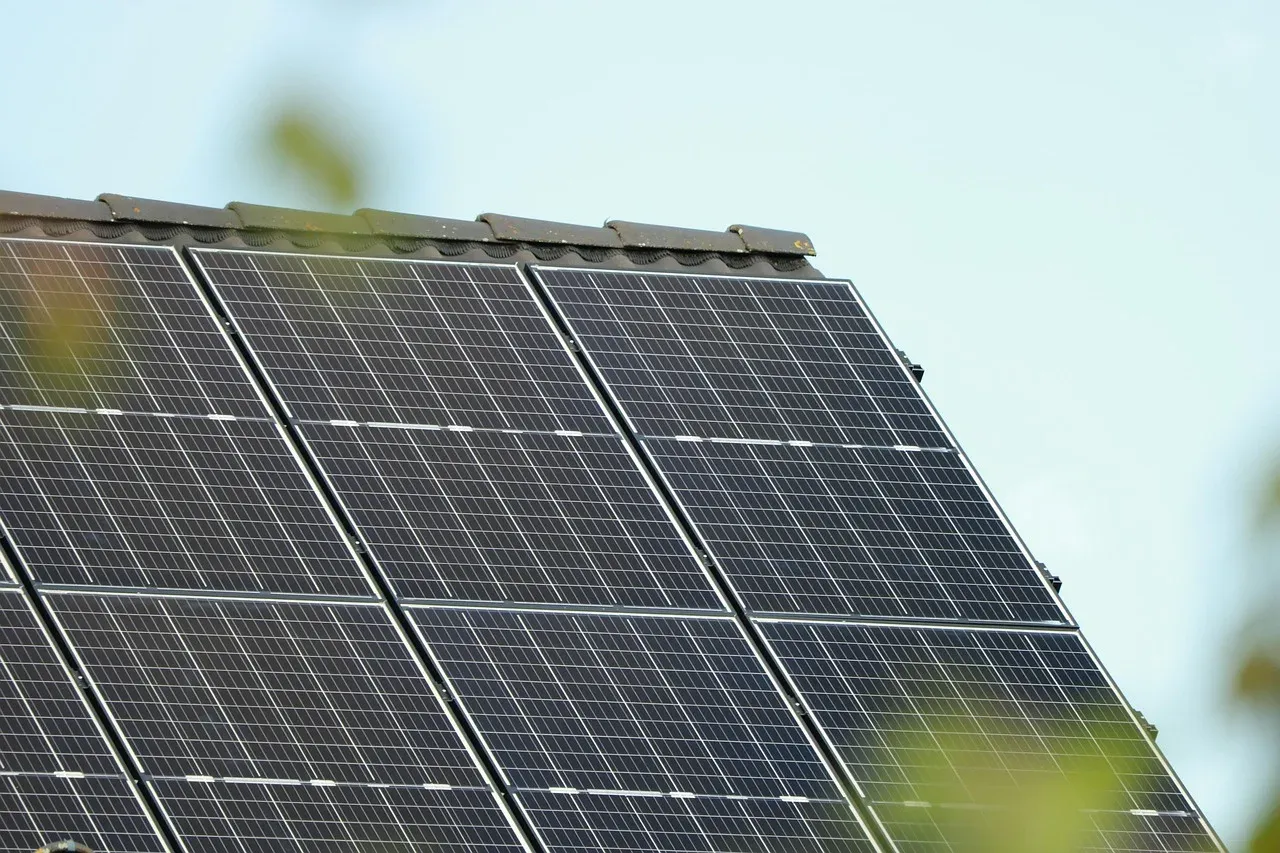
For UK homeowners, investing in solar panels is a significant decision. It's often driven by the desire for lower energy bills, energy independence, and a smaller carbon footprint. A key question that comes up is: what is the lifespan of solar panels? You'll be glad to know that modern solar panels are built to last, offering a robust and reliable source of clean energy for decades. Understanding the expected lifespan of solar panels, along with the longevity of other system components, is crucial for evaluating your long-term investment in the UK. Let's look at how long solar panels truly last and what that means for your home.
Understanding the longevity of your solar panels is key to making a smart investment. With Fuse Energy, you get clear pricing, real-time usage data, 24/7 human customer support, and a modern energy experience designed around you. Switching takes as little as 3 minutes, so you can take control of your bills from day one. Click here to switch to Fuse Energy today and start saving.
The expected lifespan of solar panels: 25 years and beyond
When considering the lifespan of solar panels, it's common to hear figures around 25 years. This often refers to the performance warranty provided by manufacturers, which guarantees that your panels will still produce a certain percentage of their original power output (typically 80-85%) after 25 years. However, the physical lifespan of a solar panel often extends well beyond this, with many systems continuing to generate electricity for 30, 40, or even 50 years.
The reason for this distinction lies in "degradation". All solar panels experience a gradual decrease in efficiency over time, known as the degradation rate. For high-quality panels, this is usually around 0.2% to 0.8% per year. This means that while your panels might produce slightly less electricity each year, they will continue to function effectively for a considerable period, providing a long-term return on your investment. So, while the average lifespan of solar panels is guaranteed for 25 years, their operational life can be much longer.
Factors influencing solar panel longevity in the UK
Several factors contribute to the overall lifespan of solar panels, particularly in the unique climate of the UK.
- Panel quality: The brand and quality of the solar panels themselves play a huge role. Reputable manufacturers use durable materials and rigorous testing to ensure their products withstand the elements. Both monocrystalline solar panels and polycrystalline solar panels are designed for longevity, with monocrystalline generally offering slightly higher efficiency.
- Installation quality: Proper installation by an accredited professional is paramount. A well-installed system will be securely mounted, correctly wired, and less susceptible to damage from wind or other weather conditions, directly impacting the lifespan of roof solar panels.
- Environmental conditions: While the UK climate might seem challenging, modern photovoltaic (PV) solar panels are designed to endure various weather conditions, including rain, wind, and temperature fluctuations. In fact, cooler temperatures can sometimes improve efficiency. Extreme heat, which can accelerate degradation in very hot climates, is less of a concern here.
- Maintenance: Solar panels require relatively little maintenance. Occasional cleaning to remove dirt or debris, along with regular visual inspections, can help ensure optimal performance and identify any potential issues early, contributing to the overall lifespan of a solar panel.
- Monitoring: Regularly monitoring your system's performance allows you to detect any unexpected drops in output, which could indicate a problem that needs addressing. This proactive approach helps maintain the expected lifespan of solar panels.
Lifespan of your full solar system: inverters and batteries
While the solar panels themselves boast an impressive lifespan, it's important to remember that a complete solar energy system comprises other crucial components with different lifespans.
- Solar inverters: The inverter is a vital piece of equipment that converts the direct current (DC) electricity generated by your panels into alternating current (AC) electricity usable in your home. The solar panel inverter lifespan is typically shorter than the panels, usually ranging from 10 to 15 years. You'll likely need to replace your inverter at least once, possibly twice, during the lifetime of your solar panels.
- Solar batteries: If you've opted for a solar battery storage system, the solar panel battery lifespan generally falls between 5 and 15 years, depending on the battery chemistry, usage patterns, and manufacturer. Lithium-ion batteries, common in UK homes, typically last 10 to 15 years. As battery technology advances, these lifespans are continually improving.
Factoring in the replacement costs for these components is an important part of understanding the true long-term investment value of your solar panel system.
Maximising your long-term solar investment with Fuse Energy
Understanding how long solar panels last is just one piece of the puzzle. For UK homeowners, the real value comes from maximising your long-term solar investment. While Fuse Energy focuses on providing smart, sustainable energy supply and advanced billing solutions, we can help you get the most out of your solar journey.
We empower you to understand the financial impact of your solar panel lifespan and performance. Our detailed billing insights, drawn from your consumption data, can help you understand your overall energy usage and how it impacts your bills, complementing your solar generation. We can help you track how any earnings from our export tariff contribute to your financial returns, even as your panels experience natural degradation.
Fuse Energy is your trusted partner in navigating the complexities of home energy management. By providing clear, unbiased information and tools to monitor your energy usage, we help you make informed decisions that enhance the long-term value of your solar panels. We believe in empowering homeowners to achieve greater energy independence and maximise the benefits of their sustainable choices.
Disclaimer
For the avoidance of doubt, this article is provided for informational purposes only and is not intended to constitute legal or financial advice. The author and/or Fuse Energy shall not be responsible for any losses arising out of any reliance on the information contained herein.