How do solar panels work for your home?
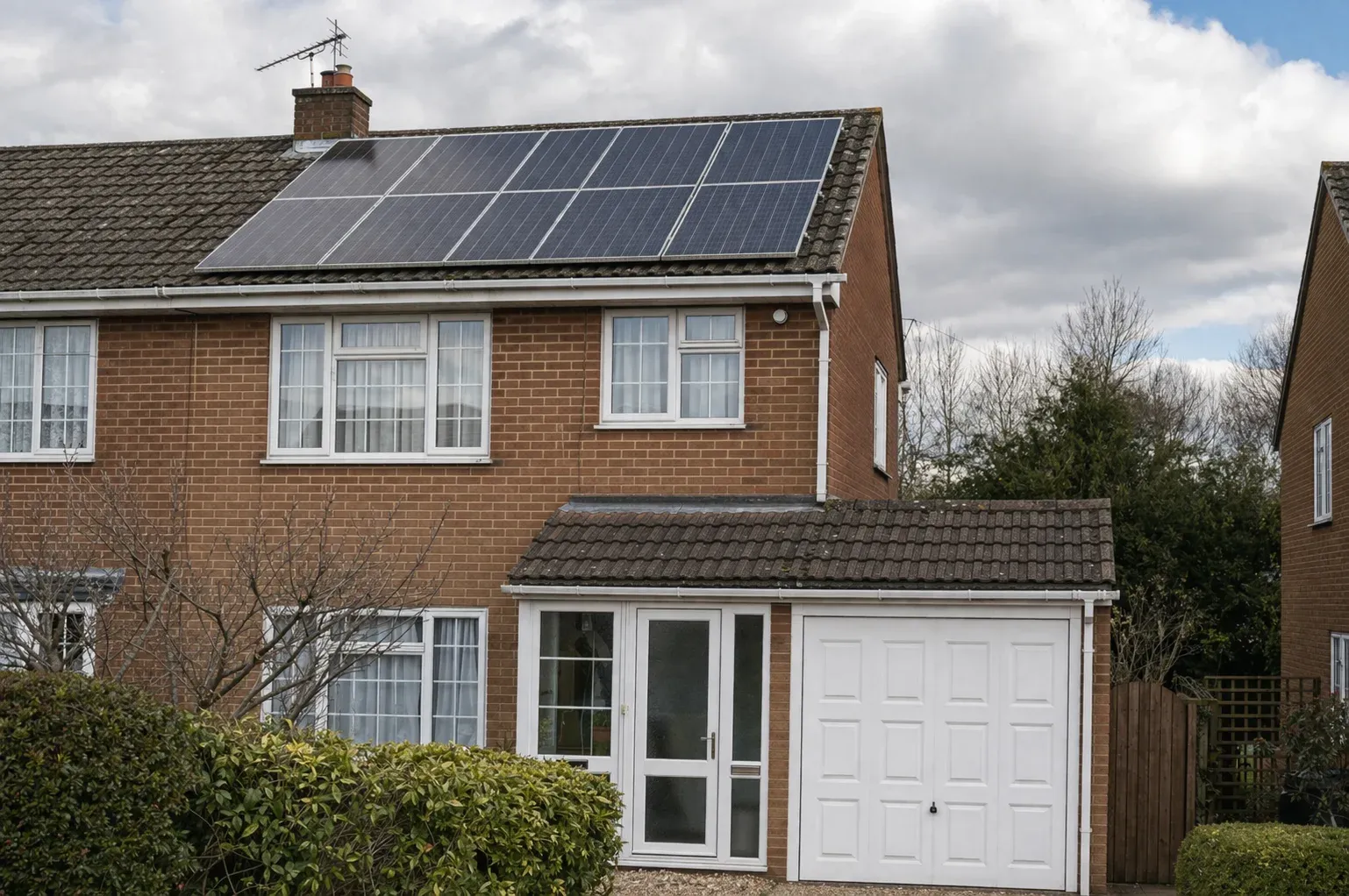
Installing solar panels on your home is a strategic move that can transform how you power your life. It is a power play, giving you more control over your energy and unlocking a future with abundant power to play with. But how exactly do these rooftop devices convert sunlight into usable electricity for your home?
Understanding the basics of home solar power
Homeowners across the UK are increasingly looking to solar energy, not just for environmental reasons, but for the tangible benefits of energy independence and reduced bills. Understanding the fundamentals of how solar panels work is the first step in making this smart choice for your home.
Why homeowners are turning to solar
The appeal of solar power lies in its ability to harness a free, renewable resource - sunlight - and convert it into electricity. This shift empowers homeowners to generate their own energy, moving away from reliance on traditional energy sources and their fluctuating costs. It is about taking charge of your home's energy future.
The core idea: sunlight to electricity
At its heart, solar power is about transforming light into electrical energy. Solar panels, typically installed on your roof, capture sunlight and initiate a process that ultimately delivers clean, usable electricity directly to your home. This conversion happens through a fascinating scientific principle known as the photovoltaic effect.
The science behind your solar panels
The magic of solar panels lies in their ability to convert light directly into electricity, a process that sounds complex but is built on fundamental physics.
The photovoltaic effect explained
Solar panels are made up of individual solar cells, primarily composed of silicon. When sunlight, which consists of tiny packets of energy called photons, strikes these cells, it excites electrons within the silicon. This excitement causes the electrons to break free from their atoms. The design of the solar cell creates an electric field that pushes these freed electrons in a specific direction, generating an electric current. This phenomenon is known as the 'photovoltaic effect'.
From silicon to electrons
Each solar cell acts like a tiny power generator. By connecting many of these cells together in a solar panel, and then connecting multiple panels, a significant amount of direct current (DC) electricity can be produced. This DC electricity is the raw output of the panels, ready to be converted into the form your home can use.
Key components of a residential solar system
A complete home solar system involves more than just the panels on your roof. Several crucial components work in harmony to ensure your home is powered efficiently.
Solar panels: the energy harvesters
These are the most visible part of your system, designed to capture as much sunlight as possible. Modern solar panels are durable and built to withstand UK weather conditions, efficiently collecting solar energy even on cloudy days.
The inverter: DC to AC conversion
The electricity generated by solar panels is direct current (DC), but most household appliances and the National Grid operate on alternating current (AC) electricity. This is where the solar inverter comes in. It is a crucial component that changes the DC electricity produced by your solar panels into AC electricity, making it compatible with your home's electrical system. Without an inverter, the solar electricity would be unusable for most of your devices.
Mounting systems and wiring
Panels are securely attached to your roof using a mounting system, designed to withstand wind and weather. High-quality wiring connects the panels to the inverter and then to your home's consumer unit, ensuring safe and efficient transfer of electricity.
Optional: home battery storage
While not strictly necessary for every system, a home battery system allows you to store any excess electricity generated by your panels for later use. This is particularly useful for powering your home at night or during periods of low solar generation, further increasing your energy independence.
How solar electricity powers your home
Once your solar panels are generating electricity, a clear pathway directs this power to where it is needed most: your home.
The flow of power: panels to appliances
The process is straightforward:
- Sunlight strikes the photovoltaic cells in your solar panels, generating DC electricity.
- A solar inverter converts this DC electricity into usable AC electricity.
- The AC electricity then flows to your home's consumer unit (fuse box) to power your appliances directly.
If your panels are generating more electricity than your home needs at that moment, the excess energy does not go to waste.
What happens to excess energy: battery or grid?
Any surplus AC electricity generated by your solar panels can be managed in two main ways:
- Battery storage: If you have a home battery system, excess electricity is diverted to charge the battery. This stored energy can then be used later, for example, to power your home after sunset.
- grid export: If your battery is full, or if you do not have one, the excess electricity is automatically exported to the National Grid.
Understanding the Smart Export Guarantee (SEG)
Homeowners in the UK can earn money by exporting their surplus solar electricity to the National Grid through the Smart Export Guarantee (SEG) scheme. This government-backed initiative mandates that larger energy suppliers pay homeowners for each unit of electricity they export. To be eligible for SEG payments, your solar panel installation must typically be carried out by an MCS certified installer and you will need a smart meter capable of providing half-hourly export readings. Many homeowners find that a smart meter installation helps them track their energy usage and export more effectively.
What is the SEG?
The SEG is a UK government scheme that ensures energy suppliers pay homeowners for surplus renewable electricity exported to the National Grid. It requires eligible installations to be MCS certified and have a smart meter for half-hourly readings, allowing you to earn from your excess solar power.
Solar panel performance in the UK
A common concern for UK homeowners is whether solar panels are effective given the country's often cloudy weather. The good news is, they are.
Do solar panels work on cloudy days?
Solar panels generate electricity from light, not just direct sunshine. This means they can still produce power on cloudy days or in lower light conditions, though their output will be reduced compared to bright, direct sunlight. The UK receives enough daylight throughout the year for solar panels to be a worthwhile investment, consistently contributing to your home's energy supply.
Generating power at night: the role of storage
Solar panels do not generate electricity at night because there is no sunlight. However, this does not mean your home goes without solar power after dark. This is where home battery storage becomes invaluable, allowing you to use the energy generated during the day. Alternatively, if you do not have a battery, your home will draw electricity from the National Grid at night, just as it would without solar panels.
Seasonal variations and efficiency
Solar panel output naturally varies with the seasons. They will generate more electricity in the longer, brighter days of summer and less during the shorter, darker winter months. However, even in winter, they continue to contribute to your energy needs, and any shortfall can be covered by drawing from the grid or using stored battery power.
Making the power play: benefits of home solar
Embracing home solar power is more than just an energy choice; it is a strategic 'power play' that offers multiple benefits for homeowners.
Reducing your electricity bills
By generating your own electricity, you reduce the amount you need to buy from the grid, directly lowering your energy bills. The average UK home uses around 2,500 kWh of electricity per year1, and solar panels can significantly offset this consumption. Any excess electricity you export can also earn you money through the SEG, further enhancing your savings. Understanding your energy bill can help you see the impact of solar generation.
Gaining energy independence and control
Solar panels put the power back in your hands. You become a producer, not just a consumer, of electricity. This reduces your vulnerability to energy price hikes and gives you greater control over your home's energy supply. With battery storage, you can even achieve a significant degree of energy self-sufficiency.
Contributing to a cleaner energy future
Choosing solar power means you are actively reducing your household's carbon footprint. You are contributing to a cleaner, more sustainable energy system for the UK, aligning with a future where abundant, clean energy is the norm.
Most roof-mounted solar panel installations in England and Wales do not require planning permission, provided they meet certain criteria regarding size and placement. For eligibility for government-backed schemes like the SEG, solar panel installations must typically be carried out by an MCS certified installer. MCS certification ensures that both the products and the installation meet rigorous quality and safety standards.
References
Disclaimer
For the avoidance of doubt, this article is provided for informational purposes only and is not intended to constitute legal or financial advice. The author and/or Fuse Energy shall not be responsible for any losses arising out of any reliance on the information contained herein.