How many solar panels do I need?
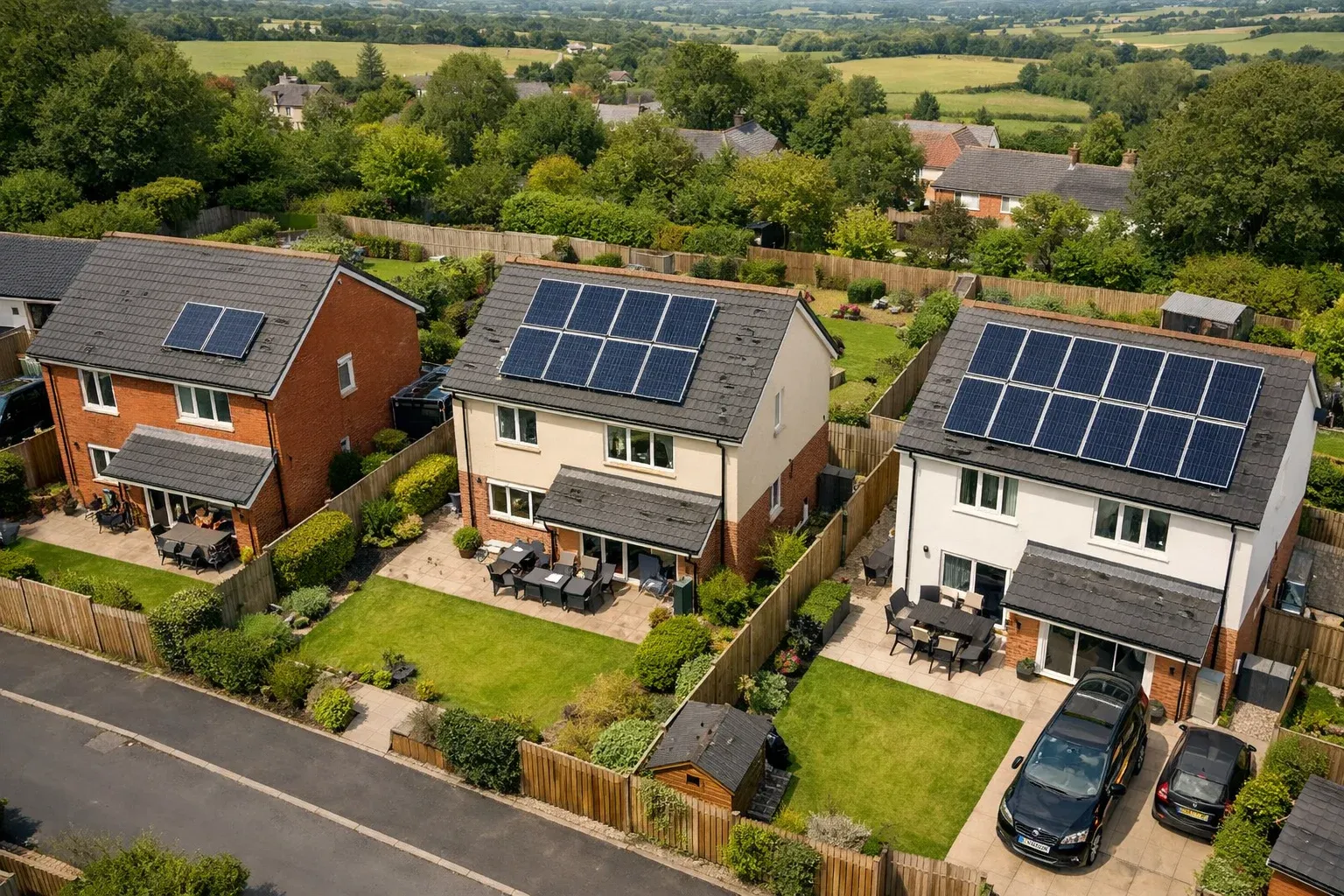
Determining the optimal number of solar panels for your home is a key first step towards energy independence and gaining control over your power. For many UK homes, a system of around 5-6 standard 400W solar panels can be sufficient to meet an average annual electricity consumption of 2,500 kWh. However, this figure is a starting point; your specific needs will depend on several factors, from your energy habits to your roof's characteristics.
Understanding your energy consumption
Before you can calculate your solar panel needs, you must understand how much electricity your household uses. This isn't just about current consumption but also anticipating future demands.
Calculating your annual electricity usage
The most accurate way to gauge your energy needs is by reviewing your past electricity bills. Look for your annual kilowatt-hour (kWh) consumption, which is usually listed on statements or accessible through your energy provider's online portal. If you only have monthly data, sum up the last 12 months to get a clear annual total.
The average UK home uses approximately 2,500 kWh of electricity per year, which breaks down to roughly 6.8 kWh per day. This figure, set by Ofgem1, serves as a benchmark, but individual usage can vary significantly based on factors like property size, number of occupants, and appliance use.
Accounting for future energy demands
Your energy needs aren't static. Consider how your household's electricity consumption might change in the coming years. Are you planning to purchase an electric vehicle (EV) and install a home charger, or perhaps you're interested in EV charging at home? Will you be replacing a gas boiler with an electric heat pump? These upgrades can substantially increase your electricity demand, making it wise to factor them into your solar panel calculations now. Planning for these future additions ensures your solar system remains effective and provides ample "power to play with" as your lifestyle evolves.
Key factors influencing solar panel requirements
Several elements beyond your energy consumption dictate how many solar panels you'll need. Understanding these can help you maximise your system's efficiency and output.
Roof size and orientation
Your roof is the foundation of your solar system. Its available space dictates the maximum number of panels you can install, while its orientation significantly impacts how much sunlight those panels receive. South-facing roofs generally offer the best performance in the UK, capturing the most direct sunlight throughout the day. East and west-facing roofs can still be effective, providing power earlier or later in the day, but may require more panels to achieve the same output as a south-facing array. Pitched roofs are common, but flat roofs can also accommodate panels with appropriate mounting systems.
Panel efficiency and wattage
Modern residential solar panels in the UK typically range from 250W to 450W per panel. Higher wattage panels convert more sunlight into electricity, meaning you might need fewer of them to meet your energy targets, which is particularly beneficial if your roof space is limited. While higher wattage panels might have a greater upfront cost, they can offer better long-term value by generating more power within a smaller footprint.
Local sunlight hours and shading
The amount of sunlight your property receives throughout the year is crucial. The UK's average peak sun hours vary by region, with southern areas generally receiving more sunshine than northern ones. Shading from nearby trees, chimneys, or neighbouring buildings can also reduce a panel's output, even for short periods. A reputable installer will assess these factors during a site survey to ensure your panels are positioned for optimal performance.
How to calculate your solar panel needs
Estimating your solar panel requirements involves a straightforward process that combines your energy usage with the potential output of the panels.
Step-by-step calculation
- Determine your daily electricity usage: Divide your annual kWh consumption by 365 days. For an average UK home using 2,500 kWh annually, this is approximately 6.8 kWh per day.
- Estimate daily panel output: A 400W solar panel in the UK can produce around 1.2 to 1.6 kWh per day, though this varies with sunlight hours and conditions.
- Calculate the number of panels: Divide your daily electricity usage by the estimated daily output per panel. For example, if you need 6.8 kWh per day and each 400W panel produces an average of 1.4 kWh, you would need approximately 5 panels (6.8 kWh / 1.4 kWh per panel ≈ 4.86 panels, rounded up to 5).
How many solar panels does an average UK home need?
An average UK home, consuming around 2,500 kWh of electricity annually, typically requires 5-6 standard 400W solar panels to meet its energy demands. This estimate can vary based on factors like roof orientation, local sunlight hours, and individual panel efficiency.
Common system sizes
Solar panel systems are often referred to by their peak power output in kilowatts (kW). Common residential system sizes in the UK range from 2kW to 5kW, with 4kW often considered ideal for most homes. For instance, a 4kW system, typically comprising 8 to 10 panels, can generate approximately 3,400-4,200 kWh per year, covering a significant portion of an average home's usage. The right system size for you will balance your energy needs, available roof space, and budget.
Integrating battery storage
While not directly reducing the number of panels you need, integrating battery storage significantly enhances the value of your solar system. Batteries allow you to store surplus electricity generated during the day and use it later, such as in the evenings when your panels are not producing power. This increases your self-consumption of solar energy, reducing reliance on the grid and optimising your savings. It also allows you to make the most of the Smart Export Guarantee by exporting power when rates are most favourable.
Beyond the numbers: practical considerations
Calculating the number of panels is just one part of the journey. Several practical and regulatory aspects need attention before installation.
Planning permission and regulations
In England and Wales, installing solar panels on your home is generally considered 'permitted development', meaning you typically won't need to apply for planning permission. However, certain conditions apply, such as panels not protruding more than 200mm from the roof surface or not being installed above the highest part of the roof (excluding chimneys).
Exceptions exist for properties in conservation areas or listed buildings, where planning permission and/or listed building consent are usually required. In these cases, the installation must not negatively affect the building's architectural integrity or the area's character. It's always best to check with your local planning authority to confirm the specific requirements for your property.
Finding a reputable installer
Choosing a qualified and reputable solar installer is crucial for a successful installation. Look for installers certified under the Microgeneration Certification Scheme (MCS), as this ensures they meet industry standards for quality and competence. An MCS certificate is also a requirement for accessing the Smart Export Guarantee. Obtain detailed quotes from several providers to compare options and ensure you're getting a fair price for a system that meets your needs.
The Smart Export Guarantee
The Smart Export Guarantee (SEG) is a government-backed scheme that allows homeowners to receive payments for any surplus electricity their solar panels export to the National Grid. Under the SEG, large energy suppliers (those with over 150,000 domestic customers) are mandated to offer a tariff for exported electricity, and this rate must always be above zero. This means you can earn money from the clean energy you generate but don't use, further enhancing the financial benefits of going solar. To participate, you'll need an MCS certificate and a smart meter that records your exported electricity. If you don't have one, you might consider a smart meter installation.
Making your solar power play with Fuse Energy
Understanding your solar potential is the first step in a strategic "power play" towards energy independence and reduced bills. Fuse Energy is here to make your energy management straightforward once your solar system is in place.
References
Disclaimer
For the avoidance of doubt, this article is provided for informational purposes only and is not intended to constitute legal or financial advice. The author and/or Fuse Energy shall not be responsible for any losses arising out of any reliance on the information contained herein.