UK EV targets: government considers relaxing goals
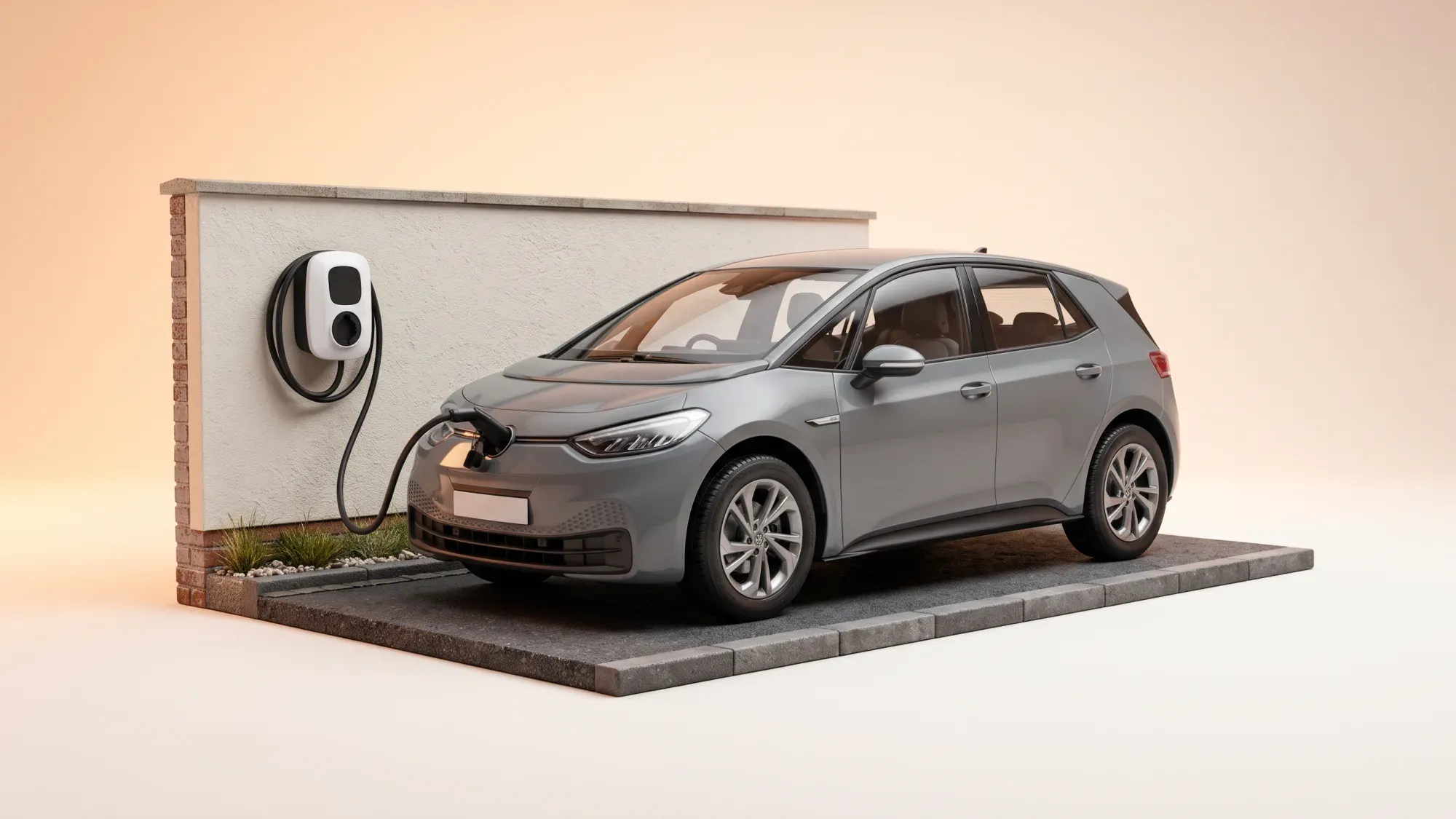
The UK government has launched a consultation to review its Zero Emission Vehicle (ZEV) mandate targets, potentially softening the annual sales requirements for car manufacturers. This comes despite electric vehicle (EV) sales already meeting current goals, record-high oil prices, and increasingly severe climate change impacts across the country1. Critics argue that weakening these targets could undermine the UK's decarbonisation efforts and cost consumers billions, especially as electric cars are becoming more affordable and offer greater energy security.
Powering your EV at home should be simple and cost-effective. Fuse Energy is dedicated to providing abundant, clean energy, making the EV transition not just feasible, but desirable. Click here to switch to Fuse Energy today and take control of your home energy.
Enter your address to get a quote and see how much you could save
Understanding the UK's electric vehicle targets
The UK has established clear targets for the transition to Zero-Emission vehicles, aiming to reduce transport emissions and achieve its net-Zero goals. These targets are designed to accelerate the adoption of electric vehicles and phase out internal combustion engine (ICE) vehicles.
The 2030 and 2035 milestones
The UK government is committed to ensuring 80% of new car and van sales are Zero-Emission by 2030, with the remainder being hybrids, and all new cars and vans required to be fully Zero-Emission by 2035. This ambitious timeline forms a core part of the nation's strategy to combat climate change and improve air quality. While the 2030 and 2035 deadlines remain, the annual trajectory for achieving these goals is currently under review.
The Zero Emission vehicle (ZEV) mandate
The ZEV mandate, which came into law on 3 January 2024, is the primary policy tool to enforce these targets. It requires car manufacturers to sell a rising percentage of Zero-Emission vehicles each year. For example, the mandate set a target of 22% of new car sales to be Zero-Emission in 2024, rising to 33% in 2026, and 80% by 2030, before reaching 100% in 2035. Manufacturers that fail to meet these targets face significant financial penalties, up to £15,000 per non-compliant vehicle, or can purchase credits from manufacturers who exceed their targets. Only battery electric vehicles (BEVs) and hydrogen fuel cell vehicles qualify as Zero-Emission under the mandate; plug-in hybrids do not.
The debate: why targets might be relaxed
Despite the clear framework, the firmness of these EV targets is now under scrutiny, with a government consultation exploring potential adjustments.
Government review and consultation
On 14 August 2026, the UK government launched a consultation to review the ZEV mandate targets, specifically examining whether the annual sales requirements for manufacturers between 2027 and 2035 remain appropriate. The Department for Transport stated that the review aims to ensure targets are "pro-business and grounded in the real world" in light of "challenging and complex global economic conditions, including supply chain disruption and tariff and trade uncertainty". The consultation, which includes four alternative pathways, will consider options that could cut the 2030 target to as low as 50% from the current 80%, while maintaining the 2035 endpoint. The consultation is set to close on 23 October 2026, with results expected in early 2027.
Industry lobbying and concerns
The review follows sustained lobbying from parts of the car industry, which has argued that meeting the existing targets is challenging due to slower-than-expected consumer demand and insufficient charging infrastructure. However, EV sales have been robust, with more than one in four new cars sold in July 2026 being electric, marking a 44.5% increase year-on-year. In the 12 months leading up to May 2026, UK consumers purchased more new battery electric vehicles than petrol cars for the first time. Despite this, some industry bodies, like the Society of Motor Manufacturers and Traders (SMMT), have welcomed the review, suggesting it is a "timely opportunity to adjust the transition".
The broader impact of EV policy decisions
Any changes to the UK's EV targets carry significant implications, extending beyond the automotive sector to affect climate goals, energy security, and household finances.
Climate change and energy security
Weakening EV targets could have serious repercussions for the UK's climate commitments. Prime Minister Andy Burnham, while surveying wildfire damage in West Midlands, starkly warned, "Britain is a tinderbox right now. Setting a fire in any outdoor setting is a risk to people's homes and other people's lives," adding, "This is what climate change looks like, here and now". These comments underscore the urgency of decarbonisation efforts, where electric vehicles play a crucial role in reducing fossil fuel emissions. Softening targets would also necessitate importing an extra 17 million barrels of oil by 2030, increasing the UK's reliance on volatile global energy markets and adding 2.5% to national emissions.
Economic implications for UK consumers
Relaxing EV targets could come at a substantial cost to UK residents. Analysis by Carbon Brief suggests that weakening the ZEV mandate could cost consumers as much as £3 billion a year by 2030. This is largely because electric vehicles are significantly cheaper to run than petrol cars, with savings of around £1,100 per year due to lower fuel costs. If fewer EVs are sold, consumers would miss out on these savings, effectively paying more for transport.
How much could weakening EV targets cost UK consumers?
Weakening the UK's electric vehicle targets could cost consumers an estimated £3 billion a year by 2030. This financial burden would stem from continued reliance on more expensive petrol vehicles, missing out on the substantial running cost savings offered by electric cars.
The role of electric car adoption
Electric cars are increasingly becoming a more accessible and economically sensible choice for UK drivers. New electric vehicles are now, on average, cheaper to buy than petrol cars in the UK, with an average price difference of £785 in favour of electric models. This shift is driven by government support and competitive manufacturer discounting. Furthermore, the rising cost of petrol, averaging £1.62 per litre, and broader geopolitical uncertainties highlight the energy security benefits of transitioning to electric transport. Used EV demand is also strengthening, making electric mobility more affordable across the board. For homeowners looking to install a home charging solution, exploring options for an EV charger installation can further enhance these savings.
Powering the EV transition with abundant energy
Achieving widespread EV adoption requires more than just policy; it demands a robust, modern energy system that can support increased electricity demand. Fuse Energy is committed to building a future where energy abundance makes the EV transition not just feasible, but desirable.
Smart charging and home energy management
For homeowners, the transition to an EV is seamlessly integrated with their home energy system. Smart charging solutions, often managed through intuitive apps, allow EV owners to charge their vehicles when electricity is cheapest and most abundant, typically overnight. This intelligent management of home energy consumption empowers customers, giving them "power to play with" their energy usage and reducing their running costs. Many homeowners also consider a smart meter installation to gain better insights into their energy consumption.
Reducing reliance on fossil fuels
Electric vehicles are central to the UK's efforts to reduce its reliance on fossil fuels and decarbonise transport. By shifting from petrol and diesel to electricity, especially when that electricity comes from renewable sources, the UK can enhance its energy independence and contribute significantly to its climate goals. This aligns with Fuse Energy's core belief: never settle for the scarcity story, but instead build a future with abundant, clean energy.
Building a resilient energy system
Widespread EV adoption necessitates a resilient and modern energy infrastructure. Fuse Energy's approach involves vertically integrating and rebuilding the energy system from scratch, ensuring that there is always enough clean energy to meet demand. This vision supports the infrastructure needed for the UK to meet and exceed its electric vehicle targets, making the future of electric transport robust and reliable.
What this means for UK residents and EV owners
The ongoing debate around EV targets can create uncertainty, but the fundamental benefits of electric vehicles for individuals and the nation remain clear.
Navigating policy uncertainty
While the government consults on potential adjustments to EV targets, the long-term direction towards Zero-Emission transport is set. For UK residents considering an EV, understanding the policy landscape means recognising that the 2030 target for 80% Zero-Emission sales and the 2035 100% Zero-Emission sales goal are still in place. The current review focuses on the interim steps, not the ultimate destination. This means that investing in an EV remains a forward-looking decision that aligns with the UK's energy future.
Empowering your EV journey
Choosing an electric vehicle is a "power play" for homeowners, offering greater control over personal energy consumption and costs. With electric cars now more affordable to buy and significantly cheaper to run, they represent a smart financial decision. Fuse Energy empowers this journey by providing the abundant, cheap, clean energy needed to confidently adopt EVs and manage charging with smart home solutions. This shifts the balance of power to the customer, enabling them to make the most of their electric vehicle.
The future of green transport policy
The UK's green transport policy is at a critical juncture. While the consultation on ZEV mandate targets introduces a degree of uncertainty, the overarching commitment to a Zero-Emission future remains. The continued growth in EV sales, coupled with the clear economic and environmental benefits, suggests that the transition to electric vehicles is an unstoppable force. A robust and abundant clean energy system is not just an aspiration but a necessity to support this transition, ensuring that the UK can meet its climate goals and secure a sustainable energy future for all.
Ready to make a power play with your home energy? Fuse Energy offers clear pricing, real-time usage data, and 24/7 human customer support, all designed to give you more control. Switching is quick and easy, so you can start benefiting from a modern energy experience today. Click here to switch to Fuse Energy. Discover more about our mission to make energy abundant by clicking here.
References
Disclaimer
For the avoidance of doubt, this article is provided for informational purposes only and is not intended to constitute legal or financial advice. The author and/or Fuse Energy shall not be responsible for any losses arising out of any reliance on the information contained herein.