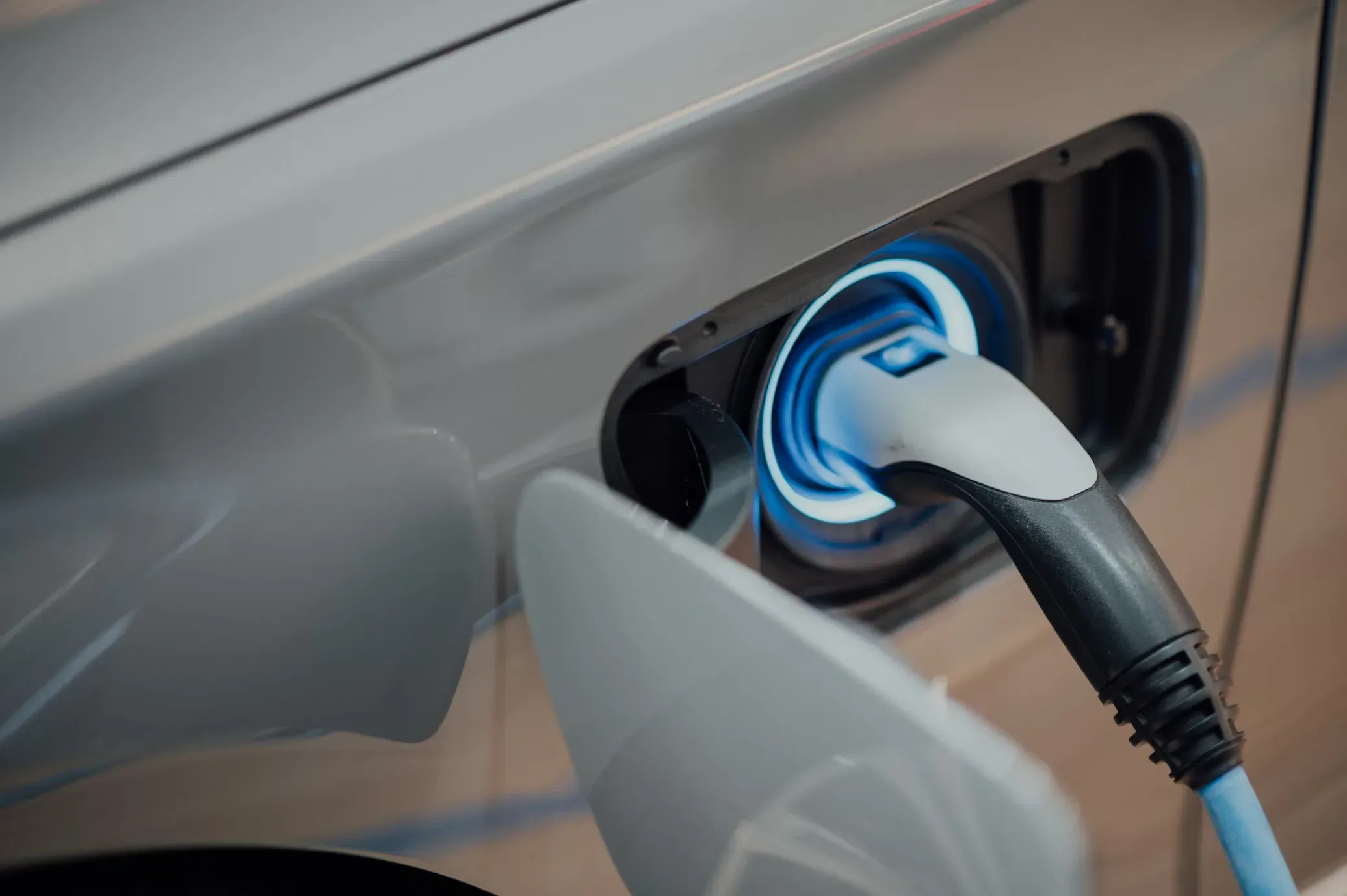
Installing an EV charger at home offers unparalleled convenience and can lead to significant cost savings compared to relying solely on public charging networks. It is a power play, putting you in control of your energy use and future-proofing your home.
Understanding home EV charging
Why install an EV charger at home?
Having an EV charger at home transforms your electric vehicle ownership experience. Instead of planning your day around public charging stations, you can simply plug in overnight, ensuring your car is ready to go each morning. This convenience is a major benefit, alongside the potential for substantial savings on charging costs over time.
Types of EV chargers available
Most home EV chargers in the UK are 7kW units, which are ideal for overnight charging and work with the single-phase electricity supply common in most UK homes. While slower 3kW chargers exist, and faster 22kW units are available, the latter typically require a three-phase supply that is not common in residential properties and can be expensive to upgrade.
Key benefits of home charging
The advantages of home EV charging extend beyond mere convenience. You gain greater control over when and how you charge, often leading to lower electricity costs, especially when paired with smart charging tariffs. It also enhances your home's energy capabilities, making it a more future-ready asset.
The home EV charger installation process
Initial assessment and planning
Before any installation, assess your home's electrical capacity and current charging needs. This involves checking your main fuse rating and ensuring your consumer unit can safely accommodate the new charger. All home EV charger installations must comply with the IET Wiring Regulations (BS 7671) and require notification to the local Distribution Network Operator (DNO).
Notifying your Distribution Network Operator (DNO)
Notifying your DNO is a mandatory step for all new chargepoint installations. This ensures grid stability and allows them to manage local electricity demand effectively. Your chosen installer will typically handle this notification on your behalf, assessing your property's electrical supply and submitting any necessary DNO notifications or applications.
The installation day
On the day, a qualified electrician will install the chargepoint, connect it to your home's electricity supply, and ensure all wiring is safe and compliant. The process usually takes a few hours, depending on the complexity of the setup.
Post-installation checks and setup
After installation, your installer will test the charger and demonstrate its features. They should also provide you with all necessary documentation, including warranty information and proof of compliance.
Costs, grants, and savings
Average installation costs
The cost to install an EV charger at home can vary significantly, typically ranging from £800 to £1,500, depending on the installer, the charger model, and the complexity of the installation. Factors like cable length, the need for electrical upgrades, and the type of surface the cable runs across can all influence the final price.
OZEV EV Chargepoint Grants
The UK government offers financial support through various OZEV EV Chargepoint Grants, which aim to make home charging more accessible and affordable.
The EV Chargepoint Grant for renters and flat owners provides up to £500 towards installing a chargepoint at the property. To qualify, you must own and live in a flat, or rent and live in any residential property, and have private off-street parking.
The EV Chargepoint Grant for households with on-street parking also provides up to £500 towards installing a chargepoint. Eligibility requires you to own or rent the property, only have on-street parking, and be installing a cross-pavement solution, such as a charging gully.
It is important to note that a typical homeowner who owns and lives in a house with private off-street parking does not qualify for any current domestic chargepoint grant. For all current domestic OZEV chargepoint grants, the customer applies for the grant themselves via the GOV.UK eligibility/application page; the OZEV-authorised installer's role begins only after the customer's application is approved.
What is the OZEV EV Chargepoint Grant?
The OZEV EV Chargepoint Grant refers to several schemes offered by the UK government. For domestic users, these include grants for renters and flat owners with private off-street parking, and for households with on-street parking installing a cross-pavement solution. Both schemes provide up to £500 towards the cost of installing a home EV charger, aiming to reduce the upfront expense of setting up a personal charging solution.
Smart charging for long-term savings
Smart charging allows your EV charger to communicate with the grid, optimising charging times to take advantage of lower electricity tariffs, such as off-peak rates. New home EV chargers installed in the UK are legally required to have smart charging functionality. This can lead to substantial savings on your electricity bills over time and helps balance demand on the National Grid.
Choosing the right charger and installer
Selecting the best EV charger for your needs
Consider your vehicle's charging capabilities, your daily mileage, and your home's electricity supply when choosing a charger. Most UK homes are best suited for 7kW chargers, which can fully charge a typical 60kWh EV battery in approximately 8 hours. Look for smart features that allow scheduling and remote control.
Finding a qualified and approved installer
Always choose an installer who is qualified and approved to install EV chargepoints. They should be certified by a recognised body and be able to advise on grant eligibility and DNO notification. It is recommended to obtain quotes from multiple installers to compare costs and services.
Questions to ask potential installers
When speaking to installers, ask about their experience, certifications, warranty on both the charger and installation, and how they advise on grant applications and handle DNO notification. Clarify the total cost, including any potential extra charges for complex installations.
Maximising your home charging experience
Leveraging smart charging features
Once your charger is installed, make the most of its smart features. Use the accompanying app to schedule charging during off-peak hours when electricity is cheaper. This not only saves you money but also contributes to a more stable and efficient energy grid.
Integrating with your home energy system
For even greater control and savings, consider integrating your EV charger with other smart home energy devices, such as solar panels or battery storage. This allows you to charge your EV with self-generated renewable energy, further reducing your reliance on the grid and lowering costs.
Future-proofing your setup
As EV technology evolves, ensure your charging setup is adaptable. Choosing a smart charger with software update capabilities can help keep it current with new features and energy tariffs. This approach supports long-term energy independence and control.
Fuse Energy positions home EV charger installation as a crucial component of a comprehensive 'power play' for UK homeowners, empowering them with control and convenience over their energy future.
For the avoidance of doubt, this article is provided for informational purposes only and is not intended to constitute legal or financial advice. The author and/or Fuse Energy shall not be responsible for any losses arising out of any reliance on the information contained herein.