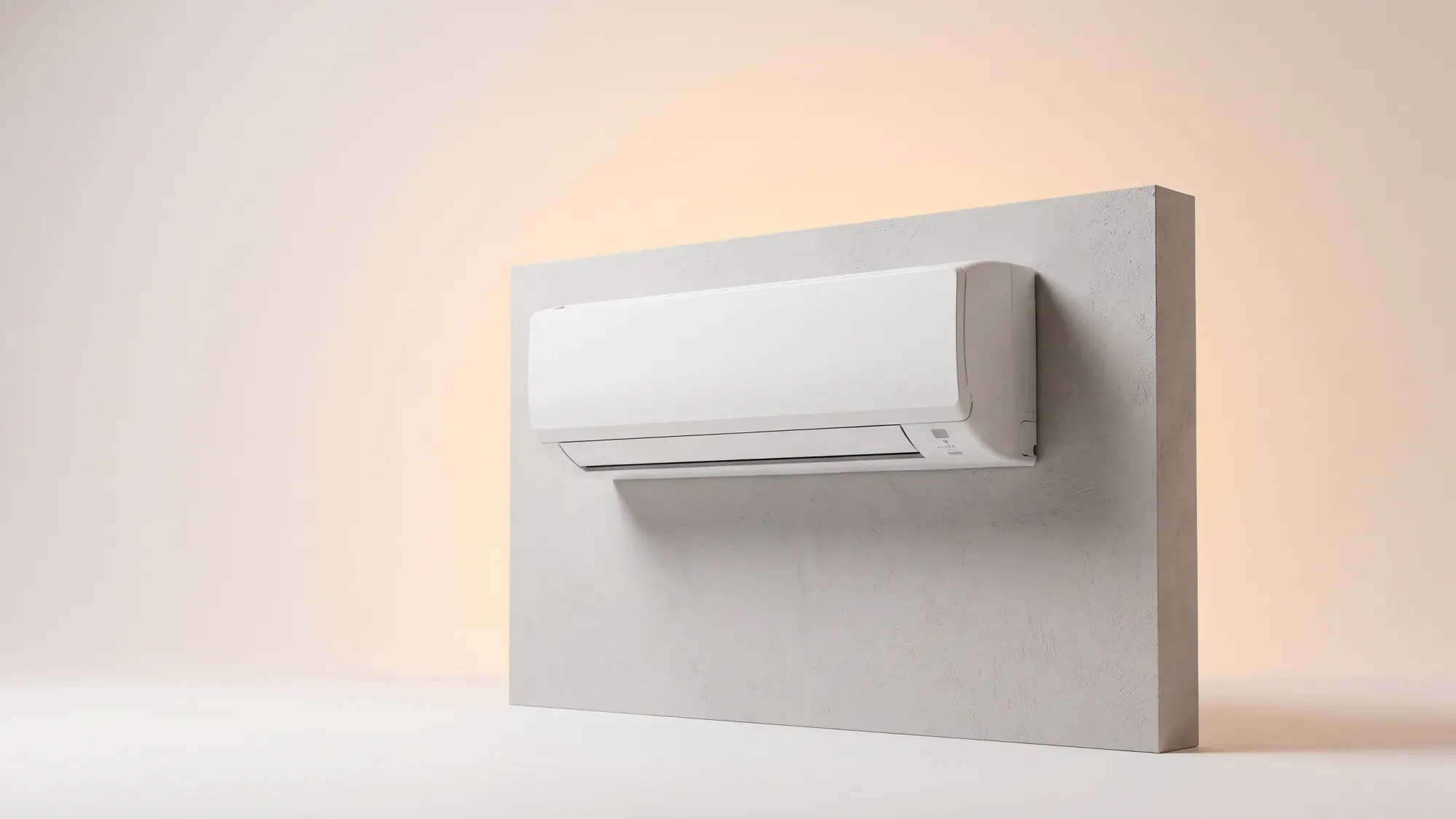
Searches for air conditioning for UK homes have more than doubled, signalling a significant shift in how British households are approaching summer comfort. This surge reflects a growing trend among homeowners to invest in cooling solutions, driven by evolving climate patterns and a desire for enhanced indoor comfort. The shift has implications for household energy consumption, but with smart approaches and abundant energy, comfort doesn't have to come with guilt.
As UK summers get warmer, ensuring your home stays cool is becoming a priority. Fuse Energy is building a future where energy is so abundant and affordable that running your cooling system doesn't lead to constant worry about high bills. Click here to switch to Fuse Energy today and discover smarter energy solutions for your home.
A growing trend: why British households are investing in AC
The demand for home cooling is no longer a niche concern in the UK. Data from August 2026 highlighted that searches for air conditioning for UK homes have more than doubled. This indicates a clear change in homeowner priorities, with the ability to stay cool becoming as important as proximity to good schools or transport links. While air conditioning is still not universal in British homes, its adoption has seen a rapid increase in recent years. This highlights a fundamental re-evaluation of what constitutes a comfortable home environment in the UK.
The impact of summer temperatures and heatwaves
The primary catalyst for this increased demand is the undeniable rise in UK summer temperatures and the growing frequency and intensity of heatwaves1. Evolving climate patterns have led to increasingly warm summers and more frequent heatwaves across the UK. These prolonged periods of heat make traditional British homes, often built to retain warmth, increasingly uncomfortable and even dangerous. Heat-related deaths are a growing concern. With temperatures rising during heatwaves, many homeowners are finding their properties uncomfortable without active cooling.
Evolving climate patterns and indoor comfort needs
Climate change is making extreme heat events more common and intense across the UK. This means that what was once considered an unusually hot summer is fast becoming the norm. Many UK homes now overheat during the summer months. This isn't just about discomfort; it impacts health, sleep, and productivity. As a result, maintaining comfortable indoor temperatures is shifting from a luxury to a necessity for many households.
Residential air conditioning as a UK property trend
The ability of a property to stay cool is now a significant factor for homebuyers. Air conditioning is increasingly seen as a long-term feature rather than a temporary fix. This trend is driving investment in home improvements, with split-system air conditioning and improved ventilation becoming more common, particularly in modern homes. The market for residential air conditioning is projected to continue growing, reflecting its integration into the UK property landscape.
Beyond fans: seeking effective home cooling solutions
While fans can create a wind-chill effect, they don't actually lower the room's temperature. During intense heatwaves, passive cooling measures like drawing curtains or opening windows are often insufficient to maintain safe and comfortable indoor temperatures. Homeowners are moving beyond these traditional methods, seeking solutions that actively cool the air and provide consistent relief from the heat.
The energy bill impact of air conditioning
The increased adoption of air conditioning naturally raises concerns about energy consumption and household bills. Air conditioning units require electricity to operate, and widespread use can significantly increase a home's energy demand. The average UK home uses around 2,500 kWh of electricity per year. Adding an energy-intensive appliance like an AC unit can noticeably impact this figure, leading to higher running costs.
Balancing comfort with environmental impact
Air conditioning is energy-intensive, contributing to global greenhouse gas emissions. This presents a dilemma for homeowners who want to stay cool but are also mindful of their environmental footprint. The release of hot air from AC units can also worsen the urban heat island effect, making cities even hotter. The challenge lies in finding ways to achieve comfort without exacerbating environmental concerns.
Energy efficiency in modern cooling systems
Not all cooling solutions are equal when it comes to energy use. Modern air conditioning units, particularly those with high energy efficiency ratings (e.g. A-class), are designed to minimise electricity consumption. Furthermore, the market is seeing innovation focused on energy efficiency and integration with smart home systems, allowing homeowners to manage both comfort and running costs more effectively.
Leveraging smart home cooling technology
Smart home technology offers powerful tools for optimising cooling and managing energy use. Smart thermostats can learn your preferences and adjust cooling schedules automatically. Automated blinds can block solar heat gain when sunlight is strongest, and air quality sensors can help maintain a comfortable environment. These systems can work together to ensure efficient cooling, reducing reliance on constant AC operation.
Heat pumps: a dual-purpose solution for heating and cooling
Heat pumps are emerging as a highly efficient and sustainable solution for both heating and cooling UK homes. While primarily known for heating, many modern air source heat pumps can reverse their cycle to extract heat from indoors and release it outside, effectively cooling a home. This dual functionality makes them a versatile investment, providing year-round comfort. The government is even offering grants for these types of units.
Sustainable cooling options for UK homes
Beyond active cooling systems, sustainable approaches to home design and renovation can significantly reduce the need for intensive air conditioning. This includes improving insulation, ensuring adequate ventilation, and incorporating passive cooling strategies such as strategic shading and reflective materials. These measures help to keep homes cooler naturally, reducing energy demand and environmental impact. Future-proofing your home might also involve integrating renewable energy sources like solar with battery storage.
Challenging the 'use less' narrative
For too long, the conversation around energy has been dominated by a "use less" narrative, often making homeowners feel guilty for desiring comfort. However, as UK summers become hotter, the need for effective home cooling is a legitimate concern, not a luxury to be rationed. It's time to challenge the scarcity mindset and embrace a future where comfort doesn't equate to guilt.
How abundant energy changes the cooling equation
Imagine a future where energy is so abundant and affordable that running your cooling system doesn't lead to constant worry about high bills. This is the vision Fuse Energy is building: a future with power to play with. By focusing on delivering abundant, cheaper, cleaner energy, Fuse aims to shift the balance of power into the customer's hands, making comfortable living accessible without the financial strain. This approach allows homeowners to manage their cooling needs effectively and affordably, especially when energy supply is plentiful.
Future-proofing your home for comfort and cost-effectiveness
Future-proofing your home means investing in solutions that provide comfort while aligning with long-term cost and environmental goals. This involves considering energy-efficient cooling systems, smart home technologies that optimise energy use, and potentially integrating renewable energy sources. With the right approach, and a focus on abundant, cheaper energy, UK homeowners can enjoy cool, comfortable homes without compromise.
Fuse Energy is committed to making energy so abundant it stops being a thing you think about, allowing you to enjoy comfortable cooling without the constant worry of high energy bills. Discover how Fuse can empower your home with smarter, more affordable energy solutions. Click here to switch to Fuse Energy today. You can also learn more about our mission to build a future with power to play with here.
References
- The Guardian. Environment and Energy News