TwentyForty report: data centres hinder electric truck charging
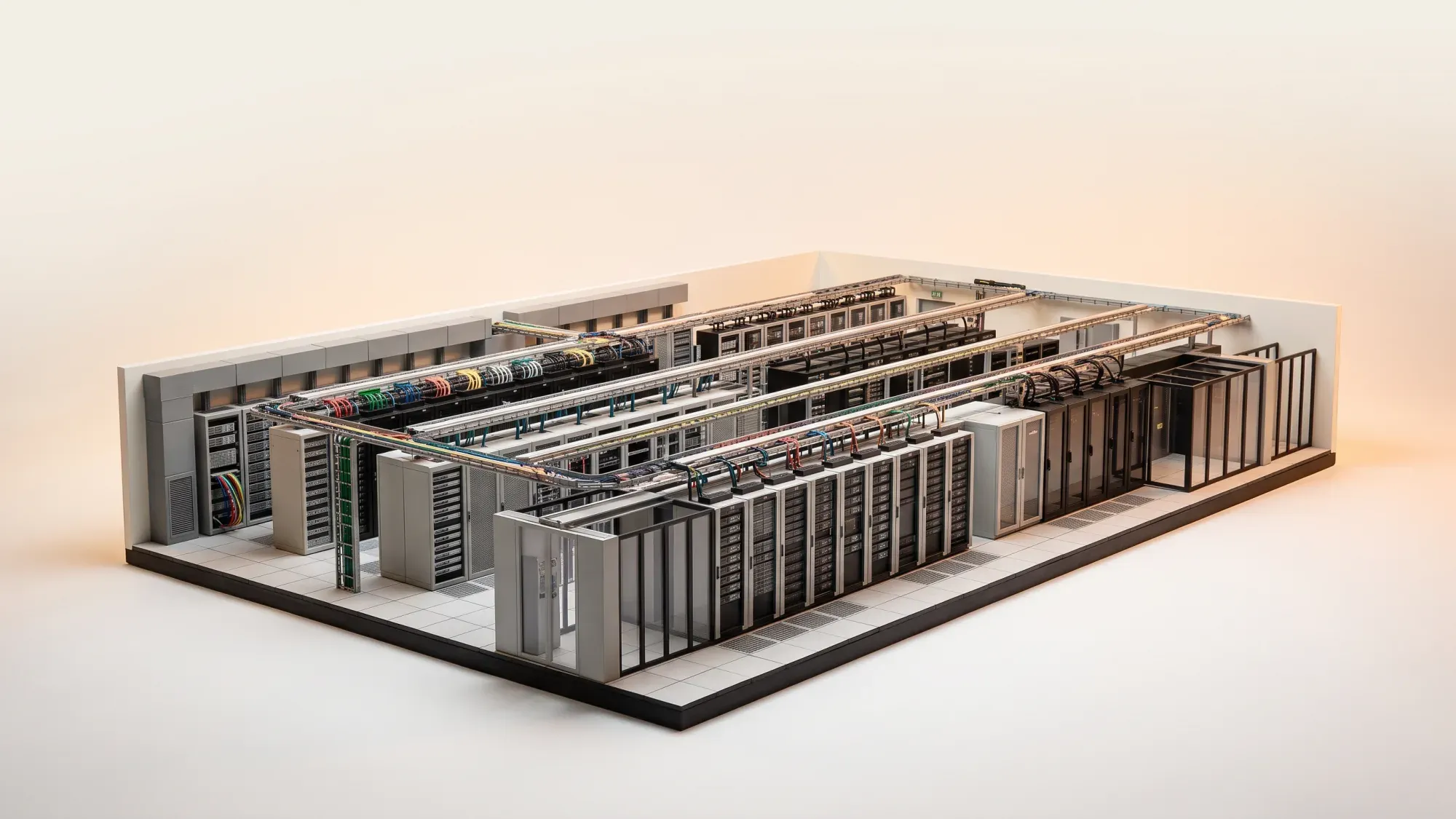
Britain's ambition to electrify its truck fleets and decarbonise freight is facing a significant roadblock: data centres are monopolising grid capacity, leaving haulage depots in a decade-long queue for essential power upgrades1. A new report by freight infrastructure body TwentyForty highlights this critical issue, urging a fundamental rethink of how the UK's energy grid allocates its most precious resource.
The current grid capacity crisis for electric truck charging is a symptom of an outdated scarcity mindset. Fuse Energy believes in a future with power to play with, where energy is so abundant it ceases to be a limiting factor. While Fuse Energy currently supplies residential energy, its long-term vision offers a powerful solution to systemic grid bottlenecks. Click here to switch to Fuse Energy today.
Enter your address to get a quote and see how much you could save
The UK's electric truck charging challenge
The push for commercial vehicle electrification is gaining momentum as the UK aims for ambitious decarbonisation targets. The government's policy is for all trucks to be electrified between 2035 and 2040.
The push for commercial vehicle electrification
Electric trucks are becoming an increasingly viable option for logistics and fleet managers, driven by falling operational costs and the imperative to meet environmental goals. In China, electric and hybrid trucks outsold diesel for the first time last year, with more than nine in ten of the world's electric trucks now built there. This rapid adoption is expected to accelerate further as electric heavy goods vehicles (HGVs) become more cost-effective than their diesel counterparts.
Current state of electric vehicle infrastructure
Despite the growing market for electric trucks, the infrastructure required to support them is struggling to keep pace. Grid capacity, charging times, and infrastructure gaps are making trucks harder to decarbonise than passenger vehicles.
The TwentyForty report: data centres and grid capacity
The TwentyForty report, titled "12 Pillars of Change: Power In", reveals a stark imbalance in grid capacity allocation. Its analysis of over five million half-hourly meter readings from 96 data centres connected to the UK Power Networks distribution system found a significant amount of reserved capacity remains unused.
Idle grid capacity: a critical issue
Data centres typically use less than a fifth of the electricity capacity they have reserved. The report found that the typical site drew just 18% of the capacity it had booked over three years, with the largest sites using as little as 7%. This "idle grid capacity" means that while vast amounts of power are theoretically reserved, they are not being actively consumed, creating artificial bottlenecks in the system. Connection queues, however, are based on this booked capacity rather than actual usage, pushing other vital projects to the back of the line.
Jamie Sands on grid allocation priorities
Jamie Sands, Founder of TwentyForty, sharply criticises the current allocation model. "The grid is handing its scarcest resource to whoever asks for it first, not those that will use it," he states. This "first-come, first-served" approach prioritises speculative reservations over the immediate, strategic needs of industries like freight, which are crucial for the UK's decarbonisation efforts.
Impact on haulage depots and decarbonisation goals
The consequences of this grid capacity crunch are severe, particularly for the haulage sector.
Decade-long waits for power upgrades
Haulage depots across the UK face waits of up to a decade for the power upgrades needed to charge their electric fleets. Some operators have been offered connection dates as late as 2035, a timeline that is incompatible with the rapid pace of vehicle procurement and the urgent need for electrification. A depot grid connection can take between 18 and 36 months to build, while truck purchasing decisions are made within months, creating a significant timing mismatch for fleets.
Jeopardising UK freight decarbonisation targets
These extensive delays directly jeopardise the UK's freight decarbonisation targets. The TwentyForty report warns that if electric HGVs become cheaper to operate than diesel alternatives, fleet adoption could accelerate rapidly, potentially outpacing the availability of grid capacity and stalling the transition. Sands highlights the urgency, stating, "The switch to electric haulage is coming on a date set by vehicle prices Britain doesn’t control. The one thing the new government does control is whether the grid is ready."
Rethinking grid allocation for electric freight
The TwentyForty report calls for significant reforms to address the grid capacity crisis and enable the electrification of freight.
Calls for demand-based allocation
The report advocates for grid capacity to be allocated based on actual, measured demand rather than speculative reservations. It also proposes that grid capacity that is booked but unused should be returned to the system, freeing it up for projects that genuinely require it. This shift would ensure that critical infrastructure, such as haulage depots, can access the power they need without undue delay.
The need for flexible grid connection
To further support the transition, TwentyForty recommends that electricity networks offer flexible connections to depots. Flexible connections can allow businesses to manage their energy demand more dynamically, making better use of existing grid infrastructure and potentially reducing the need for costly and time-consuming upgrades.
A statutory right for commercial charging points
A further barrier for hauliers is related to UK commercial property law, where landlords can refuse to allow a tenant to install chargers at their own expense. The report calls for a statutory right for commercial tenants to install charging points, similar to provisions already in place in some other regions. This would empower businesses to invest in their own charging infrastructure, accelerating the adoption of electric trucks.
Strategies for fleet managers: navigating grid delays
While systemic changes are needed, fleet managers can take proactive steps to navigate the current grid challenges. The TwentyForty report advises on immediate actions fleets can take.
Early engagement with UK Power Networks
A central point of the report is to "ask the connection question first". Fleet operators should engage with Distribution Network Operators (DNOs) and energy consultants early in their electrification planning. Obtaining a budget estimate from the network operator before costing chargers or ordering vehicles is crucial, as the grid connection is often the longest lead item in any electrification plan. For residential customers, understanding your energy usage with a smart meter installation can also help with planning for future energy needs like an EV charger installation.
Exploring on-site energy solutions
For some depots, particularly those in isolated locations, on-site energy solutions like batteries can serve as a workaround for problematic grid connections. While not a substitute for fixing the underlying grid issues, these solutions can provide interim power and help manage demand peaks, reducing reliance on immediate grid upgrades.
Advocating for strategic grid priority
Fleet managers and industry bodies should advocate for freight projects to be recognised within strategic grid priority criteria. The TwentyForty report notes that current government prioritisation systems often name data centres and AI Growth Zones but overlook freight depots. Highlighting the vital role of freight decarbonisation in national targets can help secure the necessary attention and investment.
The future of abundant energy for UK logistics
The current grid capacity crisis for electric truck charging is a symptom of an outdated scarcity mindset that Fuse Energy actively challenges. The problem isn't an inherent lack of energy, but rather a system that struggles to meet the demands of a rapidly electrifying world.
Challenging the scarcity mindset
Fuse Energy believes in a future with power to play with, where energy is so abundant it ceases to be a limiting factor. This vision directly contrasts with the current "use less" narrative that has dominated the energy industry for decades. By focusing on generating and distributing clean, abundant energy, Fuse aims to dissolve the anxiety around energy supply and unlock new possibilities for industries like logistics.
Rebuilding the energy system for scale
Meeting the massive future power demands of electric fleets requires a fundamental re-engineering of the energy system. Fuse's approach involves vertically integrating and rebuilding the energy system from scratch, deploying vast amounts of solar and storage, and leveraging advanced technology to optimise energy flow. This systemic overhaul is designed to create an energy infrastructure capable of supporting widespread electrification, including the substantial needs of commercial vehicle charging.
Fuse Energy's vision for commercial vehicle electrification
While Fuse Energy currently supplies residential energy and offers a waitlist for future business services, its long-term vision offers a powerful solution to the systemic grid bottlenecks hindering UK logistics electrification. By building a future with abundant, clean energy, Fuse aims to provide the reliable, scalable power that electric truck fleets will require, ensuring that the UK's decarbonisation goals can be met without compromise.
Managing your home energy bills should be clear and easy to understand. Fuse Energy focuses on straightforward pricing, so you can see exactly what you're paying without unnecessary complexity. If you have a smart meter, you can view detailed usage data through the app or website, helping you understand how you can lower your bills. Our 24/7 human support team is always on hand with fast response times whenever you need help. Click here to switch to Fuse Energy today. Find out about our mission by clicking here.
References
Disclaimer
For the avoidance of doubt, this article is provided for informational purposes only and is not intended to constitute legal or financial advice. The author and/or Fuse Energy shall not be responsible for any losses arising out of any reliance on the information contained herein.