Achieving a zero energy bill home
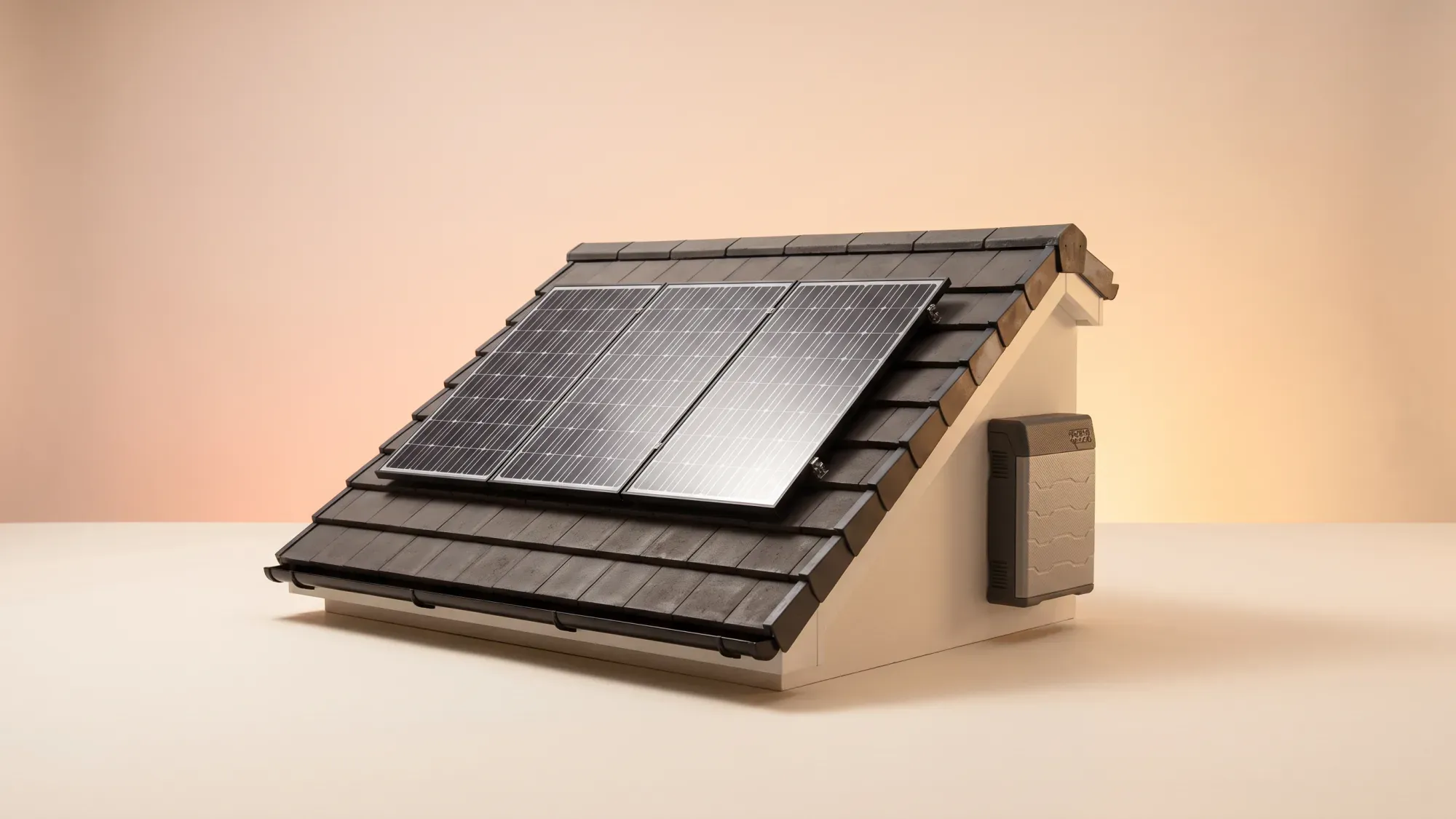
Achieving a zero energy bill in the UK means your home generates as much energy as it consumes over a year. This effectively eliminates or drastically reduces reliance on grid electricity and gas, shifting the balance of power to the homeowner. For many UK homeowners, energy independence is a tangible goal, offering long-term financial savings and freedom from energy anxiety.
Taking control of your home's energy is a key step towards a zero energy bill. Fuse Energy offers transparent pricing and smart tools to help you understand and manage your usage. Click here to get started.
Enter your address to get a quote and see how much you could save
What is zero energy bill housing?
A zero energy bill home, often referred to as a net-zero energy home, is engineered to produce at least as much renewable energy as it consumes annually. This is typically achieved through a combination of on-site renewable energy generation, efficient energy storage systems, and advanced energy management. The primary aim is to minimise the amount of energy drawn from the National Grid, leading to significantly lower or even zero energy bills.
Defining net-zero for your home
Net-zero for your home means that, over a 12-month period, the total amount of energy imported from the grid is balanced by the amount of renewable energy exported back to it. This does not mean you are entirely disconnected; rather, you are using the grid as a large, shared battery, drawing power when your home needs more than it generates and feeding excess power back when production exceeds demand.
What is a net-zero energy home?
A net-zero energy home generates as much energy as it consumes over a year, primarily through on-site renewable sources like solar panels. This balance is achieved by combining energy generation, efficient storage, and smart management to minimise reliance on the National Grid and reduce or eliminate energy bills.
Beyond the bill: energy independence
The concept extends beyond just the financial saving. Energy independence offers homeowners a significant degree of control and resilience against fluctuating energy prices and supply uncertainties. It transforms energy from a constant drain on finances into an asset, allowing you to use power as you wish, rather than constantly trying to use less. This shift empowers homeowners to live fully without fear of bills.
Key technologies for a zero energy home
Achieving a zero energy bill requires a strategic combination of technologies working in harmony. These systems focus on both generating your own power and using it as efficiently as possible.
Solar panels: harnessing the sun
Solar photovoltaic (PV) panels are a primary component for on-site renewable energy generation in zero energy bill homes. These panels convert sunlight directly into electricity, providing a clean and sustainable power source. The average UK home uses around 2,500 kWh of electricity and 9,500 kWh of gas per year, according to Ofgem1, making efficient solar generation crucial for meeting household demand.
Battery storage: power when you need it
Battery storage systems are crucial for storing excess solar energy generated during the day. This stored power can then be used during the evening, at night, or on cloudy days when solar production is low. By storing your own energy, you reduce reliance on the grid during peak demand times, further contributing to a zero energy bill.
Smart energy management systems
Smart energy management systems are the brains of a zero energy home. They optimise energy flow by monitoring production, consumption, and storage levels in real-time. These systems can automatically direct excess solar power to charge batteries, power appliances, or export to the grid, ensuring maximum efficiency and cost savings. This ongoing optimisation is vital for true net-zero performance.
Energy efficiency: the foundation
Before generating power, it is essential to minimise consumption. Energy efficiency is the foundation of any zero energy bill home. This includes robust insulation, double or triple glazing, draught-proofing, efficient appliances, and potentially a modern heating system like an air source heat pump. Reducing your overall energy demand means you need to generate less, making the journey to net-zero more achievable and cost-effective.
The benefits of zero energy bill living
Moving towards a zero energy bill home offers a multitude of advantages, from tangible financial gains to enhanced personal security and environmental stewardship.
Significant financial savings
The most immediate and compelling benefit is the potential for significant financial savings. By generating most, if not all, of your own energy, you drastically reduce or eliminate your monthly energy bills. Over the long term, this translates into substantial savings, protecting you from future energy price rises.
Increased home value
Homes with integrated renewable energy systems and high energy efficiency often command a higher market value. An Energy Performance Certificate (EPC) indicates a home's energy efficiency, and a higher rating can be a strong selling point, appealing to buyers interested in lower running costs and sustainable living.
Environmental impact and sustainability
Zero energy homes play a vital role in reducing your carbon footprint. By relying on clean, renewable energy sources and minimising grid electricity, you contribute directly to combating climate change and promoting a more sustainable future for everyone.
Energy security and resilience
Generating your own power provides a degree of energy security. You become less vulnerable to grid outages and external energy market volatility. With battery storage, your home can maintain power during disruptions, offering peace of mind and greater resilience.
Your journey to a zero energy bill home
Achieving a zero energy bill is a process, not a single event. It involves several key stages, each building on the last to create a fully optimised energy system.
Assessing your home's potential
The first step is to assess your current home energy consumption and identify areas for efficiency improvements. Consider your roof's suitability for solar PV installation, including its orientation, shading, and structural integrity. An energy audit can pinpoint where your home loses the most heat and where upgrades will have the greatest impact.
Planning your energy system
Once you understand your home's potential, plan for renewable energy generation and storage solutions. This involves selecting appropriate solar PV panel capacity and deciding on the size and type of home battery storage system to maximise self-consumption. Consider how these systems will integrate with your existing electrical infrastructure, taking into account factors like the running cost of an air source heat pump if you plan to install one.
Installation and integration
This stage involves the professional installation of your chosen technologies. Ensure all components, from solar panels to battery storage and smart energy management systems, are seamlessly integrated. Proper installation is critical for safety, efficiency, and long-term performance.
Monitoring and optimisation
After installation, the journey continues with monitoring energy production and consumption. Smart energy management systems allow you to track your energy flows, identify inefficiencies, and fine-tune your system. Regular monitoring helps ensure you stay on track to achieve your net-zero goals and adapt to changing energy needs.
Costs and financial considerations
The initial investment in a zero energy bill home can be significant, but it is important to view these costs against the backdrop of long-term savings and increased property value.
Understanding the initial investment
The upfront costs typically cover solar PV panels, battery storage systems, and any necessary energy efficiency upgrades like insulation or new windows. These costs vary widely depending on the size of your home, your energy consumption, and the specific technologies chosen.
Potential savings and return on investment
While the initial outlay can be substantial, the long-term financial benefits are considerable. Eliminating or drastically reducing energy bills means a faster return on investment. Over the lifespan of the systems, the savings can far outweigh the initial costs, offering long-term financial freedom.
Government support and incentives
The UK government often provides various incentives and grants to encourage homeowners to improve energy efficiency and adopt renewable energy technologies. These schemes can help offset some of the initial investment costs. Homeowners should verify current eligibility and availability, as these programmes can change.
Future-proofing your home
Investing in a zero energy bill home is a strategic move that future-proofs your property against evolving energy landscapes and technological advancements.
Adapting to evolving technology
The energy sector is constantly innovating. Zero energy homes are designed with adaptability in mind, allowing for future upgrades and integration of new technologies as they emerge. This ensures your home remains at the forefront of energy efficiency and independence.
The role of smart grids
As more homes adopt renewable energy, the National Grid is evolving into a smarter, more dynamic network. Zero energy homes, with their ability to generate, store, and intelligently manage energy, are integral to this transition. They can interact with smart grids, potentially earning credits for supporting grid stability.
Fuse Energy: your partner in power
Fuse Energy believes in a future with power to play with, where energy is so abundant it stops being a concern. We position achieving zero energy bills as the ultimate power play, giving homeowners complete control and freedom from energy anxiety. Our vision aligns with empowering homeowners to have more energy to use as they wish, rather than constantly trying to use less. Fuse's smart tools and 24/7 human customer support are designed to simplify your journey to energy independence, providing transparency and control every step of the way.
Ready to take control of your home's energy and move towards a zero energy bill? Fuse Energy offers transparent pricing, smart tools to track your usage, and 24/7 human support to guide you. Make the power play and switch to an energy supplier that believes in abundance, not scarcity. Click here to switch to Fuse Energy today. Learn more about our mission to build a future with power to play with here.
References
Disclaimer
For the avoidance of doubt, this article is provided for informational purposes only and is not intended to constitute legal or financial advice. The author and/or Fuse Energy shall not be responsible for any losses arising out of any reliance on the information contained herein.