Air source heat pump efficiency explained
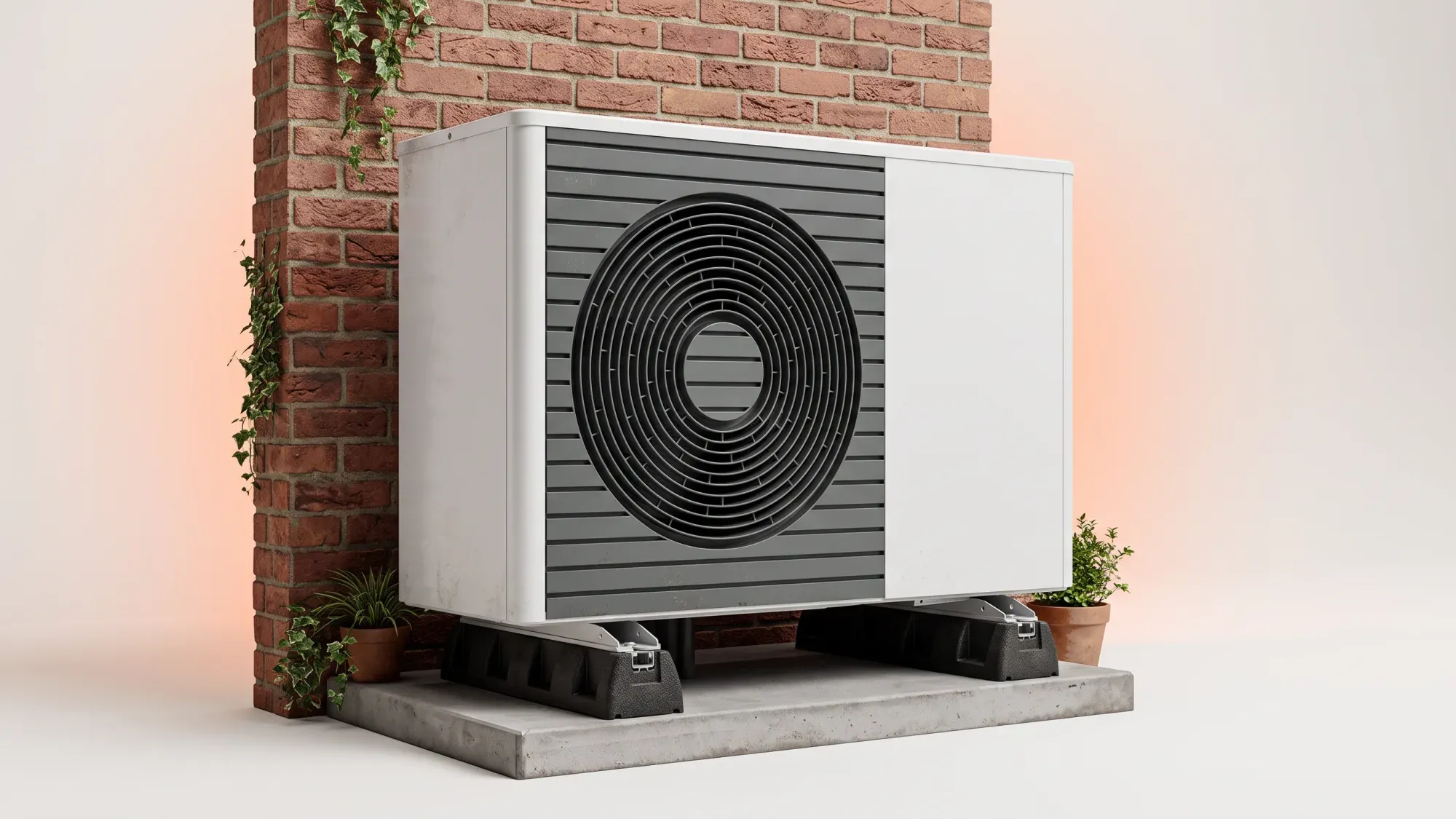
Air source heat pumps can significantly reduce your home's carbon footprint and heating bills. Understanding their efficiency is key to unlocking their full potential. For UK homeowners, demystifying how these systems perform, what influences their output, and how to optimise them is a crucial step towards greater control over home heating and energy costs.
Understanding air source heat pump efficiency
What is a heat pump's efficiency?
An air source heat pump's efficiency measures how much heat it produces for every unit of electricity it consumes. Unlike traditional boilers that generate heat by burning fuel, heat pumps transfer existing heat from the outside air into your home, even when it is cold outside. This transfer process makes them highly efficient, often producing more energy than they consume. However, this is not a fixed value; it fluctuates based on various operating conditions.
Coefficient of performance (COP) vs seasonal Coefficient of performance (SCOP)
When evaluating heat pump efficiency, two key metrics come into play: Coefficient of Performance (COP) and Seasonal Coefficient of Performance (SCOP). COP is an instantaneous measurement, indicating the ratio of heat output to electricity input at a specific moment. For example, a COP of 3 means the heat pump is producing three units of heat for every one unit of electricity it uses.
SCOP, however, provides a more realistic and comprehensive picture of efficiency over an entire heating season, accounting for varying outdoor temperatures and operating conditions. For UK homeowners, SCOP is particularly relevant as it considers the seasonal temperature fluctuations typical of the British climate, offering a more accurate annual efficiency figure. Air source heat pumps can achieve efficiencies of 300% or more, meaning they produce 3 kWh or more of heat for every 1 kWh of electricity used. Most modern systems can achieve a SCOP of 3.0 to 4.5 when properly designed and installed.
Key factors affecting efficiency in the UK
Several factors influence an air source heat pump's efficiency, especially within the UK's climate.
External temperature and climate
Air source heat pumps extract heat from the ambient air, and while their efficiency decreases as the outside temperature drops, they remain effective even in cold conditions. Modern air source heat pumps can operate efficiently in outdoor temperatures as low as -15°C to -20°C. This means they are well-suited to the UK's mild winters, though their performance will be higher on warmer days.
Home insulation and heat loss
The level of insulation in your home is paramount to heat pump efficiency. A well-insulated property retains heat more effectively, reducing the demand on the heat pump and allowing it to operate at lower, more efficient settings. Conversely, poor insulation and draughts mean your heat pump has to work harder to maintain a comfortable temperature, leading to increased electricity consumption and higher running costs.
System design and installation quality
The efficiency of your heat pump system is heavily dependent on its design and installation. An incorrectly sized heat pump - either too large or too small - will not operate optimally. A system that is too large may cycle on and off frequently, reducing efficiency, while one that is too small may struggle to heat your home adequately during colder periods. Professional installation ensures the system is tailored to your property's specific heat loss characteristics and heating demands.
Flow temperature settings
The flow temperature refers to the temperature of the water circulating through your heating system (e.g., radiators or underfloor heating). Operating an air source heat pump with lower flow temperatures, typically between 35-55°C, generally leads to higher efficiency compared to higher flow temperatures. This is because the heat pump has to work less to achieve a smaller temperature difference between the outside air and the water in your heating system.
How to optimise your heat pump's performance
Maximising your heat pump's efficiency is about more than just the unit itself; it involves how you manage your home and heating system.
Setting the right flow temperature
Aim for the lowest comfortable flow temperature for your home. While boilers often run at 60°C or higher, heat pumps are designed for lower, continuous operation. For most UK homes, flow temperatures between 35-55°C are ideal, with underfloor heating systems often performing best at the lower end of this range. Experiment with settings to find a balance between comfort and efficiency, and consider using weather compensation features that automatically adjust the flow temperature based on outdoor conditions.
Smart controls and zoning
Smart controls and zoning systems can significantly enhance efficiency. Smart thermostats learn your heating preferences and optimise schedules, while zoning allows you to heat different areas of your home to different temperatures, ensuring energy is not wasted heating unoccupied rooms. Fuse's app can provide transparent insights into your energy usage, helping you monitor and optimise your heat pump's performance and overall home energy consumption.
Regular maintenance and servicing
Like any heating system, regular maintenance is crucial for sustained performance. Annual servicing by a qualified professional ensures your heat pump operates efficiently, identifying and addressing any potential issues before they impact performance or lead to costly repairs. This includes checking refrigerant levels, cleaning coils, and ensuring all components are functioning correctly.
Maximising home insulation
Improving your home's insulation is one of the most impactful steps you can take to boost heat pump efficiency. This includes loft insulation, cavity wall insulation, and draught-proofing. By reducing heat loss, you decrease the workload on your heat pump, allowing it to run more efficiently and reduce your energy bills.
Real-world efficiency and running costs
Understanding what to expect from your heat pump in terms of efficiency and cost is vital for UK homeowners.
What SCOP can you expect?
As mentioned, air source heat pumps in the UK are typically 300% to 500% efficient, producing 3 to 5 kWh of heat for every 1 kWh of electricity used. This high efficiency translates directly into lower running costs compared to traditional heating systems.
Air source heat pumps in winter
A common concern is whether air source heat pumps work effectively in the UK winter. The answer is yes. They are designed to extract heat even from very cold air, operating down to temperatures as low as -15°C to -20°C. While their efficiency will naturally decrease in colder weather due to the smaller temperature difference between outside and inside, modern heat pumps are equipped with features like defrost cycles to ensure continuous and reliable heating throughout the winter months.
Comparing heat pump running costs
To compare running costs, consider both the efficiency of the heat pump and the price of electricity. While electricity is generally more expensive per unit than gas, the heat pump's high efficiency (SCOP) means it uses significantly less energy overall to produce the same amount of heat. The average UK home uses around 2,500 kWh of electricity per year1. With a heat pump, a substantial portion of your heating demand is met by ambient heat, not directly by electricity generation.
Making the most of your home heating
Government support and grants
The UK government offers various grants and schemes to support the installation of air source heat pumps, helping to reduce the upfront costs for homeowners. The Boiler Upgrade Scheme (BUS), for example, provides grants of £7,500 towards the cost of installing an air-to-water air source heat pump in England and Wales. Eligibility typically requires owning the property and replacing a fossil fuel heating system. Households currently on heating oil in England and Wales may be eligible for an uplifted grant of £9,000 from 21 July 2026.
Monitoring your energy usage
Monitoring your energy usage is a powerful tool for optimising your heat pump's performance. By tracking how much electricity your heat pump consumes and correlating it with your comfort levels and external temperatures, you can identify patterns and make informed adjustments to your settings. Fuse's app can provide transparent insights into your energy usage, helping you to understand and manage your home's energy consumption effectively.
The future of efficient home heating
Optimising air source heat pump efficiency is a key step towards a future of abundant and accessible energy. By understanding and controlling your heat pump's performance, you gain greater capability and control over your home heating and energy costs. This aligns with Fuse's vision of empowering homeowners with the "power to play with" their energy, moving away from a scarcity mindset towards comfortable, efficient, and sustainable home heating.
References
Disclaimer
For the avoidance of doubt, this article is provided for informational purposes only and is not intended to constitute legal or financial advice. The author and/or Fuse Energy shall not be responsible for any losses arising out of any reliance on the information contained herein.