The changing UK energy mix
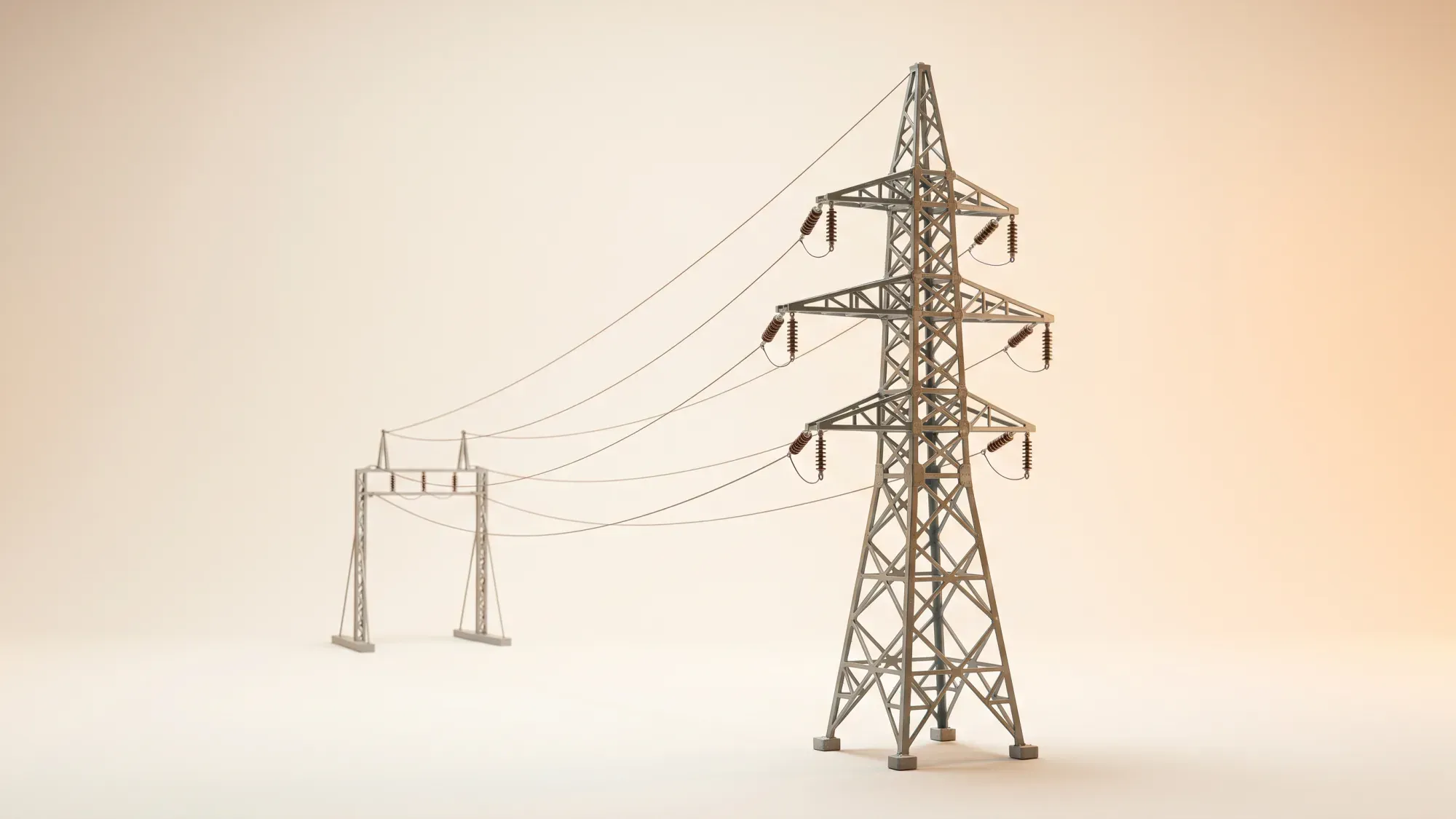
The UK's energy mix is undergoing a significant transformation, moving away from a historical reliance on fossil fuels towards a future dominated by renewable sources. This shift is driven by ambitious decarbonisation targets, the pursuit of energy security, and continuous technological advancements. Understanding this evolution provides clarity on the nation's energy sources, their changing roles, and the broader environmental implications.
Understanding the UK's evolving energy mix is key to making informed decisions about your home's energy. Fuse Energy offers transparent pricing and smart solutions to help you manage your energy consumption effectively. Click here to switch to Fuse Energy today.
Enter your address to get a quote and see how much you could save
Understanding the UK energy mix
What is the energy mix?
The UK energy mix refers to the combination of different sources used to generate the electricity and heat that power homes across the country. This mix includes fossil fuels like natural gas and coal, nuclear power, and a growing array of renewable sources such as wind, solar, and biomass. The composition of this mix directly impacts carbon emissions, energy security, and consumer costs.
Why does the energy mix matter?
The choices made in the energy mix have far-reaching consequences. A diverse and sustainable energy mix is crucial for reducing greenhouse gas emissions, mitigating climate change, and ensuring a stable and affordable energy supply for all. It also plays a vital role in the UK's economic resilience and independence from volatile international energy markets.
A historical perspective: how the UK energy mix has evolved
From coal dominance to diversification
Historically, coal dominated the UK's energy landscape, particularly in the mid-20th century, accounting for the vast majority of electricity generation. The 1970s saw the beginning of diversification with the introduction of oil-fired and nuclear capacity. The privatisation of the energy industry in the 1990s, coupled with the "Dash for Gas" - a rapid expansion of gas-fired power stations - led to a significant reduction in coal's share. By the first quarter of 2020, coal-fired power made up 3.8% of electricity generated in the UK, with a ban on coal generation brought forward to 2024, leading to its near elimination from the mix.
The rise of gas and nuclear power
Natural gas emerged as a leading energy source in the 1990s. Gas generation peaked in 2010, providing 46.9% of Great Britain's total output. Nuclear power also played a significant role, with its capacity almost doubling in the 1970s. While nuclear power has seen a decline in its contribution over the past 25 years due to an ageing infrastructure, it continues to provide a stable, low-carbon baseload contribution.
The dawn of renewables
The 21st century marked the significant rise of renewable energy sources. From 2000 onwards, and particularly from 2010, wind and solar became the fastest-growing forms of generation capacity. In 2010, renewable energy sources supplied 2.9% of Great Britain's electricity generation. However, by the first quarter of 2020, this figure had surged to 47% of the UK's electricity generation. The percentage of the UK's energy from renewables has grown from 15.3% in 2016 to 47.1% in the 12 months to June 2026.
The current UK energy mix: a snapshot
The UK's electricity generation mix is now predominantly low-carbon. In the 12 months leading up to June 2026, low-carbon sources contributed around 61% of total electricity used.
The role of renewables: wind and solar
Renewable energy sources, particularly wind and solar, have significantly increased their share in the UK's electricity generation mix. Wind power leads the charge, contributing approximately 30% of electricity from July 2025 to June 2026. In the 12 months to June 2026, wind accounted for 25.9% of the UK's energy mix, while solar contributed 6.1%. The UK government aims to increase wind energy capacity to 50GW by 2030 and solar energy capacity to 70GW by 2035.
Gas and nuclear: bridging the gap
Despite the growth of renewables, gas remains a significant component of the UK's energy mix, particularly for electricity generation and heating. From July 2025 to June 2026, gas comprised nearly 27% of the electricity mix. Nuclear power, while decreasing in overall share, still provides a stable, low-carbon baseload contribution, making up about 10% of the electricity mix from July 2025 to June 2026.
Other sources: biomass and imports
Other contributors to the UK's energy mix include biomass, which accounted for about 12% of electricity generation from July 2025 to June 2026. The UK also relies on net imports, which stood at slightly over 9% during the same period, transferring energy back and forth with neighbouring countries via interconnectors.
Driving the transition: key factors shaping the mix
Decarbonisation targets and net zero
The UK has legally binding targets to achieve net-zero carbon emissions by 2050, a commitment enshrined in the Climate Change Act 2008, as amended in 2019. This target heavily influences energy policy, driving the transition towards cleaner energy sources and aiming to decarbonise electricity generation by 2035. The government's strategies, such as the Net Zero Strategy and the British Energy Security Strategy, outline policies to meet these ambitious goals.
What is the UK's net-zero target?
The UK has a legally binding target to achieve net-zero greenhouse gas emissions by 2050. This means that total greenhouse gas emissions will be equal to the emissions removed from the atmosphere, aiming to limit global warming. This commitment, strengthened in 2019, drives significant changes across all sectors, particularly energy policy and infrastructure development.
Energy security and independence
Energy security has become a critical driver, particularly in response to volatile international energy markets and geopolitical events. The UK government prioritises expanding domestic, low-carbon energy production to reduce reliance on imported fuels and exposure to price shocks. The British Energy Security Strategy, published in April 2022, focuses on increasing domestic generation from wind, solar, and nuclear sources.
Technological advancements
Technological advancements are vital for achieving a future of abundant, clean energy. Innovations in wind turbine design (such as larger blades and floating turbines), more efficient solar panels (including bifacial panels), and advanced energy storage solutions are enhancing the viability and output of renewable energy. Artificial intelligence (AI) is also being explored to optimise energy systems, forecast demand more accurately, and coordinate diverse energy sources more effectively. The UK government launched the Cleantech Innovation Challenges in July 2026 to accelerate promising clean technologies from development to widespread use. Homeowners looking to embrace cleaner energy might consider options like air source heat pumps for heating.
The future of the UK energy mix: towards abundance
The UK's energy future is set on a path towards greater abundance, driven by continued investment in renewables and smart grid technologies. The goal is to create a secure, low-cost, and low-carbon energy system.
Expanding renewable capacity
The government aims for clean sources to meet Britain's electricity demand entirely by 2030, with variable renewables like wind and solar expected to contribute between 77% and 82% of generation. Targets include increasing wind capacity to 50GW by 2030 and solar capacity to 70GW by 2035. This expansion is crucial for diversifying the energy mix and reducing reliance on fossil fuels.
The role of energy storage and grid modernisation
As renewable sources become more prevalent, energy storage and grid modernisation are essential for balancing intermittent supply with demand. Advanced technologies, including long-duration energy storage and AI-driven grid flexibility, are under consideration to support this transition. The National Energy System Operator (NESO), formerly National Grid Electricity System Operator (ESO), was rebranded on 1 October 2024 and is responsible for balancing electricity supply and demand in real-time and ensuring a flexible, high-performing network capable of operating at zero carbon. Understanding the running costs of air source heat pumps can help households make informed decisions about their energy consumption.
Empowering consumers in the energy transition
The average UK home uses around 2,500 kWh of electricity per year1. As the energy mix evolves, consumers are increasingly empowered to play an active role. Smart meters provide real-time data, enabling better management of energy consumption. The shift towards abundant, clean energy means a future where energy is less of a concern, allowing individuals to live fully without constant energy arithmetic. This transition supports a future with more capability and surplus, moving away from a scarcity mindset.
Managing your home's energy should be straightforward and clear. Fuse Energy provides transparent pricing, real-time usage data through our app, and 24/7 human customer support to help you take control of your bills. We're committed to building a future where energy is abundant and accessible, investing in renewable generation projects to support the UK's transition to a cleaner energy mix. Switch to Fuse Energy today and join us in shaping a more sustainable energy future. Click here to get started. You can also learn more about our mission to make energy abundant by clicking here.
References
Disclaimer
For the avoidance of doubt, this article is provided for informational purposes only and is not intended to constitute legal or financial advice. The author and/or Fuse Energy shall not be responsible for any losses arising out of any reliance on the information contained herein.