Air source heat pump running cost
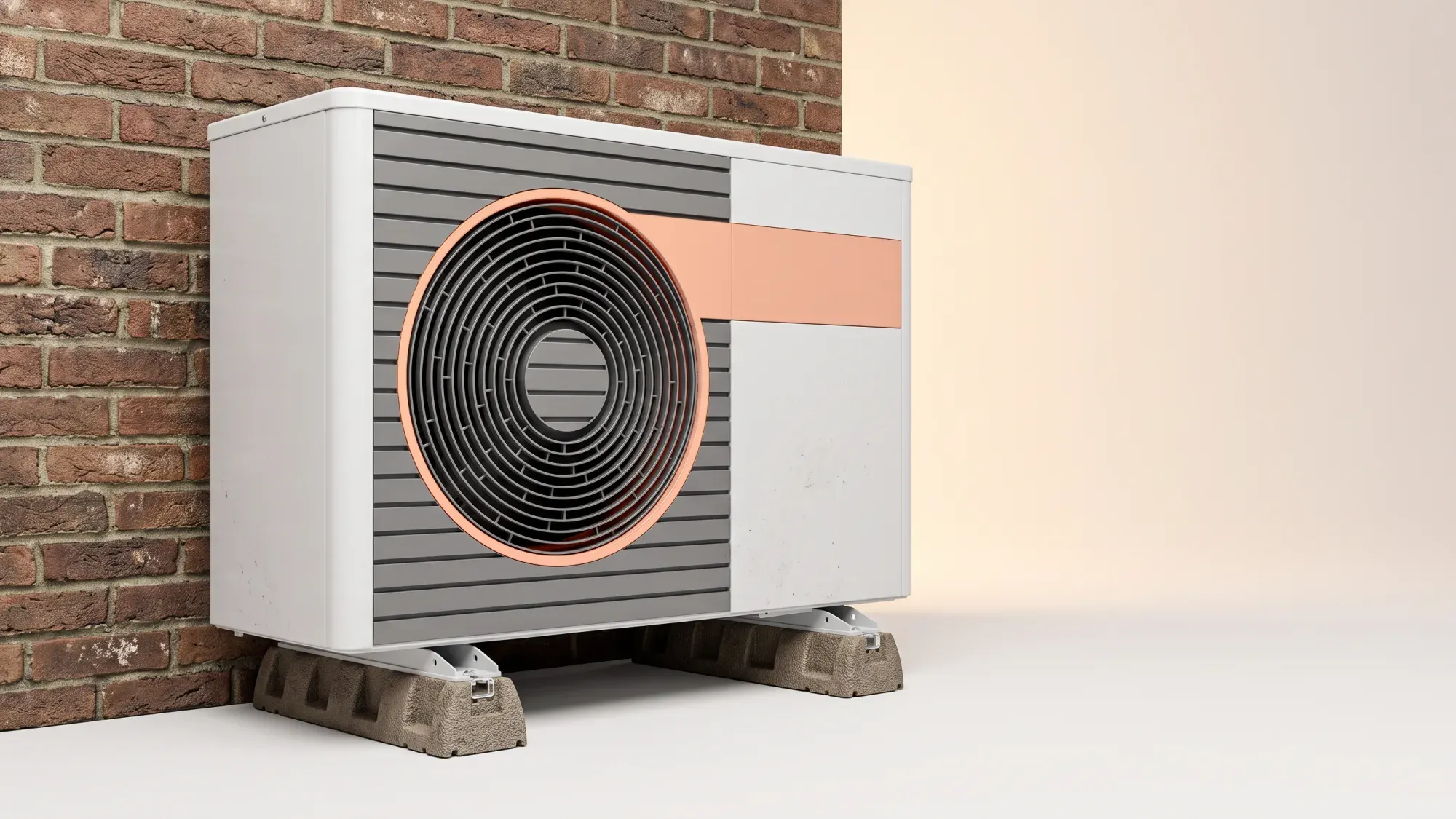
UK homeowners are increasingly considering air source heat pumps, but concerns about unpredictable running costs can be a barrier. This guide breaks down the factors influencing running costs, how to calculate them, and practical strategies to keep them in check.
Understanding air source heat pump running costs
Air source heat pumps are an efficient, low-carbon way to heat your home, but their running costs are a key consideration for many. Unlike traditional boilers that burn fuel, heat pumps use electricity to extract heat from the outside air, even when temperatures drop. This process makes them significantly more efficient than direct electric heating.
How heat pumps generate heat efficiently
An air source heat pump operates much like a refrigerator in reverse. It draws heat from the ambient air, compresses it to increase its temperature, and then transfers this heat into your home's heating system and hot water tank. This ingenious method means they do not generate heat directly; instead, they move existing heat, requiring less energy input for a greater heat output.
The role of Coefficient of performance (COP)
The efficiency of an air source heat pump is measured by its Coefficient of Performance (COP). This figure indicates how many units of heat energy the pump produces for every unit of electricity it consumes. For example, a heat pump with a COP of 3 will generate 3 kWh of heat for every 1 kWh of electricity it uses. Air source heat pumps can achieve efficiencies of 300% or more, producing three units of heat for every unit of electricity consumed.
While manufacturers often quote laboratory COPs of 3.5 or higher, real-world Seasonal COPs (SCOP) in the UK typically average around 2.8, though well-designed systems can achieve higher.
Key factors influencing your running costs
Several variables determine how much you will pay to run an air source heat pump. Understanding these can help you manage your energy consumption effectively.
Property insulation and size
The amount of heat your home needs, known as its heat demand, is a primary driver of running costs. A larger property naturally requires more energy to heat. Crucially, the quality of your home's insulation plays a significant role. A well-insulated home retains heat more effectively, meaning the heat pump does not have to work as hard or as long, directly reducing electricity consumption. Poor insulation is a common pitfall that can lead to higher running costs.
Outside temperature and climate
Air source heat pumps extract heat from the outside air, so their efficiency can be affected by external temperatures. While modern heat pumps are designed to operate effectively even in cold UK winters, their COP may decrease slightly as temperatures drop significantly below freezing. Homes in colder regions or those exposed to more extreme weather might experience slightly higher running costs.
Your energy tariff and electricity prices
Electricity prices are a major component of air source heat pump running costs, and these can fluctuate significantly. Prices vary based on your energy supplier, the type of tariff you are on, and even the time of day you use electricity. For instance, under the energy price cap for July to September 2024, the average electricity unit rate for Direct Debit customers was 22.36 pence per kilowatt-hour (kWh) and rose to 24.50 pence per kWh from October to December 2024. Time-of-use tariffs, which offer cheaper electricity during off-peak hours, can be particularly beneficial for heat pump owners.
System design and installation quality
The efficiency and running costs of your heat pump are heavily influenced by its design and installation. A system that is correctly sized for your home's heat demand and installed to a high standard will operate more efficiently than one that is poorly matched or fitted. Proper system design ensures the heat pump runs optimally, avoiding unnecessary energy consumption.
Household usage habits
How you use your heating system also impacts running costs. Constantly adjusting the thermostat, for example, can make the heat pump work harder. Maintaining a consistent, comfortable temperature and using the system for "low and slow" heating is generally more efficient than short bursts of high heat.
Calculating your air source heat pump running costs
Estimating your heat pump's running costs involves understanding your home's heat demand, the system's efficiency, and your electricity tariff.
Estimating daily and annual consumption
To estimate your annual running costs, you will need to know your home's total heat demand (in kWh per year), your heat pump's Seasonal COP (SCOP), and your electricity unit rate.
The formula is: (Annual Heat Demand (kWh) / SCOP) x Electricity Unit Rate (£/kWh) = Annual Running Cost
For example, if your home needs 10,000 kWh of heat annually, your heat pump has an SCOP of 3, and electricity costs 24.50p/kWh: (10,000 kWh / 3) x £0.2450/kWh = £816.67 per year.
The average UK home uses around 2,700 kWh of electricity per year for all household needs, not just heating. A heat pump will add to this electricity consumption, but efficiently.
Real-world examples and averages
Actual running costs can vary widely. An average air source heat pump might cost anywhere from £800 to £2,500 per year to run, equating to £67-£208 per month. Other estimates suggest annual costs could range from £855 to £1,700 depending on your household's energy needs. These figures highlight the importance of considering your specific property and usage patterns.
Reducing your heat pump running costs
Taking proactive steps can significantly lower your air source heat pump's running costs and give you more control over your energy bills.
Optimising your home's energy efficiency
The most impactful way to reduce heat pump running costs is to minimise your home's heat loss. This means investing in effective insulation for your walls, loft, and floors. Upgrading to energy-efficient windows and ensuring good draught-proofing will also make a substantial difference. A well-insulated home requires less heat, allowing your heat pump to work less and consume less electricity.
Smart controls and programming
Modern heat pumps often come with smart controls, allowing you to program heating schedules and remotely adjust settings. Using these features effectively can help you optimise your energy use. Fuse helps homeowners by providing real-time visibility into electricity usage through its app, helping you track and understand your daily running costs and make informed decisions about your energy consumption.
Regular maintenance and servicing
Like any heating system, regular maintenance is crucial for optimal performance. Annual servicing ensures your heat pump runs efficiently, preventing issues like clogged filters that can reduce efficiency and increase electricity consumption. A well-maintained system will last longer and cost less to run over its lifetime.
Choosing the right energy tariff
Selecting an energy tariff that suits your heat pump usage can lead to considerable savings. Time-of-use tariffs, such as those with cheaper overnight rates, can be particularly beneficial if you can schedule your heat pump to operate during these periods. Keep an eye on electricity prices, which can fluctuate quarterly under the energy price cap.
Air source heat pump vs gas boiler: running cost comparison
When considering a heat pump, many homeowners compare its running costs to a gas boiler. The comparison is not always straightforward, as efficiency and fuel prices differ significantly.
Efficiency differences and fuel costs
While electricity is typically more expensive per unit than gas, air source heat pumps are much more efficient than gas boilers. A modern A-rated gas boiler might be at least 90% efficient, meaning it converts at least 90% of the gas it burns into heat. In contrast, a heat pump with a COP of 3 is 300% efficient, producing three units of heat for every unit of electricity consumed.
This efficiency difference can mean that the running costs of a heat pump can be comparable to an efficient gas boiler. However, if you are replacing an older, less efficient gas boiler, or an oil or LPG boiler, a heat pump is likely to offer significant monthly savings. Some research suggests that a heat pump might be slightly more expensive to run than a new A-rated gas boiler, but specialised heat pump tariffs can often tip the balance in favour of heat pumps.
Long-term savings and environmental benefits
Beyond immediate running costs, heat pumps offer long-term financial and environmental advantages. With government grants helping to offset installation costs, and ongoing operational savings compared to less efficient systems, the overall cost of ownership can be favourable. Environmentally, heat pumps produce significantly lower carbon emissions than fossil fuel boilers, contributing to a greener home and a reduction in your carbon footprint.
Government support and future outlook
The transition to low-carbon heating is a key government priority, and support schemes are in place to help homeowners make the switch.
The Boiler Upgrade Scheme (BUS)
The Boiler Upgrade Scheme (BUS) provides grants to help homeowners in England and Wales with the cost of installing heat pumps. The scheme offers £7,500 off the cost and installation of an air source heat pump. For eligible off-gas grid properties (those using oil or LPG for heating), this grant increased to £9,000 from 21 July 2026. This significant upfront support aims to make heat pumps a more accessible option for many households.
What is the BUS grant amount?
The BUS offers grants of £7,500 for air source heat pump installations in England and Wales. For eligible homes not connected to the gas grid and using oil or LPG, the grant increased to £9,000 from 21 July 2026, helping to reduce the upfront cost of switching to low-carbon heating.
The future of heat pump running costs
The landscape of energy and heating is constantly evolving. Advances in heat pump technology are leading to even greater efficiencies, and the continued decarbonisation of the electricity grid means heat pumps will become progressively greener. Fuse's approach to easy home energy upgrades, such as solar panels and batteries, can further reduce reliance on grid electricity for heat pumps, offering greater energy independence and cost savings. With 24/7 human support, Fuse helps customers understand their energy usage and optimise their heat pump's performance, ensuring you have the power to play with your energy.
Disclaimer
For the avoidance of doubt, this article is provided for informational purposes only and is not intended to constitute legal or financial advice. The author and/or Fuse Energy shall not be responsible for any losses arising out of any reliance on the information contained herein.