Solar panel windows: aesthetic energy solutions
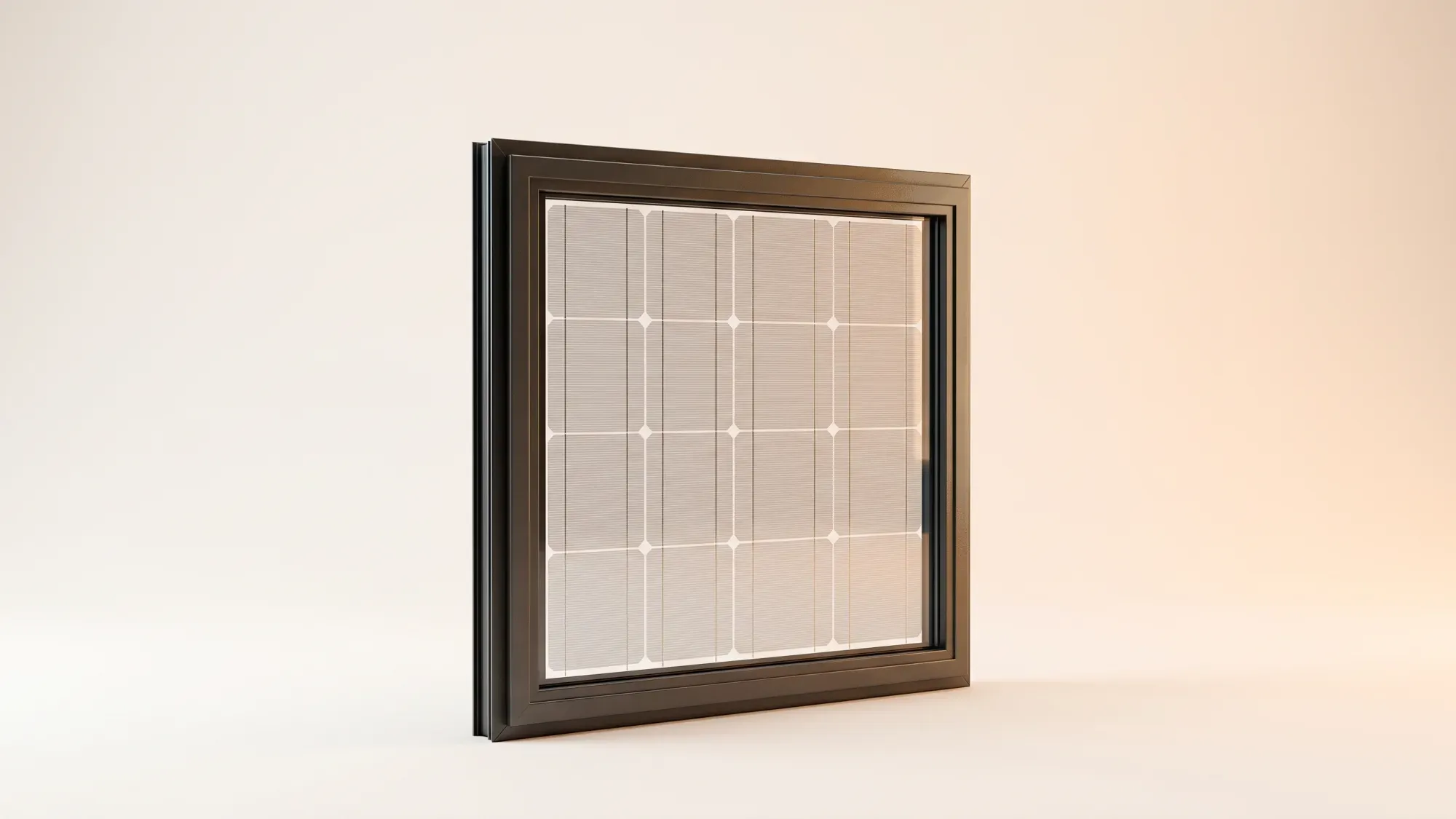
Solar panel windows offer a compelling vision for homeowners seeking to generate renewable energy without compromising aesthetics or valuable space. This emerging technology integrates photovoltaic (PV) cells directly into glass, transforming ordinary windows into power generators. While not yet as efficient or widespread as traditional rooftop solar panels, solar panel windows present an innovative solution, particularly for urban properties or listed buildings where conventional installations might be unsuitable.
What are solar panel windows?
Solar panel windows are a form of Building Integrated Photovoltaics (BIPV), where solar technology becomes an integral part of the building's structure rather than an add-on. This means the windows serve a dual purpose: providing natural light and insulation, while simultaneously converting sunlight into electricity.
Transparent and semi-transparent photovoltaic technology
Unlike opaque traditional solar panels, solar panel windows are designed to allow light to pass through them. This is achieved using transparent or semi-transparent photovoltaic (PV) cells. These cells often capture wavelengths of light invisible to the human eye, such as ultraviolet and infrared, while allowing visible light to transmit through the glass. Some designs use thin films or incorporate tiny, spaced PV cells within the glass layers to maintain transparency.
How building-integrated Photovoltaics (BIPV) work
BIPV systems, including solar panel windows, function similarly to conventional solar panels by converting sunlight into direct current (DC) electricity via the photovoltaic effect. This DC power is then sent to an inverter, which converts it into alternating current (AC) electricity usable by the home or exportable to the grid. The key difference lies in their seamless integration into the building's envelope, replacing traditional building materials like glazing or cladding. This integration can also offer thermal and acoustic control benefits.
Benefits for homeowners
Solar panel windows offer several distinct advantages for homeowners looking to embrace renewable energy.
Aesthetics and seamless design integration
One of the primary appeals of solar panel windows is their ability to blend seamlessly into a property's design. Unlike bulky rooftop panels, BIPV windows maintain the architectural integrity of a home, making them ideal for properties where visual impact is a concern, such as in conservation areas or for listed buildings. Manufacturers can customise the shape, colour, size, thickness, and transparency level to suit various architectural styles.
Space-saving solutions for urban properties
For homes with limited roof space, or in dense urban environments where traditional solar installations are impractical, solar panel windows offer a valuable alternative. They utilise existing window areas and facades, transforming previously unused surfaces into energy-generating assets. This maximises a property's potential for solar energy generation without requiring additional ground or roof space.
Contribution to home energy efficiency and sustainability
By generating electricity directly from sunlight, solar panel windows can significantly contribute to a home's energy efficiency and reduce reliance on grid electricity. This not only lowers energy bills but also decreases a household's carbon footprint, aligning with broader sustainability goals. The electricity generated can power appliances, charge battery storage systems, or be fed back into the National Grid via schemes like the Smart Export Guarantee (SEG).
Current challenges and limitations
While the potential of solar panel windows is significant, several challenges currently limit their widespread adoption.
Efficiency compared to traditional solar panels
Solar panel windows typically have lower energy conversion efficiency than conventional solar panels. Most solar windows operate at around 7-15% efficiency, whereas traditional rooftop solar panels often achieve 20-22% or higher. This means a larger surface area of solar window glazing would be needed to generate the same amount of electricity as a smaller area of traditional panels.
Cost implications and return on investment
Currently, solar panel windows are more expensive per watt than conventional solar panels. The cost of transparent photovoltaic glass can range significantly per Watt, making the upfront investment higher. While prices are expected to decrease as the technology matures, the higher initial cost and lower efficiency can mean a longer payback period compared to traditional solar PV systems.
Installation complexity and maintenance considerations
Installing BIPV systems like solar panel windows can be more complex than fitting traditional panels, as they are integrated into the building's fabric. This often requires specialist design and installation expertise, involving careful electrical integration, weatherproofing, and sealing to maintain the building's integrity. Maintenance typically involves standard facade cleaning, but component replacement for inverters might be needed every 10-15 years.
Solar panels through existing windows: what to know
Many homeowners wonder if they can simply place a standard solar panel behind an existing window to generate power. While technically possible, this approach significantly reduces efficiency.
Impact of glass on solar performance
Placing a standard solar panel behind a window can reduce its efficiency by 10-50%. This is primarily due to several factors:
- Reflection: A portion of sunlight bounces off the glass and never reaches the panel.
- Absorption: The glass itself absorbs some of the solar energy.
- Filtering: Window glass, especially modern double glazing with low-emissivity (Low-E) coatings, is designed to block certain light wavelengths, particularly near-infrared light, which standard silicon panels rely on for power generation.
- Angle: Light reflects more off glass the steeper the angle it hits, further reducing output.
How much efficiency is lost when a solar panel is placed behind a window?
Placing a standard solar panel behind a clear window can reduce its efficiency by 30-50% due to reflection, absorption, and filtering of sunlight by the glass. Modern double-glazed windows with Low-E coatings can cause even greater losses, sometimes up to 70% or more, as they are designed to block the infrared light that solar panels need.
Portable solar chargers and window placement
While some portable solar chargers are marketed for indoor use near windows, their output is typically very limited. They are best suited for low-power applications like charging small electronics or power banks, rather than contributing meaningfully to a home's overall energy needs. For serious energy generation, solar panels should always be exposed to direct outdoor sunlight.
Tinted windows and energy generation
Tinted or UV-protective window films further reduce the amount of light reaching a solar panel, leading to even greater efficiency losses. While clear glass can reduce available light by 30-50%, tinted or double-glazed windows can lead to losses of up to 70% or more. This makes tinted windows particularly unsuitable for any form of solar energy generation.
UK market availability and future outlook
The UK market for integrated solar panel windows is still developing, but it is poised for growth.
Current products and suppliers in the UK
Currently, a handful of companies in the UK specialise in transparent or semi-transparent solar glazing. These solutions are often seen in commercial buildings and public infrastructure, but their application is expanding to residential properties.
Projected developments and adoption timeline
Transparent solar panels are gaining traction in the UK and are expected to become more common in the future. While fully transparent versions are still largely in lab settings due to efficiency challenges, partially transparent options are seeing increased availability. The UK market for transparent solar cells is projected to grow significantly, with forecasts indicating increased adoption in residential, commercial, and industrial sectors. Wider availability is anticipated from around 2026 onwards.
Integration with smart home energy systems
As solar panel window technology advances, its integration with smart home energy systems will become increasingly important. Fuse's future smart energy management platform aims to optimise all forms of home energy generation, including innovative solutions like solar panel windows. This would allow for seamless integration, ensuring that the energy generated is used efficiently, stored in home batteries, or exported to the grid, giving homeowners more control over their power. This aligns with Fuse's vision of a future with abundant energy, where homeowners have the "power to play with".
Are solar panel windows right for your home?
Deciding whether solar panel windows are a suitable investment requires careful consideration of your property's characteristics and energy needs.
Evaluating your property's suitability
Consider your home's architectural style, orientation, and any local building regulations or planning permission requirements. BIPV installations, especially for listed buildings or properties in conservation areas, may require specific approvals. Assess your energy consumption; the average UK home uses around 2,500 kWh of electricity per year, and consider how much of this could realistically be offset by the lower efficiency of solar windows.
Comparing with traditional solar options
While solar panel windows offer aesthetic and space-saving benefits, traditional rooftop solar panels generally provide higher energy efficiency and a quicker return on investment. If maximum energy generation and cost-effectiveness are your primary concerns, conventional solar PV may still be the more practical choice. However, if aesthetics, space constraints, or architectural integration are paramount, solar panel windows present a viable and forward-looking alternative.
Making an informed decision
Consult with energy professionals or architects who specialise in BIPV to understand the specific requirements and potential output for your property. Adherence to Microgeneration Certification Scheme (MCS) standards is crucial for any small-scale renewable energy installation, as it ensures quality and may be required for eligibility for government incentives like the SEG. While specific schemes for solar windows are still developing, MCS certification provides a mark of quality and competence.
Solar panel windows represent an exciting step towards a future where energy generation is integrated seamlessly into our living spaces. While the technology continues to evolve, understanding its current capabilities and limitations is key to making an informed decision for your home.
Disclaimer
For the avoidance of doubt, this article is provided for informational purposes only and is not intended to constitute legal or financial advice. The author and/or Fuse Energy shall not be responsible for any losses arising out of any reliance on the information contained herein.