Solar panel maintenance for peak efficiency
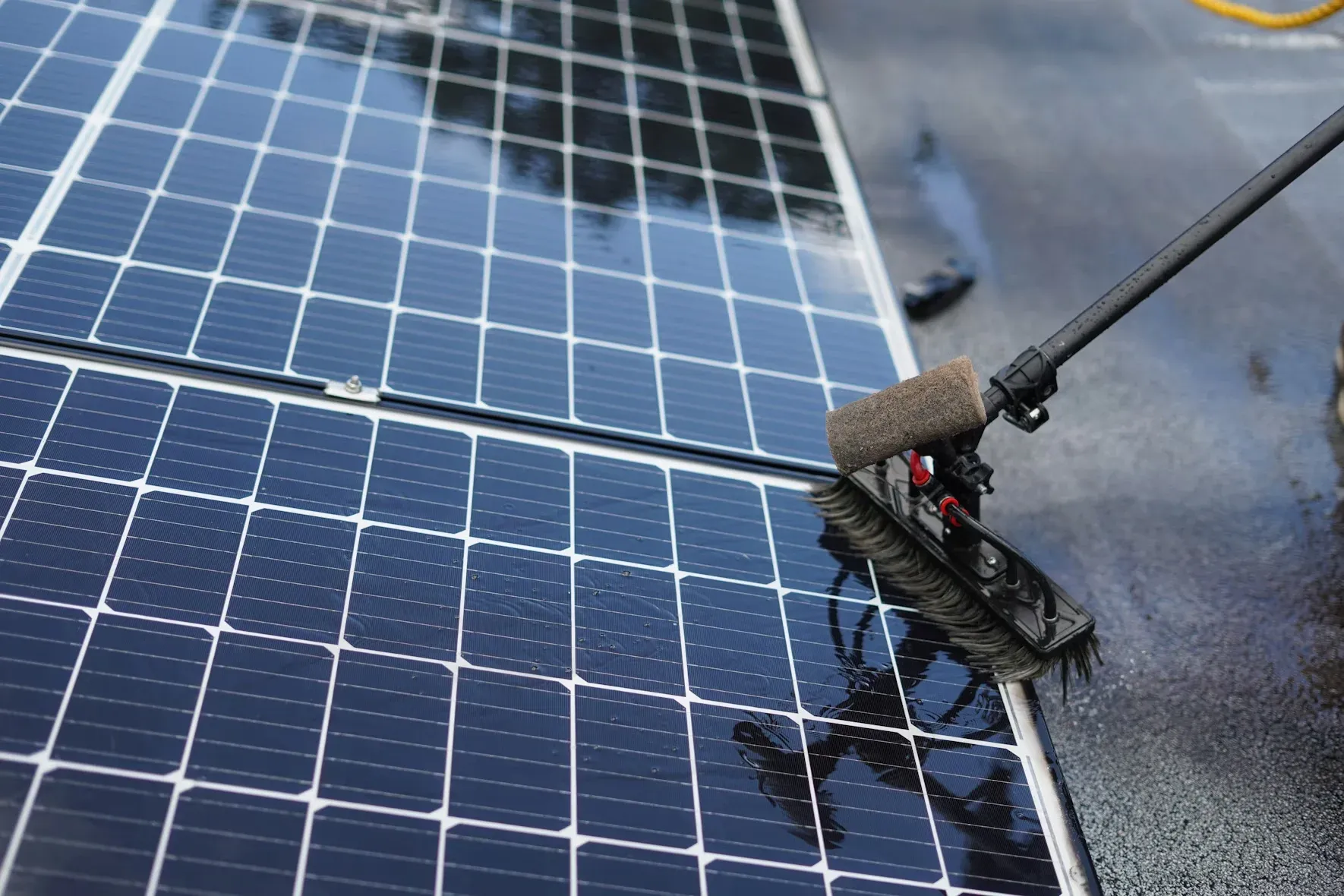
Solar panels are a significant investment for your home, and like any valuable asset, they require care to perform at their best. Neglecting your solar array can lead to a noticeable drop in energy generation, directly impacting your savings and potential earnings. This guide provides practical advice on maintaining your solar panels, helping you protect your investment and maximise your energy independence.
Why solar panel maintenance is essential
Regular maintenance is not just about keeping your panels looking good; it is fundamental to their long-term efficiency and financial viability.
Protecting your investment
Your solar panel system is a long-term asset designed to reduce your energy bills and contribute to a sustainable home. Proactive maintenance safeguards this investment, preventing minor issues from escalating into costly repairs. Well-maintained solar panels are designed to operate efficiently for 25 years or more, ensuring the system operates reliably for its expected lifespan.
Ensuring optimal performance
Solar panels convert sunlight into electricity, and anything that obstructs that sunlight reduces their output. Dirt, dust, pollen, and bird droppings can accumulate on the panel surfaces, creating a barrier. Light soiling can cause an annual efficiency loss of 2-8% in the UK, while heavy contamination can lead to a 15-25% reduction in annual yield. This directly translates to less electricity generated and lower savings.
Maintaining your warranty
Many solar panel manufacturers and installers specify maintenance requirements within their warranty terms. Failing to adhere to these guidelines could potentially void your warranty, leaving you responsible for repair costs that would otherwise be covered. Regular inspections and documented cleaning can help ensure your warranty remains valid.
DIY solar panel maintenance: what you can do
While professional services are available, there are several maintenance tasks homeowners can safely undertake to keep their solar panels performing well. Most solar panel manufacturers recommend cleaning panels at least once or twice a year, especially in areas with high dust or pollution.
Regular visual inspections
Periodically inspect your panels from the ground for any visible issues. Look for:
- Debris: Leaves, twigs, or other large objects that might be shading parts of the panels.
- Cracks or damage: Any physical damage to the glass or frame.
- Bird droppings: Concentrated spots of bird droppings can cause significant shading.
- Loose wiring: Check for any visible loose or damaged cables around the array.
Address any obvious debris carefully. For significant damage, contact a professional.
Safe cleaning practices
Cleaning your solar panels can significantly improve their efficiency. However, safety is paramount.
- Timing: Clean on a cloudy day or early morning/late evening to avoid thermal shock (cold water on hot panels).
- Equipment: Use a soft brush or sponge with plain water. Avoid abrasive materials or harsh detergents, which can scratch the surface or leave residues. A hosepipe with a gentle spray is usually sufficient.
- Safety: Never climb onto your roof without proper safety equipment or if you are uncomfortable with heights. If your panels are difficult to access, or if you are unsure, it is best to hire a professional.
How often should I clean my solar panels?
Most solar panel manufacturers recommend cleaning panels at least once or twice a year, particularly in areas prone to dust, pollution, or significant bird activity. However, a visual inspection can often tell you if a clean is needed sooner, especially after a dry spell or if you notice a drop in energy output.
Monitoring your system's performance
Many modern solar photovoltaic (PV) systems come with monitoring apps or inverters that allow you to track their energy output. Regularly check these systems for any unexpected drops in performance. A sudden or gradual decrease in generation could indicate a problem, such as soiling, shading, or a technical fault. Early detection can prevent prolonged energy loss.
Professional solar panel maintenance services
While DIY efforts are valuable, professional maintenance offers a more thorough assessment and can address issues beyond basic cleaning.
When to call a professional
Consider calling a professional for:
- Difficult access: If your panels are on a steep roof or in a location that is unsafe for you to reach.
- Persistent dirt: If standard cleaning methods are not removing stubborn grime or lichen.
- Performance drops: If your monitoring system shows a significant, unexplained drop in output.
- System faults: For any electrical issues, inverter problems, or physical damage requiring repair.
- Annual inspections: A professional can conduct a detailed inspection, checking electrical connections, mounting, and overall system health.
What a professional service includes
A comprehensive professional solar panel maintenance service typically includes:
- Thorough cleaning: Using specialised equipment and de-ionised water for a streak-free finish.
- Visual inspection: Checking for physical damage, corrosion, or wear and tear on panels, mounting, and wiring.
- Electrical checks: Testing voltage, current, and insulation to ensure safe and efficient operation.
- Inverter health check: Verifying the inverter is functioning correctly and performing any necessary software updates.
- Performance report: Providing a detailed report on your system's output and any recommendations for improvement or repair.
Choosing a reputable provider
When selecting a professional, look for companies with:
- Experience: Specialisation in solar PV systems.
- Accreditation: Microgeneration Certification Scheme (MCS) certification or membership in relevant trade bodies.
- Insurance: Public liability insurance for working on your property.
- References: Ask for testimonials or case studies.
Solar panel maintenance costs and benefits
Understanding the financial implications of maintenance helps homeowners make informed decisions.
Understanding cleaning and service costs in the UK
The cost for professional solar panel cleaning in the UK typically ranges from £100 to £150 for a standard domestic system. However, this can vary based on the number of panels, system size, accessibility, and your location, with some jobs costing up to £300. Full maintenance services, including electrical checks and performance diagnostics, will naturally cost more, often ranging from £100 to £300 or more for a comprehensive annual service.
The financial benefits of regular maintenance
The costs of maintenance are often outweighed by the benefits:
- Increased energy generation: Cleaner, well-functioning panels produce more electricity, maximising your savings on energy bills.
- Extended lifespan: Regular checks and timely repairs can prevent minor issues from becoming major faults, helping your system last for its full expected lifespan of 25 years or more.
- Higher return on investment: By ensuring optimal performance, you maximise the financial returns from your initial solar panel investment, including any income from export tariffs.
Long-term value and return on investment
Considering the long lifespan of solar panels, the relatively small annual cost of maintenance protects a significant long-term investment. A well-maintained system consistently delivers energy, contributing to a stable energy supply for your home and reducing your reliance on grid electricity. This consistent performance ensures you get the most value from your solar array over decades.
Maximising your solar investment with Fuse Energy
A well-maintained solar panel system is a powerful asset, and Fuse Energy helps you unlock its full potential. While Fuse Energy does not offer solar panel installation, cleaning, or maintenance services directly, we support homeowners in optimising their existing systems.
Leveraging your well-maintained system
With your solar panels operating at peak efficiency thanks to regular maintenance, you will be generating more clean electricity. Fuse Energy's smart energy management tools and export tariffs are designed to help you make the most of every kilowatt-hour your panels produce. This means more energy capability and control for your household.
Smart energy management with the Fuse app
The Fuse app allows homeowners to monitor their energy usage and generation in real-time. This transparency helps you identify when solar panel performance might be dipping due to lack of maintenance, prompting you to take action. By understanding your energy flows, you can make smarter decisions about when to use your generated power and when to export it.
Optimising earnings through export tariffs
A well-maintained system generates a surplus of electricity, which you can then export back to the grid. Fuse Energy offers export tariffs, helping you get value for the clean energy you contribute. By maintaining your panels, you ensure a more abundant personal energy supply, which Fuse can help you maximise through these tariffs, putting more control and financial advantage in your hands.
Disclaimer
For the avoidance of doubt, this article is provided for informational purposes only and is not intended to constitute legal or financial advice. The author and/or Fuse Energy shall not be responsible for any losses arising out of any reliance on the information contained herein.