Solar panel installation in Sussex
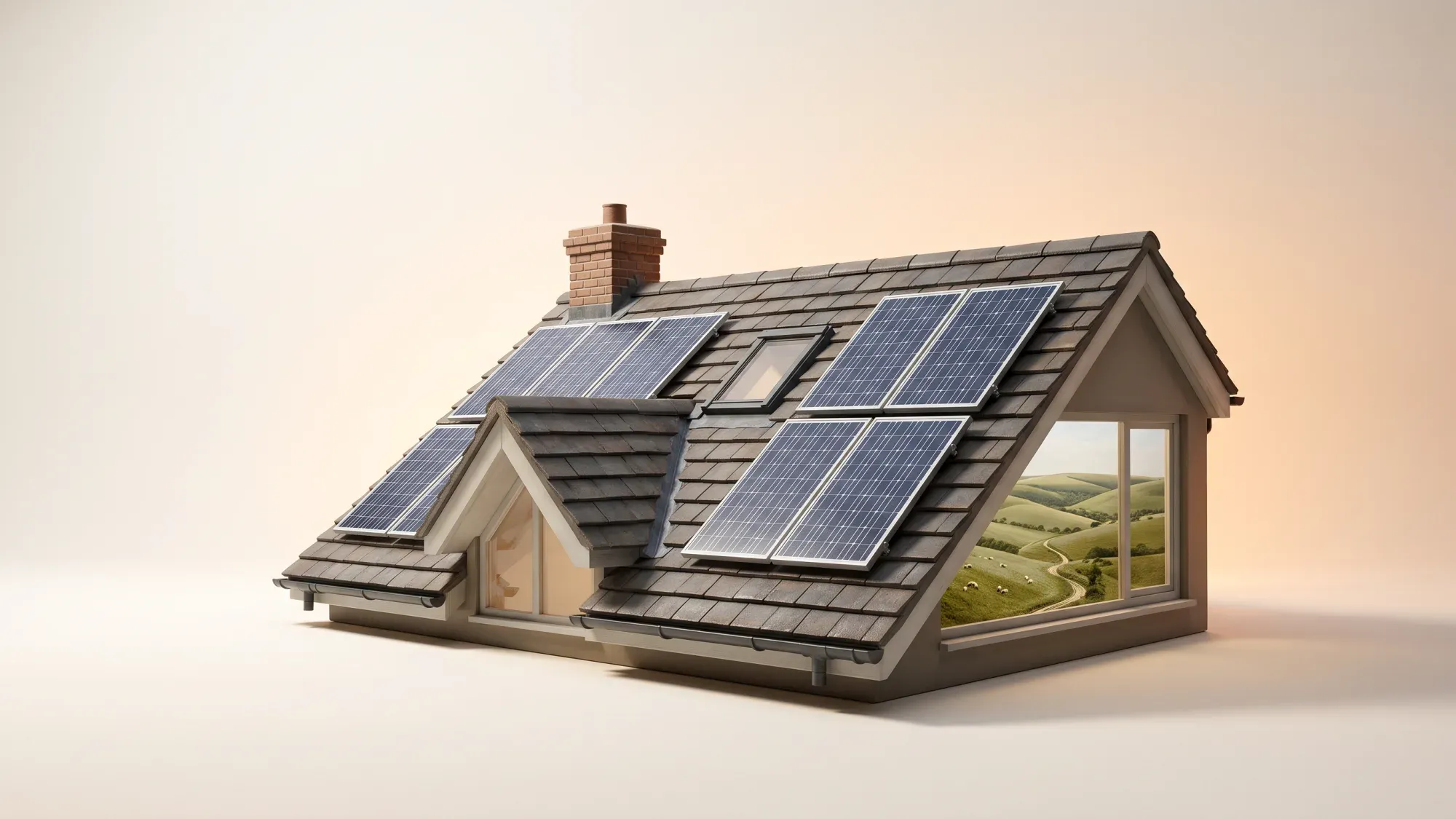
Sussex, with its varied landscape from the South Downs to vibrant coastal communities like Brighton and Chichester, benefits from some of the highest annual sunlight hours in the UK. This makes it an excellent location for homeowners considering solar panel installation. This natural advantage, combined with a growing desire for energy independence, positions solar as a smart investment for properties across the county, from traditional cottages to modern new builds. Installing solar panels allows you to generate your own clean electricity, significantly reducing reliance on the grid and offering a path to greater control over your home's energy future.
Why consider solar panels in Sussex?
Installing solar panels is more than just an energy upgrade; it is a strategic move towards a more sustainable and financially secure home. For Sussex homeowners, the benefits extend beyond environmental impact, touching on personal finance and property value.
Embracing energy independence
Generating your own electricity means less reliance on external energy suppliers and fluctuating market prices. Solar panels offer a tangible step towards energy autonomy, giving you control over your own generated electricity. This shift reduces your vulnerability to energy price hikes and supply uncertainties, fostering a sense of security and control over your household budget.
Reducing your energy bills
The most immediate and tangible benefit of solar panel installation is the reduction in your electricity bills. By producing a significant portion of your home's energy needs, you will draw less from the National Grid, leading to lower monthly outgoings. Any surplus electricity you generate can even be sold back to the grid, creating an additional income stream. Understanding your average monthly electric bill with solar panels can help you project these savings.
Boosting your home's value
Beyond the direct energy savings, solar panel installations can increase your property's appeal and market value. Homes with integrated renewable energy systems are increasingly attractive to buyers, who value lower running costs and environmental credentials. This makes solar panels a sound long-term investment in your property.
Sussex-specific solar considerations
While the general principles of solar energy apply nationwide, local factors significantly influence the viability and benefits of an installation. For Sussex homeowners, understanding these regional specifics is crucial.
Sunshine hours and regional benefits
Southern England, including Sussex, receives some of the UK's highest annual sunlight hours, making solar payback here among the best in the country. Even on cloudy days, modern photovoltaic (PV) panels generate electricity from diffuse daylight, ensuring useful output throughout the year. This consistent exposure to sunlight maximises the efficiency and financial returns of your solar investment. If you are wondering, do solar panels work on cloudy days? The answer is yes.
Understanding your local grid: UK Power Networks
In Sussex, the local Distribution Network Operator (DNO) is UK Power Networks. They are responsible for maintaining the electricity grid in the region, handling power cuts, and managing new grid connections. If you experience a power cut in Sussex, you should dial the free national number 105, which will route you directly to your DNO.
For new solar or battery grid connections, your installer will typically notify UK Power Networks under the G98/G99 process. This ensures your system is safely and legally connected to the local electricity network. G98 applies to smaller systems (up to 3.68kW per phase) and involves notification after installation, while G99 applies to larger systems and requires DNO approval before installation.
Ofgem's price cap in South East England
Sussex falls within the 'South East England' electricity distribution region for Ofgem's price cap1. This means the unit rates and daily standing charges for electricity in Sussex are determined by this regional cap, which is updated quarterly by Ofgem1. Price changes typically take place on 1 January, 1 April, 1 July, and 1 October. Understanding your region's price cap helps you calculate potential savings from generating your own electricity.
Financial incentives for solar in the UK
Several financial incentives are available to help homeowners in Sussex make the switch to solar, making the investment more accessible and attractive.
0% VAT relief explained
To encourage the adoption of renewable energy, the UK Government has implemented a 0% VAT rate on the installation of solar panels and battery storage systems across Great Britain. This relief was introduced in April 2022. This significant relief is currently set to expire on 31 March 20272, after which the VAT rate is expected to revert to 5%. This offers a substantial saving on the upfront cost of your installation.
The Smart Export Guarantee (SEG)
The Smart Export Guarantee (SEG) is a UK-wide scheme that requires larger licensed electricity suppliers to pay homeowners for any surplus solar electricity they export back to the National Grid. To qualify for the SEG, your solar panel installation must be Microgeneration Certification Scheme (MCS)-certified. This certification ensures that your installation meets high quality and safety standards, making you eligible for payments for the clean energy you contribute to the grid. You can also learn how to take an export meter reading guide to ensure you are paid correctly.
What is the SEG?
The SEG is a UK Government-backed scheme requiring energy suppliers to pay homeowners for excess renewable electricity exported to the grid. To be eligible, your solar installation must be MCS-certified, ensuring quality and safety standards are met. This allows you to earn money for the clean energy your home produces but doesn't use.
Potential savings and payback periods
While specific figures vary based on system size, energy consumption, and individual tariffs, installing solar panels in Sussex can lead to considerable long-term savings. The high sunlight hours in Southern England contribute to faster payback periods compared to other parts of the UK. With reduced electricity bills and potential income from the SEG, many homeowners find their solar investment pays for itself within a reasonable timeframe, after which they enjoy virtually free electricity. You can also consider the overall solar panel installation cost when planning your budget.
The solar panel installation process
Navigating the installation of solar panels can seem daunting, but understanding the steps involved can make the process smooth and straightforward.
Planning permission and grid connection (G98/G99)
Most domestic solar panel installations do not require planning permission, as they fall under "permitted development rights." However, this can vary if your property is listed, in a conservation area, or if the panels significantly alter the building's appearance. Your chosen installer will advise on specific requirements. Connecting your system to the grid in Sussex involves the G98/G99 process, which your MCS-certified installer will manage with UK Power Networks.
Choosing an MCS-certified installer
Selecting a reputable and MCS-certified installer is paramount. MCS certification is a quality assurance scheme that ensures installers meet rigorous standards for product quality, installation practices, and customer service. Without MCS certification, you will not be eligible for the SEG. Always obtain detailed quotes from multiple MCS-certified installers operating in the Sussex area to compare options and ensure you are getting the best value.
What to expect during installation
Once you have chosen an installer, the process typically involves a site survey, system design, and then the physical installation. This includes mounting the panels on your roof, installing the inverter (which converts direct current (DC) electricity from the panels into alternating current (AC) electricity for your home), and connecting the system to your consumer unit and the grid. The duration of the installation can vary, but most domestic projects are completed within a few days.
Maximising your solar investment
To truly unlock the full potential of your solar panel system in Sussex, consider integrating additional technologies and adopting smart energy management practices.
Integrating battery storage
Pairing your solar panels with battery storage is a powerful way to maximise your energy independence and savings. Batteries allow you to store surplus electricity generated during the day and use it during the evening or on cloudy days, rather than exporting it to the grid at a lower rate. This reduces your reliance on grid electricity even further and optimises your self-consumption.
"Integrating battery storage with solar panels is a game-changer for homeowners. It means you can capture every watt of energy your panels produce, using it when you need it most, rather than being forced to export it. This significantly boosts your energy independence and overall savings." — Fuse Energy Expert
Monitoring your energy generation
Many modern solar systems come with monitoring apps or online portals that allow you to track your energy generation and consumption in real-time. Regularly reviewing this data helps you understand your energy patterns, identify opportunities to use more of your self-generated power, and ensure your system is performing optimally.
Maintenance and warranties
Solar panels are generally low-maintenance, typically requiring occasional cleaning to remove dirt or debris. Most panels come with long performance warranties, often guaranteeing a certain level of output for 20-25 years. Inverters usually have shorter warranties, typically 5-10 years, but are often replaceable. Regular checks by your installer can help ensure the longevity and efficiency of your system.
Ready to make your Sussex home a power play?
Installing solar panels in your Sussex home is a powerful step towards energy independence, reduced bills, and a more sustainable lifestyle. With Southern England's favourable sunlight hours, clear financial incentives like 0% VAT relief and the SEG, and a straightforward installation process managed by MCS-certified professionals, now is an opportune time to consider this upgrade. Fuse Energy is committed to making home energy upgrades simple and transparent. Our app provides clear pricing, real-time usage data, and 24/7 human customer support, empowering you to make informed decisions about your home energy, giving you greater transparency and control over your energy future.
References
Disclaimer
For the avoidance of doubt, this article is provided for informational purposes only and is not intended to constitute legal or financial advice. The author and/or Fuse Energy shall not be responsible for any losses arising out of any reliance on the information contained herein.