Solar panel installation South East London
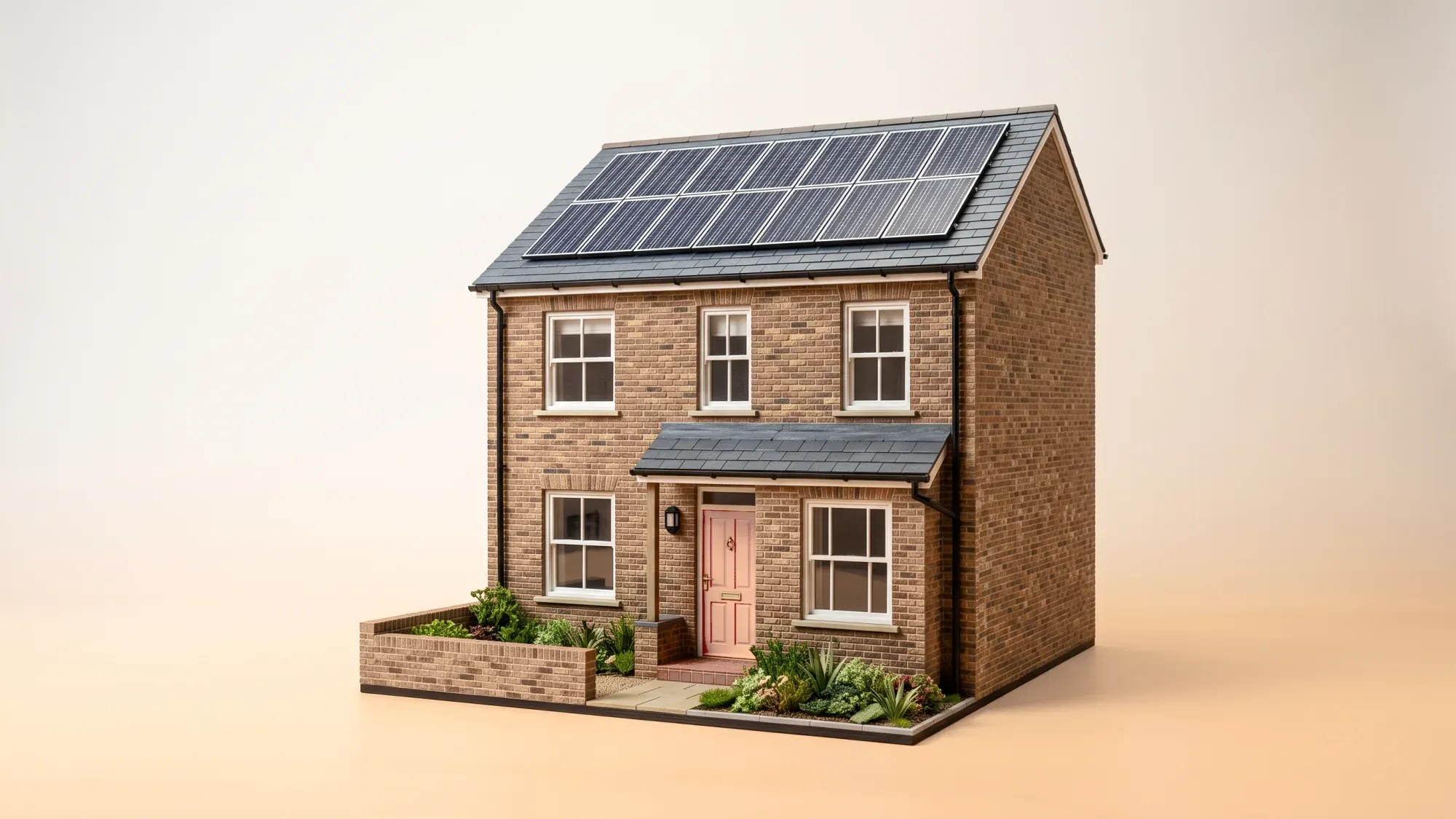
South East London, with its distinctive mix of Victorian terraces, post-war estates, and modern developments, presents unique opportunities for homeowners looking to install solar panels. While the capital's dense urban environment might seem challenging, the region benefits from some of the UK's highest annual sunlight hours, making solar a sound investment for reducing energy bills and gaining independence from the grid.
Why solar panels in South East London?
Installing solar panels offers a clear path to energy independence and significant savings, especially for homeowners in South East London. The decision to go solar is about more than just technology; it is about taking control of your home's energy future.
Harnessing London's sunlight
Despite common misconceptions about the UK's weather, Southern England, including London, receives ample sunlight to make solar panels highly effective. London benefits from some of the UK's highest annual sunlight hours, ensuring that solar payback periods are among the best in the country. Even on cloudy days, modern solar panels generate useful electricity from diffuse daylight, meaning your system will contribute to your energy needs year-round. You can learn more about how solar panels work on cloudy days.
Energy independence for urban homes
For many, the appeal of solar panels lies in reducing reliance on traditional energy suppliers and fluctuating prices. Generating your own electricity means less dependence on the National Grid, offering a buffer against rising energy costs. This independence is particularly valuable in London, where electricity distribution regions and price caps can influence unit rates and daily standing charges.
Reducing your carbon footprint
Beyond financial savings, installing solar panels is a tangible step towards a more sustainable lifestyle. By converting sunlight into clean electricity, you directly reduce your household's carbon emissions, contributing to a greener future for London and beyond. It is a practical way to make a positive environmental impact from your own home.
Local considerations for South East London homeowners
London's unique characteristics mean that installing solar panels requires specific local knowledge, from understanding energy infrastructure to navigating planning rules.
Understanding London's energy region and DNO
London sits in the "London" electricity distribution region for Ofgem's price cap, meaning its unit rates and daily standing charges are set specifically for this area. This local pricing structure directly impacts your potential savings from solar. Crucially, the local Distribution Network Operator (DNO) for London is UK Power Networks. They are responsible for maintaining the electricity cables and infrastructure in the region. If you experience a power cut, for instance, London residents dial the free national number 105, which routes directly to UK Power Networks for assistance.
What is a DNO?
A DNO is the company responsible for delivering electricity from the national transmission system to your home. In London, UK Power Networks manages the local electricity grid, ensuring power is distributed safely and efficiently to properties across the region.
Navigating planning permissions and housing types
London's diverse housing stock, from historic Victorian and Georgian terraces to modern flats, means planning permissions can be a key consideration. While many solar panel installations fall under "permitted development" rights, certain areas, such as conservation areas or listed buildings, will require specific planning consent from your local council. An experienced installer familiar with South East London's boroughs can guide you through these requirements, ensuring your project complies with local regulations.
Grid connection: the G98/G99 process
Connecting your new solar panel system and any accompanying battery storage to the grid in London involves a formal process with UK Power Networks. This is known as the G98/G99 process. For smaller installations (up to 16amps per phase), the G98 process applies, typically requiring notification to the DNO. For larger systems, the G99 process involves a more detailed application and approval. Your MCS-certified installer will usually handle this on your behalf, ensuring all technical and regulatory requirements are met for a safe and compliant connection.
Financial benefits and incentives
The financial landscape for solar panel installation in the UK is currently very favourable, with key incentives designed to make renewable energy more accessible and affordable for homeowners.
0% VAT on solar and battery storage
A significant incentive for homeowners considering solar is the 0% VAT rate on the installation of solar panels and battery storage systems across Great Britain1. This tax relief is in place until 31 March 2027, offering substantial upfront savings on your initial outlay for your home energy upgrade. This makes the investment even more attractive, directly reducing the initial cost for your home energy upgrade. From 1 April 2027, the VAT rate is set to rise to 5%.
The Smart Export Guarantee (SEG)
Once your solar panels are installed and connected to the grid, you can benefit from the Smart Export Guarantee (SEG). This UK-wide scheme mandates larger licensed electricity suppliers to pay you for any surplus electricity your system exports back to the grid. To qualify for SEG payments, your installer must be certified by the Microgeneration Certification Scheme (MCS). The rates offered by suppliers vary, so it is worth comparing options to maximise your earnings.
Maximising savings with battery storage
While solar panels generate electricity during daylight hours, battery storage allows you to store any excess energy for use later, such as in the evenings or overnight. This maximises your self-consumption, further reducing your reliance on grid electricity and increasing your overall savings. For London homes, where energy costs can be influenced by regional price caps, optimising self-consumption with a battery can significantly enhance the financial benefits of your solar installation.
The solar panel installation process
Installing solar panels is a multi-step process, but with the right guidance and an accredited installer, it can be straightforward.
Finding an MCS-certified installer
The first and most critical step is to choose an MCS-certified installer. MCS certification ensures that your installer meets high standards of quality and competence, and it is a mandatory requirement for qualifying for financial incentives like the SEG. When researching installers in South East London, look for those with a proven track record and local expertise. They should be able to provide references and detailed quotes.
What to expect during installation
Once you have chosen an installer, they will conduct a detailed site survey to assess your roof's suitability, shading, and structural integrity. They will then design a system tailored to your home's energy needs and handle all necessary paperwork, including DNO applications. The physical installation typically involves mounting the panels on your roof, installing the inverter, and connecting any battery storage. The process usually takes a few days, depending on the system's complexity.
Post-installation: activating your system
After installation, your system will be commissioned, tested, and connected to the grid. Your installer will provide you with all the necessary documentation, including your MCS certificate. You can then register for the SEG with your chosen energy supplier to start earning from your exported electricity. You will also learn how to monitor your system's performance, often through a dedicated app, giving you transparency and control over your new energy generation.
Choosing the right solar partner
Making an informed decision about your solar installation means asking the right questions and ensuring long-term support.
Questions to ask your installer
When obtaining quotes, do not hesitate to ask detailed questions:
- Are you MCS certified?
- Do you have experience with installations in South East London, particularly with similar housing types to mine?
- How do you handle planning permissions and the G98/G99 application with UK Power Networks?
- What warranties do you offer on the panels, inverter, battery, and workmanship?
- Can you provide references from previous customers?
- What after-sales support and maintenance services do you provide?
Ensuring long-term performance and support
A solar panel system is a long-term investment, so choosing a partner who offers reliable after-sales support is crucial. This includes regular maintenance checks, performance monitoring, and prompt assistance if any issues arise. By choosing a reputable and experienced installer, you ensure your system operates efficiently for years to come, maximising your energy savings and environmental benefits.
References
Disclaimer
For the avoidance of doubt, this article is provided for informational purposes only and is not intended to constitute legal or financial advice. The author and/or Fuse Energy shall not be responsible for any losses arising out of any reliance on the information contained herein.