Solar panel installation in Salisbury
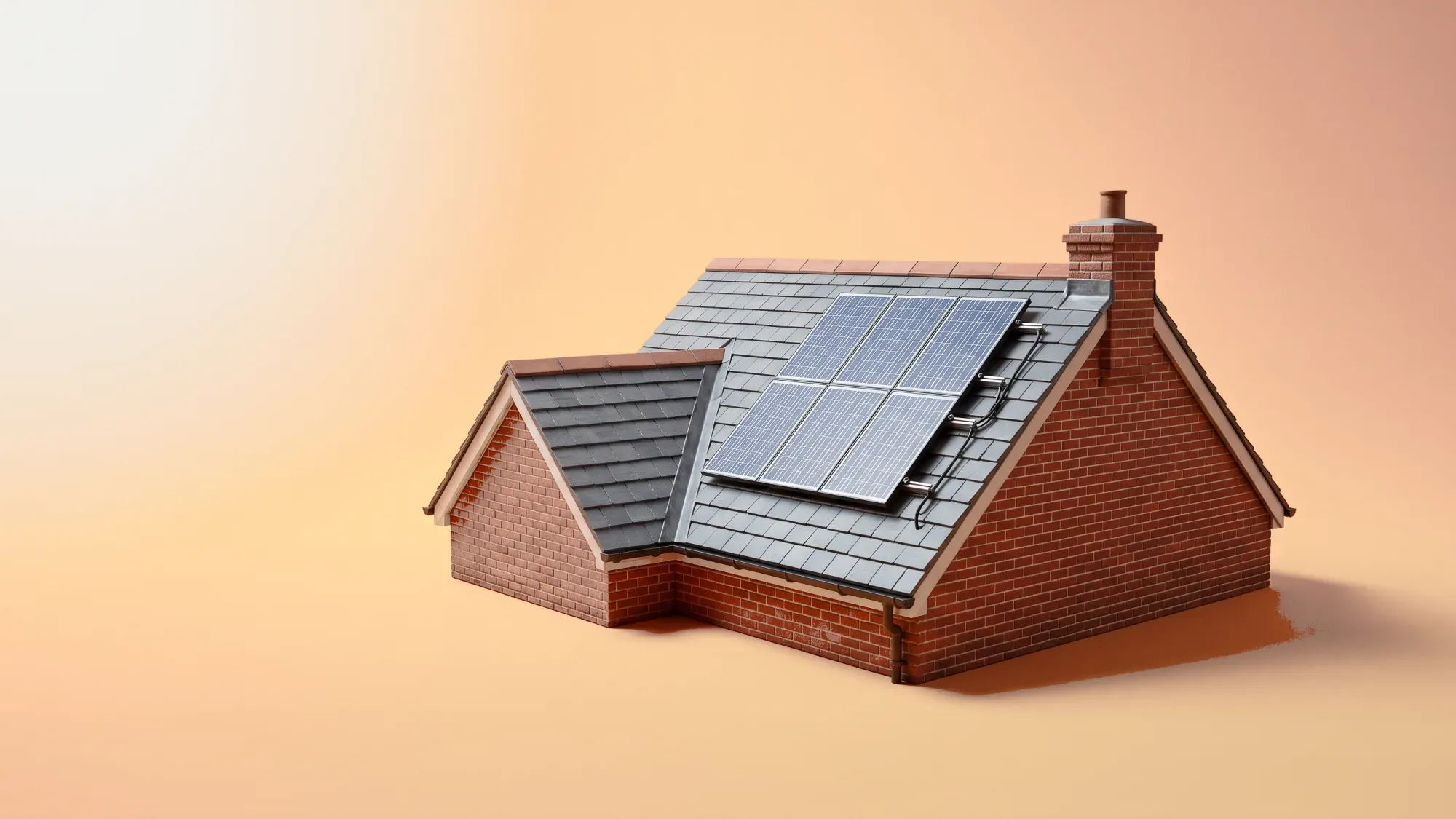
Salisbury, a historic cathedral city in Southern England, offers homeowners a prime opportunity to embrace solar energy. Its advantageous position provides some of the UK's highest annual sunlight hours, making it an excellent location for solar power generation. Installing solar panels is a strategic move for residents looking to reduce energy bills, gain greater energy independence, and contribute to a sustainable future. This guide provides clear, localised information on navigating solar panel installation in Salisbury, from understanding local regulations to choosing the right installer and maximising your investment.
Why consider solar panels for your Salisbury home?
Investing in solar panels for your Salisbury home is more than an environmental choice; it is a practical financial decision that offers long-term benefits.
Reducing energy bills and carbon footprint
Solar panels convert sunlight into electricity, directly reducing the amount of power you need to buy from the grid. This can lead to significant savings on your monthly energy bills. Furthermore, by generating your own clean electricity, you decrease your reliance on fossil fuels, thereby lowering your household's carbon footprint and contributing to national decarbonisation efforts. Understanding how solar panels can impact your average monthly electric bill with solar panels is key to appreciating these savings.
Increasing energy independence
Generating your own electricity provides a buffer against fluctuating energy prices and potential supply disruptions. With solar panels, especially when paired with battery storage, Salisbury homeowners can achieve greater energy independence, knowing they have a reliable power source at home. This control over your energy supply is a powerful advantage in today's energy landscape.
Boosting property value
Homes equipped with solar panels are increasingly attractive to buyers. A solar installation can enhance your property's market value, reflecting not only the potential for lower running costs but also the appeal of a modern, energy-efficient home. This makes solar panels a sound long-term investment for your property.
Salisbury's solar advantage: local specifics
Salisbury's location in Southern England provides unique benefits and considerations for solar panel installations.
Sunlight hours and payback potential
Southern England receives some of the UK's highest annual sunlight hours, making Salisbury an excellent location for solar energy generation. This abundance of sun contributes to a strong solar payback potential, meaning your investment can yield returns more quickly than in less sunny regions. Even so, UK panels generate usefully in diffuse daylight, not just direct sun, ensuring consistent performance throughout the year. If you are wondering do solar panels work on cloudy days, the answer is yes, they do.
Understanding Salisbury's energy region (SSEN and price cap)
Salisbury sits in the 'Southern England' electricity distribution region for Ofgem's price cap. This means the unit rates and daily standing charges for electricity in Salisbury are specific to this region, differing from other parts of the country. The local Distribution Network Operator (DNO) for Salisbury is Scottish and Southern Electricity Networks (SSEN). In the event of a power cut, Salisbury residents should dial the free national number 105, which routes directly to their DNO. You can also find your network operator by postcode using the Energy Networks Association (ENA) "Find my network operator" tool.
Navigating grid connection (G98/G99)
Connecting a new solar or battery system to the local electricity network in Salisbury involves a process known as G98/G99. This regulatory framework ensures that small-scale generation systems are safely and correctly integrated into the grid. Your installer typically handles the notification to SSEN, Salisbury's DNO, under the G98/G99 process, simplifying the procedure for homeowners.
The solar panel installation process in Salisbury
Installing solar panels involves several key stages, from initial planning to final commissioning.
Initial assessment and design
The first step is a detailed assessment of your home's suitability for solar. An installer will evaluate your roof's size, orientation, and angle, as well as shading from nearby trees or buildings. They will then design a system tailored to your energy needs and property characteristics, providing a clear proposal of expected generation and savings.
Permits and approvals
Before installation, your chosen installer will manage any necessary permits and approvals. This can include planning permission, though many domestic solar installations fall under permitted development rights. They will also handle the notification process with SSEN under the G98/G99 regulations for grid connection.
Installation and commissioning
Once approvals are in place, the physical installation of the solar panels and associated equipment begins. This typically involves mounting the panels on your roof, installing an inverter to convert direct current (DC) electricity to alternating current (AC), and connecting the system to your home's electrical supply and the National Grid. After installation, the system is commissioned, tested to ensure it is operating safely and efficiently, and certified.
Financial incentives and support for Salisbury homeowners
Several financial incentives are available to help Salisbury homeowners make solar panel installation more affordable.
0% VAT relief on solar and battery storage
Homeowners in Great Britain benefit from a 0% Value Added Tax (VAT) relief on the installation of solar panels and battery storage systems1. This significant government incentive applies to residential properties and charitable bodies. It covers solar panels, battery storage (including standalone or retrofit installations since February 2024), and associated installation costs. The relief is currently available until 31 March 20271, making now an opportune time to invest in renewable energy for your home. After this date, the VAT rate is expected to revert to 5%.
What is the 0% VAT relief for solar panels?
The 0% VAT relief is a government incentive applicable across Great Britain, making solar panel and battery storage installations more affordable. It means you pay no VAT on the cost of these installations until 31 March 2027, provided the work is carried out by a professional installer. This can lead to substantial savings on the overall project cost for Salisbury homeowners.
The Smart Export Guarantee (SEG)
The Smart Export Guarantee (SEG) is a government-backed scheme that requires larger licensed energy suppliers to pay homeowners for any surplus renewable electricity they export to the National Grid. To qualify for SEG payments, your solar panel installation must be carried out by a Microgeneration Certification Scheme (MCS)-certified installer. This ensures your system meets the necessary quality and safety standards. You can learn more about how to take an export meter reading guide to get paid correctly.
Finding local grants and schemes
While there are no specific local grants for solar panels unique to Salisbury, homeowners should always check for any broader national or regional schemes that may become available. Your chosen MCS-certified installer can often provide information on current eligibility criteria and application processes for any applicable incentives.
Choosing the right solar installer in Salisbury
Selecting a reputable and qualified installer is crucial for a successful solar panel installation.
The importance of MCS certification
MCS certification is a mark of quality and competence for installers of renewable energy technologies. For Salisbury homeowners, choosing an MCS-certified installer is essential not only for peace of mind regarding the quality of work but also because it is a mandatory requirement to qualify for financial incentives like the SEG.
Questions to ask potential installers
When obtaining quotes, ask potential installers about their experience, their MCS certification status, and their approach to system design. Inquire about the specific components they use, warranties offered, and how they handle the grid connection process with SSEN. A transparent installer will be happy to answer all your questions thoroughly.
Getting multiple quotes
Always obtain and compare multiple quotes from different MCS-certified installers in the Salisbury area. This allows you to assess different system designs, equipment options, and pricing structures. Ensure each quote includes a detailed breakdown of costs, an explanation of the grid connection process, and estimated energy generation.
Maximising your solar investment: beyond panels
To truly unlock the potential of your solar panels and achieve greater energy independence, consider integrating them into a broader home energy management system.
Integrating battery storage
Pairing solar panels with battery storage allows you to store excess electricity generated during the day for use when the sun is not shining, such as in the evenings or during peak demand. This reduces your reliance on grid electricity even further and maximises your self-consumption of renewable energy.
Smart home energy management
Advanced home energy management systems can optimise how your solar-generated electricity is used. These systems can intelligently direct power to appliances when it is most abundant, manage battery charging and discharging, and even interact with smart tariffs to buy and sell electricity at the most opportune times.
EV charging and solar synergy
For electric vehicle (EV) owners in Salisbury, integrating an EV charging point with your solar panel system creates a powerful synergy. You can charge your EV directly with your own clean, free solar energy, further reducing your running costs and carbon footprint. This holistic approach to home energy, where solar, battery storage, and EV charging work together, represents a true 'power play' for homeowners, offering unparalleled control and independence over their energy supply.
References
Disclaimer
For the avoidance of doubt, this article is provided for informational purposes only and is not intended to constitute legal or financial advice. The author and/or Fuse Energy shall not be responsible for any losses arising out of any reliance on the information contained herein.