Solar panel installation in Richmond
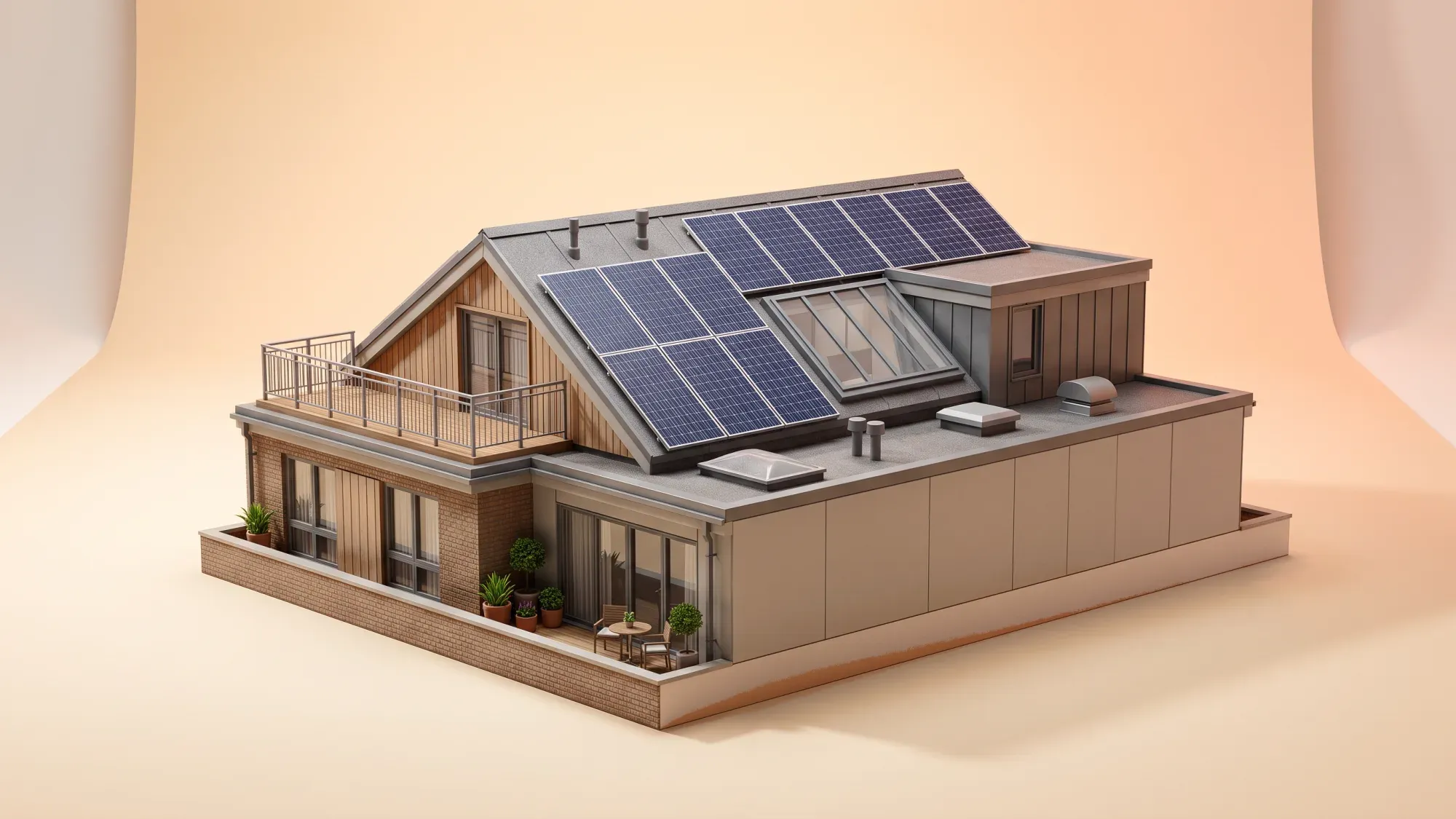
For Richmond homeowners, nestled in one of Southern England's sunniest regions, installing solar panels is a strategic move to gain control over your home's energy future. With its distinctive blend of Victorian terraces and modern family homes, Richmond offers an ideal landscape for harnessing sunlight, transforming your property into a hub of clean, self-generated power. Fuse Energy is here to guide you through this journey, ensuring you understand not only the significant financial and environmental benefits but also the specific local considerations that make solar in Richmond a smart investment.
Why install solar panels in your Richmond home?
Installing solar panels offers a compelling combination of financial, property, and environmental advantages, making a sound investment for Richmond residents.
Reducing your energy bills
Generating your own electricity significantly reduces your reliance on grid power, directly impacting your monthly energy expenditure. By producing your own power, you offset these costs, especially during peak usage times. The more electricity your panels generate and you consume directly, the less you will need to buy from your supplier, leading to noticeable savings. Understanding how solar panels can change your energy consumption can help you manage your bills effectively.
Increasing property value
Homes equipped with solar panels often see an increase in their market value. Buyers are increasingly looking for energy-efficient properties with lower running costs, and a professionally installed solar system signals a modern, forward-thinking home. This upgrade can make your Richmond property more attractive in a competitive housing market.
Environmental impact
Choosing solar power means reducing your household's carbon footprint. Solar panels produce clean, renewable energy, decreasing demand for electricity generated from fossil fuels. This contributes to a healthier environment and aligns with broader efforts to combat climate change, giving you a tangible way to support a sustainable future.
Richmond-specific considerations for solar panels
While the core technology of solar panels remains universal, local factors in Richmond play a crucial role in planning and implementing your installation.
Local planning permission
Most domestic solar panel installations in England are considered "permitted development," meaning they do not require formal planning permission from the local council, provided certain conditions are met. These conditions typically relate to how far panels protrude from the roof and their height relative to the roofline. However, Richmond, with its many conservation areas and listed buildings, may have stricter rules. For instance, panels on a wall facing a highway in a conservation area or on a listed building will likely require specific consent. It is always best to check with the London Borough of Richmond upon Thames planning department or your installer to confirm requirements for your specific property. The council also offers free pre-application advice for energy-efficiency improvements like solar panels.
Connecting to UK Power Networks (G98/G99)
The local Distribution Network Operator (DNO) for Richmond is UK Power Networks. Any new home EV charger or solar/battery grid connection in Richmond must be notified to UK Power Networks (chargers via the ENA connect-and-notify route; solar or battery systems under G98/G99). This ensures your system can safely connect to and operate within the local electricity grid without causing issues.
What is the G98/G99 process?
G98 and G99 are UK grid connection standards that define the rules for connecting energy equipment like solar panels and batteries to the electricity Network1. G98 applies to smaller systems, specifically those with an inverter output of up to 3.68kW per phase for single-phase connections. This requires notification to the DNO after installation. G99 covers larger systems, needing prior approval from the DNO before installation can begin.
Your chosen solar installer will typically handle this application process on your behalf. If you experience a power cut in Richmond, you should dial the free national number 105, which will route you directly to UK Power Networks.
Maximising Southern England's sunlight
Richmond benefits significantly from its location in Southern England, which receives some of the highest annual sunlight hours in the UK. This optimal solar irradiance enhances the efficiency and financial payback of solar panel installations in the area. While direct sunlight is ideal, modern solar panels are highly efficient and still generate electricity effectively even on cloudy or overcast days, converting diffuse daylight into usable power.
The solar panel installation process explained
Installing solar panels involves several key stages, from initial assessment to final connection and ongoing maintenance. For a comprehensive overview, you can refer to our guide on solar panel installation.
Initial assessment and design
The first step is a thorough assessment of your home's suitability for solar. This includes evaluating your roof's orientation (south-facing is generally best), pitch, and any potential shading from trees or neighbouring buildings. Your energy consumption patterns will also be analysed to design a system that meets your needs. This is also the stage to consider integrating battery storage, which allows you to store excess solar electricity for use when the sun is not shining, maximising self-consumption and energy independence.
Installation and grid connection
Once the design is finalised and any necessary permissions are secured, the physical installation of the solar panels and associated equipment begins. This typically involves mounting the panels on your roof, installing an inverter to convert the direct current (DC) electricity from the panels into alternating current (AC) for your home, and connecting it to your consumer unit. The installer will also manage the grid connection process with UK Power Networks, ensuring all G98/G99 requirements are met.
Post-installation and maintenance
After installation, your system will be commissioned and certified. You will receive documentation, including an MCS certificate, which is vital for accessing financial incentives. Modern solar systems require minimal maintenance, usually just an annual check-up and occasional cleaning of the panels. Many systems come with monitoring apps, allowing you to track your energy generation and consumption in real-time.
Costs and financial incentives for Richmond solar
Understanding the financial aspects of solar panel installation is key to making an informed decision. You can learn more about solar panel installation cost to help with your planning.
Understanding installation costs
The cost of installing solar panels in Richmond varies depending on factors such as the size of the system, the type of panels, whether battery storage is included, and the complexity of your roof. While it represents an upfront investment, the long-term savings on energy bills and potential earnings from exporting surplus electricity can lead to a favourable payback period.
0% VAT relief
A significant financial incentive for homeowners in Great Britain is the 0% VAT relief on solar panel and battery storage installations. This relief applies until 31 March 20272, reducing the upfront cost of your system by eliminating the VAT charge. After this date, the VAT rate is currently scheduled to revert to 5%3.
The Smart Export Guarantee
The Smart Export Guarantee (SEG) is a UK-wide scheme that requires larger licensed energy suppliers to pay homeowners for any surplus solar electricity they export to the National Grid. This means you can earn money for the electricity your panels generate but your home does not immediately use. To qualify for SEG payments, your solar installation must be MCS-certified and you will need a smart meter capable of providing half-hourly export readings.
Choosing the right solar installer in Richmond
Selecting a reputable and qualified installer is paramount for a successful solar panel installation.
Importance of MCS certification
Always choose an installer who is certified under the Microgeneration Certification Scheme (MCS). MCS certification ensures that your installer meets high standards of quality and competence, and that the products they install are reliable and perform as expected. Crucially, MCS certification is a mandatory requirement for homeowners to qualify for SEG payments.
Local reputation and reviews
Look for installers with a strong local presence and positive reviews from other Richmond homeowners. Checking testimonials and case studies can provide insight into their experience with properties similar to yours and their understanding of local considerations.
What to ask potential installers
When obtaining quotes, ask potential installers about their MCS certification, their experience with installations in conservation areas (if applicable), how they handle the G98/G99 grid connection process, and what warranties they offer on both equipment and workmanship. A transparent installer will provide clear answers and a detailed breakdown of costs and expected performance.
References
Disclaimer
For the avoidance of doubt, this article is provided for informational purposes only and is not intended to constitute legal or financial advice. The author and/or Fuse Energy shall not be responsible for any losses arising out of any reliance on the information contained herein.