Solar panel installation in Preston
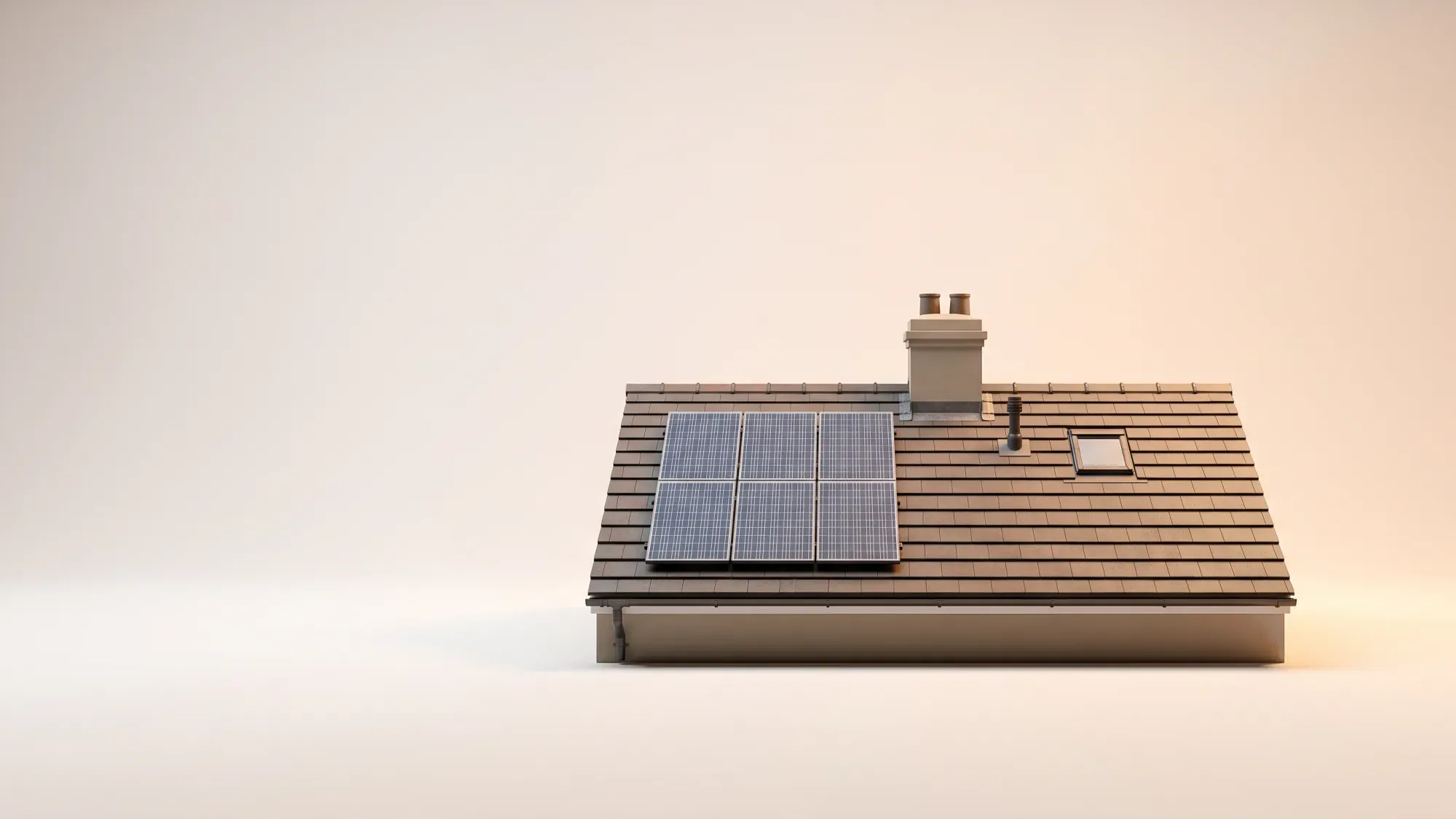
Preston, with its mix of historic Victorian terraces and modern homes, offers unique opportunities for homeowners looking to embrace solar panels. While North West England receives less direct sunlight than the south, modern solar photovoltaic (PV) systems remain highly effective, especially when paired with correctly oriented roofs and integrated battery storage to capture diffuse daylight. This guide provides Preston homeowners with clear, locally relevant information on the benefits, costs, and installation process of solar panels, helping you make an informed decision and find a trusted local installer.
Why consider solar panels in Preston?
The benefits for Preston homeowners
Installing solar panels offers Preston residents a strategic advantage, transforming homes into hubs of energy independence. Generating your own electricity can significantly reduce reliance on grid power, leading to lower energy bills and greater control over your household's energy consumption. Beyond financial savings, solar panels contribute to a greener lifestyle by cutting carbon emissions, aligning with broader environmental goals. The ability to generate your own power also provides a buffer against fluctuating energy prices, offering long-term financial stability.
Addressing North West sunlight concerns
Concerns about solar panel viability in North West England are common, but modern solar PV technology performs well even with less direct sunlight. Preston's solar systems benefit significantly from diffuse daylight, meaning they can still generate electricity on cloudy days. The key to maximising efficiency in this region lies in correct roof orientation - ideally south-facing - and the strategic integration of battery storage. Battery systems allow you to store surplus electricity generated during the day and use it during peak demand or after sunset, optimising self-consumption and potentially lowering your average monthly electric bill with solar panels. Without battery storage, excess generation would be exported to the grid, potentially at a lower rate than you pay for imports.
Understanding solar panel costs and savings in Preston
Typical installation costs
The cost of solar panel installation in Preston varies based on system size, panel efficiency, roof complexity, and whether battery storage is included. While generic national estimates exist, local factors, property types, and specific installation complexities in Preston will influence the final price. It is crucial to obtain multiple quotes from MCS-certified installers to get an accurate understanding of the investment required for your specific home.
Grants and incentives: 0% VAT and SEG
Several incentives make solar panel installation more attractive for Preston homeowners. A 0% VAT rate applies to solar panel and battery storage installations across Great Britain until 31 March 20271. This temporary government measure can make a substantial difference to your overall investment, as the rate is scheduled to revert to 5% from 1 April 2027.
Furthermore, the Smart Export Guarantee (SEG) mandates larger licensed energy suppliers to pay homeowners for surplus electricity exported to the grid. To qualify for the SEG, your solar panel installation must be MCS certified. This certification ensures your system meets high quality and safety standards, making it eligible for government-backed financial incentives. You can also learn how to take an export meter reading guide to ensure you get paid correctly.
Regional electricity prices and your savings
Preston falls within the 'North West England' electricity distribution region, meaning its electricity unit rates and daily standing charges are subject to Ofgem's regional price cap. This regional variation means that the savings from generating your own electricity can differ from other parts of the UK. By reducing the amount of electricity you purchase from the grid, you directly mitigate the impact of these regional price caps on your household budget. Understanding your local electricity rates is essential for accurately calculating the potential financial benefits of a solar PV system.
The solar panel installation process in Preston
Choosing the right system and installer
The first step in your solar journey involves assessing your home's energy needs and determining the optimal system size and type of panels. An MCS-certified installer will conduct a site survey, considering your roof's orientation, shading, and structural integrity. They will then design a system tailored to your property, ensuring maximum energy generation. For more details on the process, you can read about solar panel installation.
Local grid connection: Electricity North West and G98/G99
Electricity North West is the local Distribution Network Operator (DNO) for Preston, responsible for the electricity grid in the area. New solar panel and battery storage grid connections in Preston require notification to Electricity North West under the G98/G99 process. This regulatory requirement ensures that your new system can safely and effectively connect to the local grid without causing disruptions. Reputable installers typically manage this notification process on your behalf, handling all necessary paperwork and liaising with Electricity North West. In the event of a power cut, Preston residents can dial the free national number 105, which routes directly to Electricity North West.
What to expect during installation
Once your system design is finalised and grid connection notifications are in progress, the physical installation can begin. This typically involves mounting the solar panels on your roof, installing the inverter (which converts DC electricity from the panels to AC electricity for your home), and integrating any battery storage. The installer will also handle the electrical wiring and ensure all components are safely connected and commissioned. The process usually takes a few days, depending on the system's complexity.
Finding a trusted solar installer in Preston
The importance of MCS certification
Choosing an MCS-certified installer is not just about quality assurance; it's a critical requirement for accessing financial incentives like the SEG for solar energy. MCS certification indicates that an installer meets rigorous standards for product quality, installation practices, and customer service. Always verify an installer's MCS certification before committing to any work.
What is MCS certification?
MCS (Microgeneration Certification Scheme) certification is a quality assurance scheme for renewable energy technologies and installers in the UK. It ensures that products and installers meet strict standards, providing consumer protection and enabling access to government incentives like the SEG for solar panels.
Questions to ask potential installers
When evaluating potential solar contractors in Preston, ask specific questions to ensure you choose a reliable and experienced provider:
- Are you MCS certified? (Crucial for SEG eligibility)
- Can you provide references from local installations in Preston?
- What warranties do you offer on panels, inverters, and workmanship?
- How do you handle the G98/G99 notification process with Electricity North West?
- What are the estimated timelines for installation and commissioning?
Local reviews and testimonials
Checking local reviews and testimonials can provide valuable insights into an installer's reputation and customer satisfaction. Look for feedback from other Preston homeowners regarding their experience with the installer's professionalism, efficiency, and after-sales support. A strong local presence and positive word-of-mouth are good indicators of a trusted provider.
Maximising your solar investment with battery storage
Why battery storage matters in Preston
For homes in Preston and across the North West, battery storage is a game-changer for solar PV systems. Given the region's climate, which often features diffuse daylight rather than intense direct sun, optimising self-consumption is key. Battery storage allows you to capture and store excess solar energy generated during the day, rather than exporting it all to the grid. This stored energy can then be used in the evenings or on less sunny days, significantly increasing your energy independence and further reducing your electricity bills.
Integrating solar and battery systems
Integrating solar panels with a battery storage system creates a more resilient and efficient home energy solution. The combined system allows you to make the most of every ray of sunlight, even when generation is lower. Modern inverters and energy management systems ensure seamless operation, intelligently directing power where it's needed most - to your home, to the battery, or to the grid. This integration is a strategic move for Preston residents looking to take full control of their energy costs and consumption, turning their home into a hub of energy abundance.
References
Disclaimer
For the avoidance of doubt, this article is provided for informational purposes only and is not intended to constitute legal or financial advice. The author and/or Fuse Energy shall not be responsible for any losses arising out of any reliance on the information contained herein.