Solar panel installation North Yorkshire
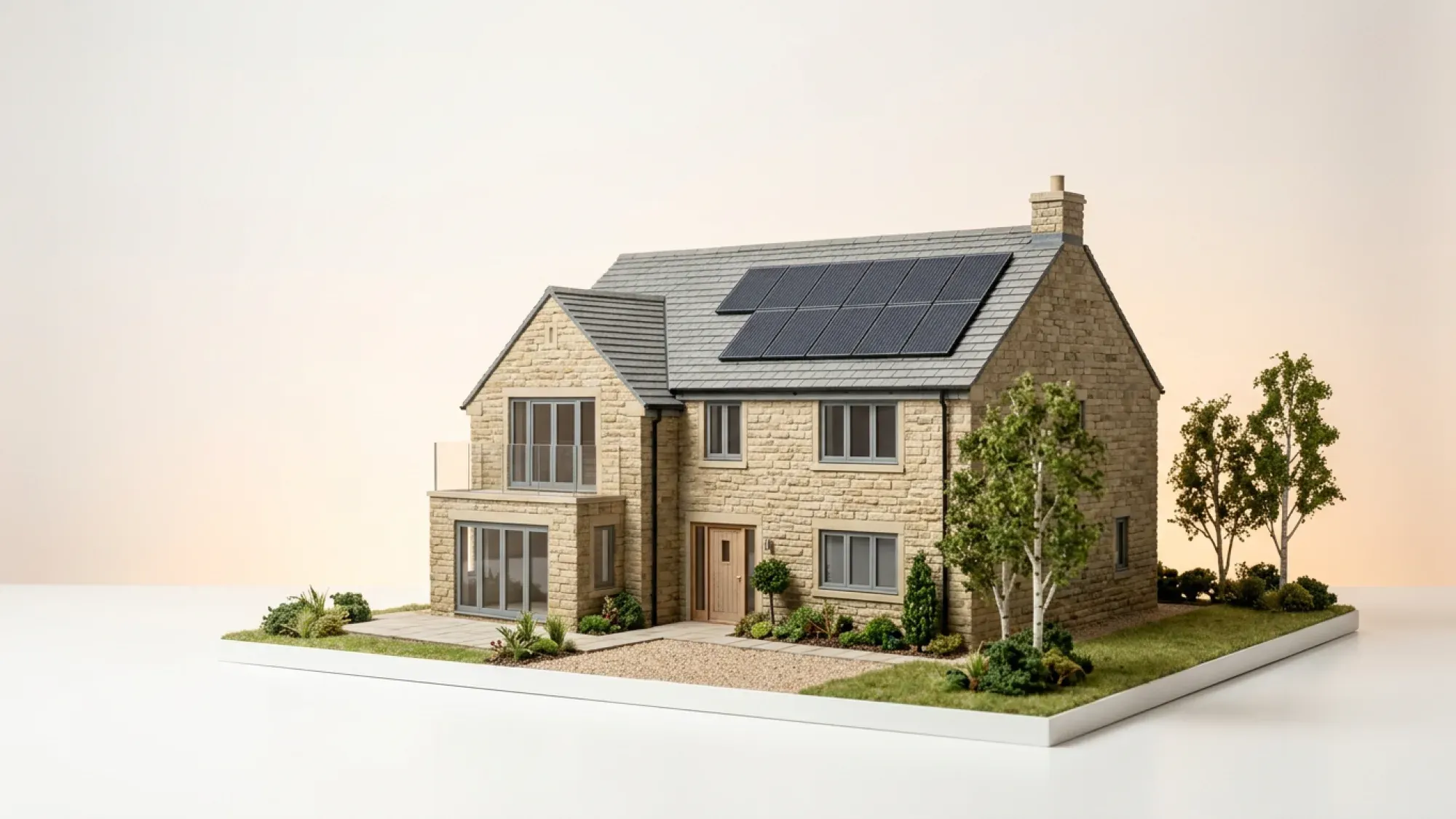
North Yorkshire, with its stunning Dales, historic towns, and rugged coastline, offers a unique setting for homeowners considering solar panel installation. From traditional stone-built properties to Victorian terraces and newer developments, the county's diverse housing stock presents various opportunities for harnessing solar energy. While northern parts of the UK, including North Yorkshire, receive fewer annual direct sunlight hours than the south, solar photovoltaic (PV) systems remain highly effective. This is due to their ability to generate electricity from diffuse daylight, making careful planning, correct roof orientation, and the integration of battery storage crucial for maximising output and energy independence in the region.
Why solar panels in North Yorkshire?
Investing in solar panels in North Yorkshire is a strategic move for homeowners looking to reduce energy costs, enhance property value, and contribute to a more sustainable future. The benefits extend beyond environmental impact, offering tangible financial advantages in a region with its own specific energy characteristics.
North Yorkshire's unique energy landscape
North Yorkshire falls within the "Yorkshire" electricity distribution region. This means unit rates and daily standing charges can differ from other parts of Great Britain, with these caps updated quarterly by Ofgem. The local Distribution Network Operator (DNO) responsible for managing the electricity grid in North Yorkshire is Northern Powergrid. This is important for new solar or battery grid connections, which are notified to Northern Powergrid under the G98/G99 process. This procedure is typically handled by your chosen installer. Should you experience a power cut, North Yorkshire residents can dial the free national number 105, which routes directly to their DNO.
Benefits for your home and wallet
Installing solar panels can significantly reduce your reliance on grid electricity, leading to substantial savings on your energy bills. A typical 4kWp (kilowatt peak) solar system in the UK can cut electricity bills by around 50-70% annually, potentially saving hundreds of pounds each year. With battery storage, these savings can increase further, sometimes exceeding 75%. Beyond immediate savings, solar panels can increase your property's value, making your home more attractive to potential buyers who are increasingly seeking energy-efficient features. Furthermore, by generating your own clean electricity, you contribute directly to reducing carbon emissions, aligning with regional and national sustainability goals. You can also explore how solar panels impact your average monthly electric bill with solar panels.
Understanding solar panel costs and incentives
The upfront cost of a solar panel system is an important consideration, but various incentives and long-term savings make it a worthwhile investment for many North Yorkshire homeowners.
Average costs for solar and battery storage
While specific costs vary based on system size, panel type, and installation complexity, a typical 4kW solar system in the UK might cost between £5,500 and £8,000 in 2026. Including battery storage can increase the initial outlay, with a 4-5kWh battery typically costing an additional £3,000 to £5,000. However, battery storage significantly boosts energy independence and maximises self-consumption of generated electricity. It's crucial to obtain multiple detailed quotes from MCS-certified installers to understand the full scope and solar panel installation cost for your specific property.
0% VAT and the Smart Export Guarantee (SEG)
Homeowners in Great Britain benefit from 0% VAT on solar panel and battery storage installations until 31 March 2027. This incentive significantly reduces the upfront cost of going solar. From 1 April 2027, the VAT rate is legislated to revert to 5%.
The Smart Export Guarantee (SEG) is another key incentive, a UK-wide scheme that requires larger licensed energy suppliers to pay homeowners for surplus solar electricity exported to the grid. To qualify for SEG payments, your solar PV system must be installed by an MCS (Microgeneration Certification Scheme) certified installer, and you'll typically need a smart meter capable of providing half-hourly export readings. You can learn more about how to submit readings for export via an export meter reading guide.
Regional energy pricing and your savings
As North Yorkshire falls within the "Yorkshire" electricity distribution region, your unit rates and standing charges are subject to the regional Ofgem Price Cap. By generating your own electricity, you reduce the amount you need to buy from the grid at these capped (or potentially higher) rates. This direct reduction in purchased electricity, combined with potential earnings from the SEG, can lead to substantial long-term savings, helping to mitigate the impact of regional energy price fluctuations.
Finding the right solar panel installer in North Yorkshire
Choosing the right installer is paramount for a successful solar panel installation, ensuring quality, safety, and eligibility for financial incentives.
The importance of MCS certification
MCS (Microgeneration Certification Scheme) certification is a mark of quality and competence for installers and products in the renewable energy sector. For homeowners, selecting an MCS-certified installer is vital for several reasons:
- Eligibility for incentives: MCS certification is a prerequisite for accessing government-backed schemes like the SEG. Without it, you cannot receive payments for exported electricity.
- Quality assurance: MCS-certified installers adhere to rigorous standards for equipment and installation, ensuring your system is safe, efficient, and performs as expected.
- Consumer protection: MCS-certified installers must be part of a consumer protection scheme, offering peace of mind regarding deposits, warranties, and dispute resolution.
What is MCS certification for solar panels?
MCS (Microgeneration Certification Scheme) certification is a UK quality assurance standard for renewable energy installations. It ensures both installers and products meet rigorous technical, safety, and performance standards. Crucially, it's a requirement for homeowners to access government incentives like the SEG, guaranteeing a high-quality and compliant solar PV system.
Questions to ask potential installers
When researching solar panel installers in North Yorkshire, ask about their MCS certification status, their experience with similar properties in the region, and what their proposals include. Enquire about system design, battery storage options, estimated energy generation, and how they handle grid connection procedures with Northern Powergrid. A reputable installer will be transparent about costs, timelines, and the long-term performance of your system.
The solar installation process in North Yorkshire
The journey to solar energy involves several key stages, from initial assessment to final grid connection.
Site assessment and system design
The process begins with a thorough site assessment of your North Yorkshire home. This involves evaluating your roof's suitability, including its orientation, pitch, and any potential shading from nearby trees or buildings. Given North Yorkshire's climate, optimising for diffuse light and ensuring correct orientation are particularly important. The installer will then design a system tailored to your energy needs and property characteristics, specifying the number and type of panels, inverter, and battery storage if applicable.
Grid connection with Northern Powergrid
Once your system design is finalised, your installer will manage the grid connection application with Northern Powergrid, North Yorkshire's DNO. For most domestic solar installations, this involves the G98/G99 process, which notifies the DNO of your new energy generation system. G98 applications are for smaller systems (under 3.68kW single phase) and involve notifying the DNO after installation, while G99 applications are for larger systems and require approval before installation. This ensures your system can safely and legally connect to the local electricity network.
Typical installation timeline
From the initial survey to the final commissioning, the installation process typically takes several weeks. This includes time for design, DNO approval, scaffolding erection, panel and inverter installation, electrical wiring, and final testing. While the physical installation of panels can often be completed within a few days, the overall timeline can vary depending on DNO response times and installer schedules.
Maximising your solar panel performance
To get the most out of your solar investment in North Yorkshire, consider how to optimise performance for local conditions and integrate with broader home energy solutions.
Optimising for North Yorkshire's sunlight
Despite receiving fewer annual direct sunlight hours than southern UK regions, solar panels in North Yorkshire remain effective. This is largely due to their ability to generate power from diffuse daylight, meaning they still produce electricity on cloudy days. To maximise output, a south-facing roof is ideal, but southeast or southwest orientations can also provide excellent performance. A tilt angle between 30 to 40 degrees is generally considered optimal for capturing sunlight year-round in the region. Minimising shading from trees or chimneys is also crucial, as even partial shading can significantly impact system efficiency.
The role of battery storage
Given the variations in sunlight throughout the year, battery storage becomes particularly valuable for North Yorkshire homeowners. Batteries allow you to store excess electricity generated during sunny periods for use when the panels aren't producing, such as in the evenings or on overcast days. This increases your self-consumption, reduces reliance on grid electricity, and enhances your energy independence.
Integrating with smart home energy
Modern solar panel systems can be seamlessly integrated with smart home energy solutions. This allows for greater visibility and control over your energy generation and consumption. By connecting your solar panels, battery storage, and even EV chargers to a smart energy management system, you can optimise when you use, store, or export electricity, further enhancing your savings and contributing to a more efficient energy system.
Your next steps towards solar energy
Taking control of your home's energy future starts with informed decisions and reliable partnerships.
Getting started with a local quote
If you're a North Yorkshire homeowner considering solar panel installation, the first step is to seek out multiple quotes from MCS-certified installers operating in your area. Ensure they provide detailed proposals that account for your property's specific characteristics and local energy considerations.
Fuse Energy: your partner for abundant home energy
Fuse Energy empowers homeowners to take control of their energy future with abundant, smart solutions. We believe in a future with "power to play with," where energy is so abundant it stops being a constant concern. Our integrated approach to home energy upgrades, including solar and battery solutions, aims to rebuild the energy system from scratch, offering transparency and control over your energy generation and consumption. Fuse Energy offers home solar installation and is MCS and TrustMark certified, handling planning approvals, paperwork, installation, and final checks. This rigorous yet optimistic approach ensures you receive data-backed insights and reliable services, helping you make a power play for your home and finances.
Disclaimer
For the avoidance of doubt, this article is provided for informational purposes only and is not intended to constitute legal or financial advice. The author and/or Fuse Energy shall not be responsible for any losses arising out of any reliance on the information contained herein.