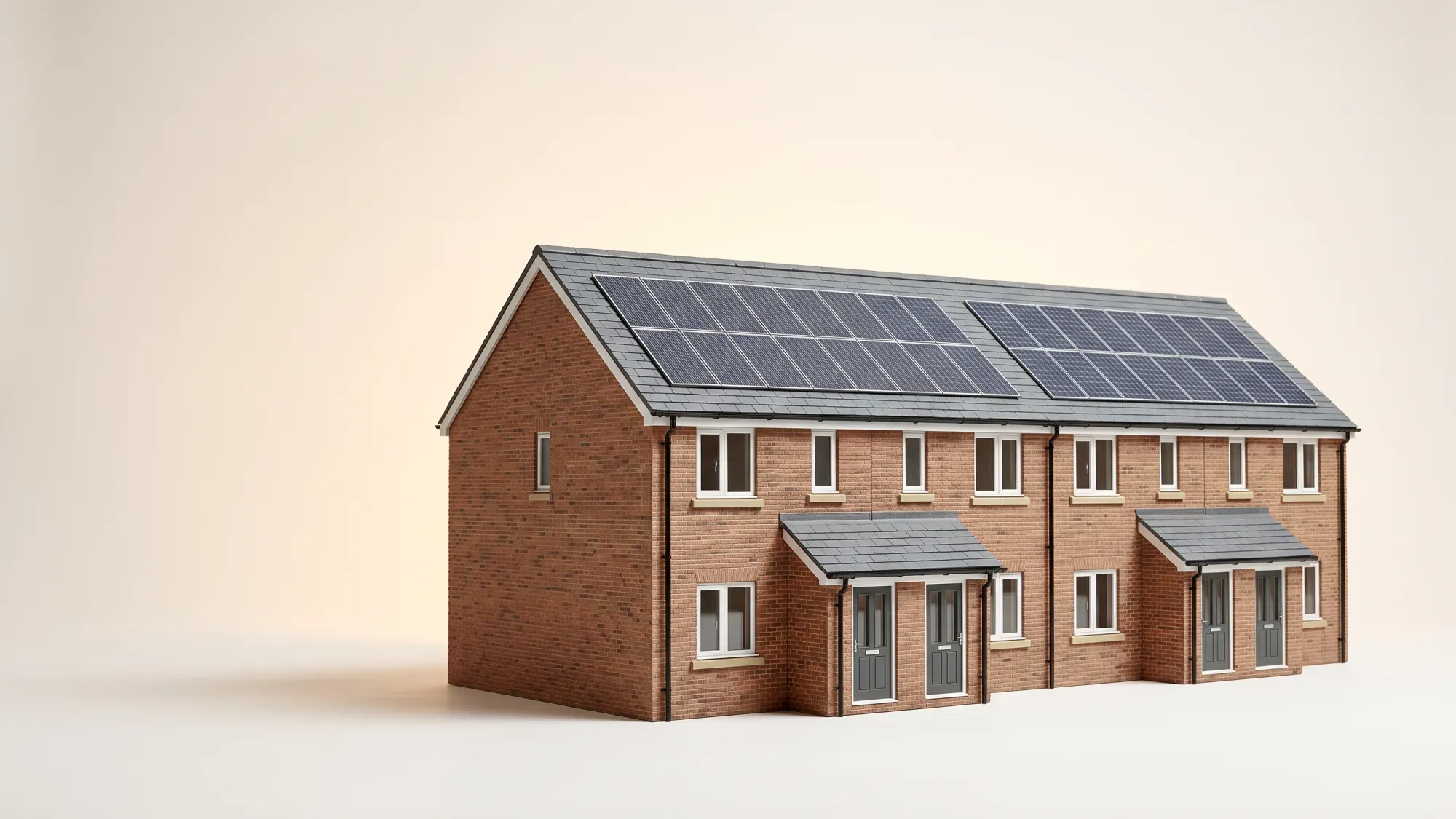
Installing solar panels in the North West is a strategic move for homeowners seeking greater control over their energy. From the Victorian terraces of Manchester and Liverpool to the rural homes of Lancashire and Cumbria, the region offers unique opportunities for solar adoption. Despite its varied weather, solar panels generate electricity effectively from diffuse daylight, ensuring year-to-year production without solely relying on direct sunlight. This article explores the benefits, process, costs, and how to find reliable installers to make solar a powerful addition to your North West home.
Why consider solar panels in the North West?
Embracing solar energy in the North West offers homeowners a compelling blend of financial, environmental, and practical advantages. It's a strategic move that shifts control over energy costs and consumption directly into your hands.
Harnessing the North West's daylight
A common misconception is that solar panels only work efficiently under bright, direct sunlight. However, modern photovoltaic (PV) technology is highly effective at capturing diffuse daylight. This means your panels will generate electricity even on overcast days, which are frequent in the North West, ensuring consistent energy production throughout the year. If you're curious about how solar panels work on cloudy days, you'll find they're more efficient than you might think. Cooler climates can even enhance solar panel performance, as intense heat can reduce efficiency.
Reducing energy bills and carbon footprint
By generating your own electricity, you reduce your reliance on grid power, directly lowering your energy bills. This can significantly impact your average monthly electric bill with solar panels. This is particularly impactful given that energy unit rates and standing charges in the North West are influenced by Ofgem's price cap and the region's specific electricity distribution network, SP Electricity North West. Generating clean, renewable energy also significantly cuts your household's carbon footprint, contributing to environmental sustainability.
Increasing property value
Homes equipped with solar panels are often more attractive to potential buyers, potentially increasing your property's market value. As energy efficiency becomes a greater priority for homeowners, a ready-installed solar system can be a significant selling point.
The solar panel installation process for North West homes
Installing solar panels involves several key stages, from initial assessment to final grid connection. Understanding this process helps ensure a smooth transition to home-generated power.
Initial assessment and site survey
The first step involves a professional assessment of your property's suitability for solar. This includes evaluating your roof's size, orientation, pitch, and structural integrity, as well as identifying any potential shading issues from trees or neighbouring buildings. An installer will also consider your current energy consumption to design a system that meets your needs.
Design and quotation from local installers
Based on the survey, an MCS-certified installer will design a bespoke solar PV system for your home and provide a detailed quotation. This design will specify the number and type of panels, inverter, and any battery storage options. Ensure you obtain quotes from multiple installers to compare costs and proposed systems.
Installation and grid connection
Once you approve the design and quote, the installation team will fit the panels to your roof and connect them to your home's electrical system and the National Grid. This process typically takes a few days. After installation, your system will be commissioned, and necessary paperwork will be submitted to your Distribution Network Operator (DNO), which for much of the North West is SP Electricity North West.
Costs, savings, and incentives in the North West
Understanding the financial aspects of solar panel installation is crucial for North West homeowners. Several factors influence costs and savings, alongside valuable incentives.
Understanding regional energy rates and standing charges
Energy bills in the North West are affected by the regional electricity distribution network. SP Electricity North West, the DNO for much of the area, is responsible for maintaining the local grid, and its charges are factored into your overall bill, regulated by Ofgem. Installing solar panels can help mitigate the impact of these regional charges by reducing the amount of electricity you need to buy from the grid.
The 0% VAT benefit for solar and battery storage
Homeowners installing solar panels and battery storage systems across Great Britain benefit from a 0% VAT rate1, a significant saving that applies until 31 March 2027. This incentive makes the initial investment in solar more affordable.
Earning with the Smart Export Guarantee (SEG)
The Smart Export Guarantee (SEG) is a UK-wide scheme that requires larger licensed electricity suppliers to pay homeowners for any surplus solar electricity they export back to the grid. To qualify for SEG payments, your solar panel installation must be carried out by an MCS-certified installer.
What is the SEG?
The SEG is a government-backed scheme in the UK that ensures electricity suppliers pay homeowners for renewable electricity they generate and export to the National Grid. To be eligible, your solar panel system must be installed by an MCS-certified installer, guaranteeing quality and safety standards.
Finding a reliable solar panel installer in the North West
Choosing the right installer is paramount for a successful and efficient solar panel system. Focus on certified local experts to ensure quality and access to incentives.
The importance of MCS certification
MCS (Microgeneration Certification Scheme) certification is a crucial standard for installers. It ensures that your solar panel system is installed to a high quality and safety standard. More importantly, MCS certification is required for your installation to qualify for the SEG, allowing you to earn money for exported electricity.
Questions to ask potential installers
When seeking quotes, ask about their experience with North West properties, their MCS certification, the warranties offered on equipment and workmanship, and their after-sales support. A reputable installer will be transparent about all costs and benefits.
Local expertise and testimonials
Prioritise installers with a strong track record in the North West. They will have a better understanding of local planning considerations, housing types (such as Victorian terraces or rural homes), and the regional climate. Look for testimonials and case studies from other homeowners in your area.
Optimising your solar investment with battery storage
Adding battery storage to your solar panel system is a strategic enhancement that maximises your self-consumption and provides greater energy independence.
Maximising self-consumption
Solar panels generate electricity during daylight hours. Without battery storage, any surplus electricity you don't immediately use is exported to the grid, earning you SEG payments. However, with a battery, you can store this excess energy to use later, for example, in the evenings or during periods of low solar generation. This increases your self-consumption, reducing the amount of electricity you need to buy from your supplier and enhancing your overall savings.
Buffering against power cuts: the role of line 105
While solar panels with battery storage don't typically provide complete off-grid independence (most grid-tied systems shut down during a power cut for safety reasons), some advanced battery systems can offer a degree of backup power for essential circuits. In the event of a power cut in the North West, residents can report it on the free national number 105, which routes them directly to their local network operator, SP Electricity North West, for assistance.
Enhancing your energy independence
With solar panels and battery storage, you gain greater control over your home's energy supply. You become less vulnerable to fluctuations in energy prices and can make more strategic decisions about when to use your own generated power, when to draw from the grid, and when to export.
Making your solar a power play with Fuse Energy
Installing solar panels is a strategic 'power play' that shifts control over energy costs and consumption into your hands. Fuse Energy is designed to complement this move, helping you maximise the benefits of your new system.
Aligning your solar with smart energy tariffs
Fuse Energy's tariffs and smart energy management features can help you maximise self-consumption and make the most of your home-generated power. Our all-in-one app provides transparent usage data, helping you understand and manage your energy flow.
Gaining control over your home energy
With Fuse, you're not just installing solar; you're making a strategic move towards energy abundance. Our approach challenges the scarcity mindset, empowering you to use more energy when it's clean and cheap, and to make the most of your home-generated power. This means less worrying about bills and more freedom to live comfortably.
Joining a future of abundant power
Fuse Energy believes in a future with power to play with. By integrating your solar panels with our smart energy services, you become part of a larger system that is rebuilding a more resilient and abundant energy network. It's about making a strategic choice that benefits your home, your wallet, and the planet.
For the avoidance of doubt, this article is provided for informational purposes only and is not intended to constitute legal or financial advice. The author and/or Fuse Energy shall not be responsible for any losses arising out of any reliance on the information contained herein.