Commercial solar in Leeds: LEED certification
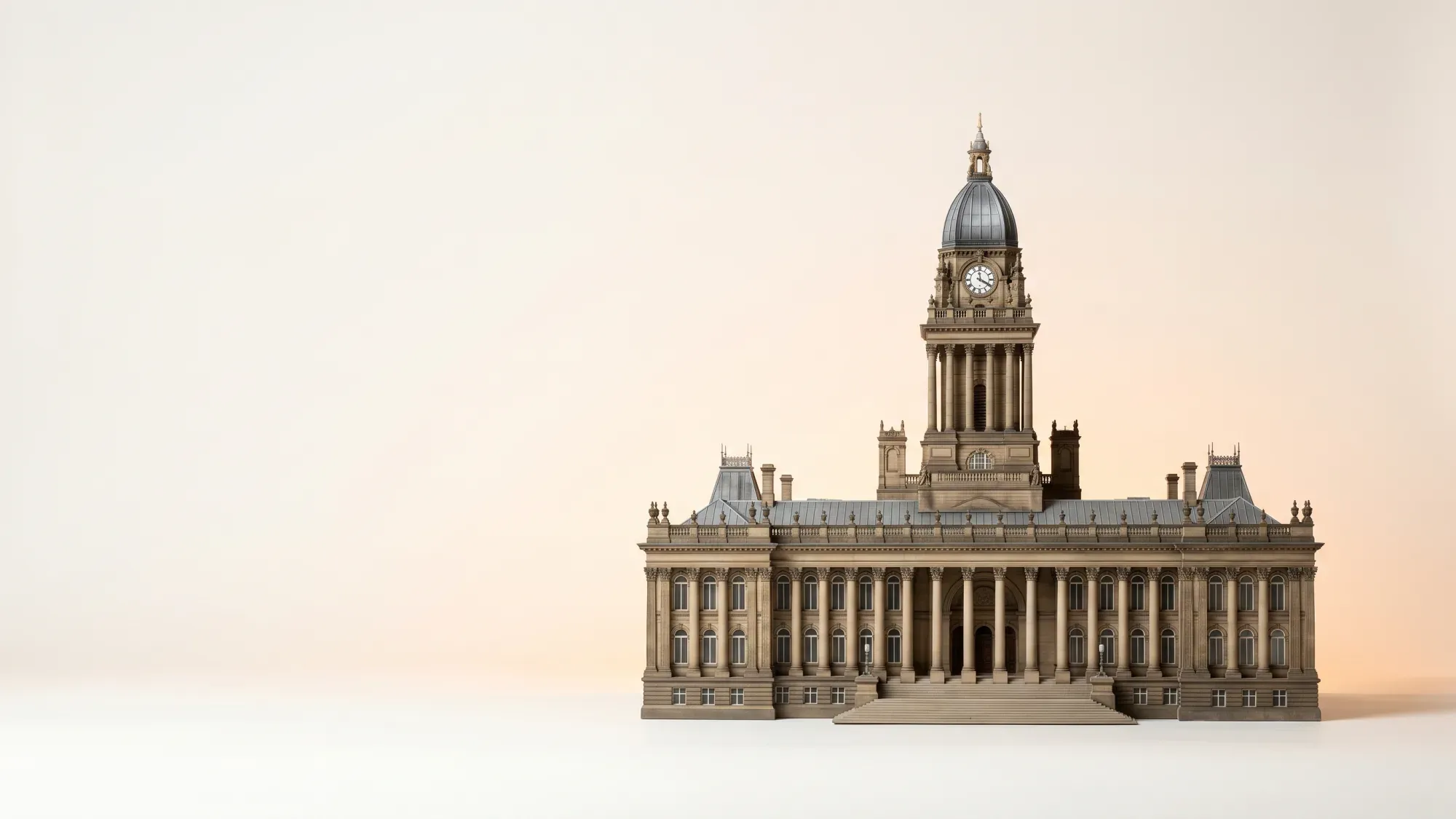
Leeds, a vibrant city in West Yorkshire, offers a unique landscape for commercial property owners looking to embrace sustainable development through solar panel installation and LEED certification. While its inland, northern location means fewer annual sunlight hours compared to the UK's south, solar photovoltaic (PV) technology remains highly effective, capitalising on diffuse daylight. This makes correct roof orientation and the integration of battery storage even more critical for commercial properties in the region.
Achieving LEED (Leadership in Energy and Environmental Design) certification signals a commitment to environmental responsibility and can significantly enhance a property's value and appeal. For commercial stakeholders in Leeds, understanding how solar PV directly contributes to these globally recognised green building standards, alongside navigating UK-specific regulations and incentives, is key to successful project implementation.
While this article focuses on commercial solar, it's worth noting that Fuse Energy is dedicated to making clean, affordable energy accessible for homes. We offer clear pricing, real-time usage data, and 24/7 human customer support to help residential customers manage their energy effectively. Click here to switch to Fuse Energy today.
Enter your address to get a quote and see how much you could save
Powering green buildings: solar and LEED in Leeds
Commercial properties in Leeds have a clear opportunity to lead in sustainability by integrating solar PV into their operations. This strategic move not only aligns with global green building principles but also offers tangible local benefits.
Leeds's unique context for commercial solar
Leeds sits within the "Yorkshire" electricity distribution region. The local Distribution Network Operator (DNO) for Leeds is Northern Powergrid, responsible for managing grid connections and responding to power cuts in the area. Should a power cut occur, the free national number 105 routes directly to the local DNO.
While northern parts of the UK, including Leeds, receive fewer annual sunlight hours compared to the south, modern solar panels are efficient even on overcast days, capturing diffuse daylight. For optimal performance in Leeds, careful consideration of roof orientation and the inclusion of battery storage are crucial to maximise energy capture and utilisation throughout the year. If you're wondering how solar panels perform under less-than-ideal conditions, you can learn more about whether solar panels work on cloudy days.
Understanding LEED certification for commercial properties
LEED is a globally recognised green building certification programme developed by the U.S. Green Building Council (USGBC). It provides a comprehensive framework for designing, constructing, operating, and maintaining healthy, highly efficient, and cost-saving green buildings. Buildings earn certification by accumulating points across various categories, including energy use, water efficiency, materials selection, and indoor environmental quality. There are four certification levels: Certified, Silver, Gold, and Platinum, based on the total points achieved.
Solar photovoltaic (PV) installations are a key strategy for earning LEED points, particularly within the Energy and Atmosphere (EA) category, by reducing reliance on grid electricity and promoting renewable energy use.
Maximising LEED points with commercial solar PV
Integrating solar PV into a commercial property's design is a direct pathway to accumulating significant LEED points, primarily within the EA category, but also potentially through Innovation in Design.
Energy and Atmosphere (EA) credits
The primary LEED category where solar PV contributes is EA, specifically through the "Renewable Energy" credit. This credit rewards projects that offset a percentage of their building's annual energy costs with on-site renewable energy. Under LEED v4.1, the Renewable Energy credit can offer up to 5 points. Solar installations directly reduce greenhouse gas emissions and reliance on traditional energy sources, aligning with LEED's core goals.
Innovation in design (ID) credits
Beyond the direct energy credits, solar PV projects can also contribute to Innovation in Design (ID) credits. These credits are awarded for exceptional performance that goes beyond standard LEED requirements or for innovative strategies not explicitly covered in other categories. For instance, a highly integrated solar design that showcases advanced energy management or contributes to community renewable energy initiatives could qualify for ID points.
Optimising solar design for LEED accreditation
To maximise LEED points, solar design should be an early consideration in project planning. This involves a detailed feasibility study assessing roof space, shading, and energy demand. Engaging a LEED Accredited Professional and an MCS-certified solar installer from the outset ensures the solar system is designed to meet both the building's energy needs and specific LEED credit requirements. This integrated approach helps to optimise system size, placement, and technology choices to achieve the highest possible certification level. For more details on the process, you can refer to our guide on solar panel installation.
UK-specific considerations for Leeds commercial solar
Commercial solar panel installation in Leeds requires navigating a specific UK regulatory and financial landscape, which differs from other regions.
Financial incentives: VAT relief and Smart Export Guarantee
For commercial solar projects, the VAT situation can be complex. While 0% VAT applies to solar panel and battery storage installations for residential accommodation and certain charitable buildings until 31 March 2027, this zero-rate generally does not apply to standard commercial installations. Commercial installations are typically subject to the standard 20% VAT, though VAT-registered businesses may be able to reclaim this depending on their circumstances.
The Smart Export Guarantee (SEG) mandates larger licensed energy suppliers to pay for surplus solar electricity exported to the grid. This scheme provides a revenue stream for commercial properties generating more power than they consume. To qualify for SEG payments, the solar installation and installer must be certified under the Microgeneration Certification Scheme (MCS) or an equivalent scheme. Additionally, a smart meter capable of half-hourly export readings is required. Understanding how to read and submit these is crucial, and you can find guidance in an export meter reading guide.
Navigating Northern Powergrid and G99 regulations
New commercial EV charger or solar/battery grid connections in Leeds require notification to Northern Powergrid, the local DNO (chargers via the ENA connect-and-notify route; solar or battery systems under G98/G99). The G98 process applies to smaller installations, typically those with an inverter output of 3.68kW per phase or less (16A per phase), requiring notification after installation. However, most commercial solar projects fall under G99 regulations, which apply to systems above 3.68kW per phase and require DNO approval before installation. This process involves a formal study by Northern Powergrid to assess the impact on their network and can take several months. Your installer typically handles these applications.
What is the G99 application process for commercial solar?
The G99 application process is a mandatory UK DNO grid-connection procedure for larger solar PV systems, typically those with an inverter output exceeding 3.68kW per phase. It requires formal approval from the local DNO, such as Northern Powergrid in Leeds, before the system is energised. This ensures the installation does not negatively impact the stability or capacity of the local electricity network.
Solar performance in Leeds: climate and orientation
Leeds's location in the Northern Temperate Zone means solar power generation is viable, though it experiences seasonal variations in energy production. While the UK generally receives around 2.5 hours of peak sunlight per day on average, this varies significantly by season and location. For optimal performance in Leeds, solar panels should ideally be tilted at an angle of 46 degrees facing southward to maximise year-round exposure. However, weather conditions, such as frequent overcast skies, can impact consistent solar generation. Selecting high-quality solar panels with good low-light performance and integrating battery storage can mitigate these challenges, ensuring greater energy production and availability throughout the year.
The commercial solar installation process in Leeds
A structured approach to commercial solar installation in Leeds ensures compliance, maximises efficiency, and secures LEED accreditation.
Choosing an MCS-certified installer
Selecting an MCS-certified installer is paramount for commercial solar projects in Leeds. MCS certification ensures that installers meet rigorous standards for product quality, installation, and consumer protection. Critically, MCS certification is a prerequisite for accessing incentives like the SEG, allowing businesses to earn revenue from exported electricity. An MCS-certified installer will also be familiar with the necessary grid connection procedures and documentation.
Planning, permits, and grid connection
The installation process begins with an initial feasibility study to assess the property's suitability for solar PV, considering factors like roof space, structural integrity, and shading. Following this, a detailed solar PV system design is developed, tailored to maximise potential LEED points and comply with UK building regulations. The next crucial step involves submitting grid connection applications (G98/G99) to Northern Powergrid and securing all local planning permissions. This often requires close collaboration between the property owner, the installer, and the DNO.
Integration and post-installation documentation
Once permissions are in place, certified professionals oversee the installation of solar panels and battery storage, ensuring adherence to quality and safety standards. Post-installation, comprehensive documentation is vital. This includes performance data, MCS certificates, and records of grid connection approvals. This documentation is essential not only for LEED submission but also for demonstrating ongoing operational benefits and compliance with regulatory requirements.
Long-term benefits of LEED-certified solar in Leeds
Investing in LEED-certified solar panels offers substantial long-term advantages for commercial properties in Leeds, extending beyond immediate energy savings.
Enhanced property value and market appeal
LEED certification significantly enhances a commercial property's value and market appeal. Certified buildings are often perceived as higher quality, more sustainable, and more efficient, attracting environmentally conscious tenants and investors. This can lead to higher occupancy rates and increased rental income, providing a competitive edge in the Leeds property market.
Operational savings and energy independence
Commercial solar installations directly reduce reliance on grid electricity, leading to substantial operational savings. By generating a significant portion of their own power, businesses can mitigate the impact of fluctuating energy prices and benefit from lower electricity bills. The ability to export surplus energy through the SEG further enhances financial viability, contributing to greater energy independence and resilience.
Contributing to Leeds's sustainability goals
By pursuing LEED certification with solar PV, Leeds businesses actively contribute to the city's broader sustainability goals. This commitment to green building practices helps reduce the local carbon footprint, promotes the adoption of renewable energy, and fosters a healthier urban environment. It positions businesses as leaders in corporate social responsibility, aligning their operations with a future of abundant, clean energy.
While Fuse Energy currently supplies residential energy only and does not offer commercial solar installation services, we support the vision of abundant clean energy for all. We believe in a future with power to play with, where energy is so abundant it stops being a thing you think about. For homeowners, Fuse Energy offers clear pricing, real-time usage data, and 24/7 human customer support, making it easier to manage your energy and contribute to a greener future. Click here to switch to Fuse Energy today and experience the difference. You can also learn more about our mission to build a future with power to play with here.
Disclaimer
For the avoidance of doubt, this article is provided for informational purposes only and is not intended to constitute legal or financial advice. The author and/or Fuse Energy shall not be responsible for any losses arising out of any reliance on the information contained herein.