Solar panel installation in Greenwich
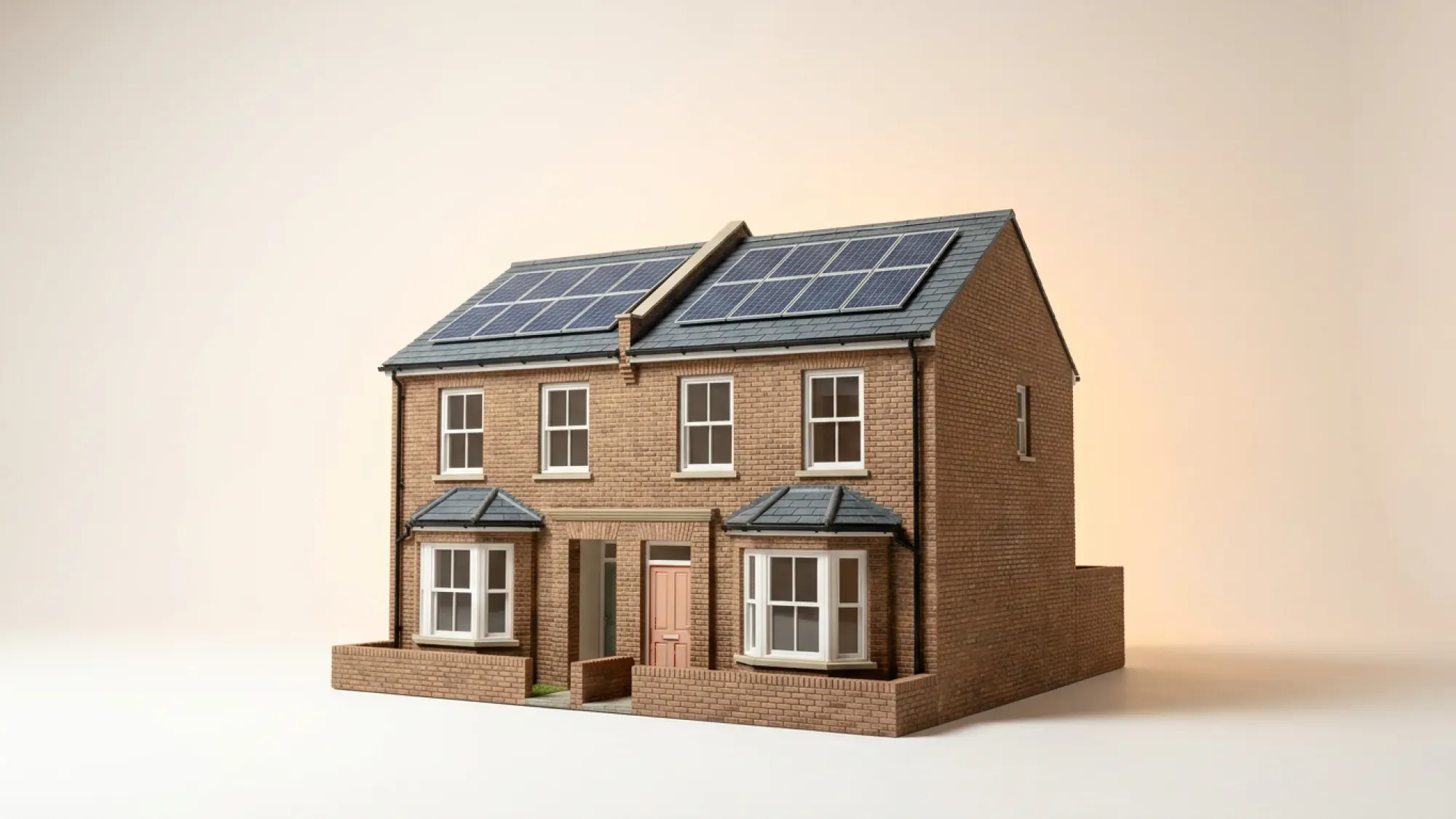
Harnessing solar power in Greenwich offers homeowners a clear path to greater energy independence and control. From its historic Victorian terraces to modern riverside developments, Greenwich is well-placed to benefit from solar panel installations. Southern England enjoys some of the UK's highest annual sunlight hours, making solar a strong investment here for reducing energy bills and enhancing property value. Understanding local specifics, such as your Distribution Network Operator (DNO) and the grid connection process, is key to a smooth installation.
Why consider solar panels in Greenwich?
Installing solar panels provides Greenwich residents with significant financial and practical advantages, turning sunlight into a valuable asset for their homes.
Greenwich's prime location for solar energy
Greenwich, like much of Southern England, benefits from ample sunshine. This region receives some of the UK's highest annual sunlight hours, positioning it as one of the best areas in the country for solar energy payback. Even on cloudy days, modern solar panels efficiently convert diffuse daylight into electricity, ensuring useful generation year-round. This makes solar a viable option for a wide range of Greenwich properties, regardless of the typical British weather.
Reducing energy bills and increasing property value
Solar panels can significantly reduce your reliance on grid electricity, leading to lower energy bills. Generating your own power means you buy less from your supplier, offering a buffer against rising energy costs. Installing solar panels can also increase your property's value, making your home more attractive to potential buyers looking for energy-efficient solutions. You can also analyse how solar panels might affect your average monthly electric bill with solar panels.
Understanding Greenwich's local energy landscape
Navigating the local energy infrastructure is crucial for any solar panel installation in Greenwich. This involves understanding how your electricity is priced and managed.
Greenwich's electricity price cap region
Greenwich falls under the 'London' electricity distribution region, which influences your energy unit rates and daily standing charges. Ofgem sets the energy price cap quarterly, with regional variations that include the 'London' region applicable to Greenwich. This means your energy costs are subject to specific regional rates, making local generation an effective way to gain control over these expenses.
Your distribution network operator: UK Power Networks
For Greenwich residents, the local DNO is UK Power Networks, as it covers London, the South East, and East England. The DNO is responsible for maintaining the physical infrastructure that delivers electricity to your home, including cables, transformers, and substations. They ensure the local grid is safe and stable. In the event of a power cut, you should contact your DNO by calling 105, the free national power cut helpline, or by using the Energy Networks Association's "Find my network operator" tool online.
Grid connection requirements (G98/G99)
Connecting a new solar or battery storage system to the grid requires notification to your DNO under the G98 or G99 process. This regulatory requirement ensures that your microgeneration system can operate safely without impacting the wider electricity network.
The specific process depends on the size of your system:
- G98 applications are for smaller systems, typically those with an inverter output up to 3.68 kW per phase. For these, your installer can proceed with the installation and then notify the DNO within 28 days of commissioning.
- G99 applications are for larger systems, exceeding 3.68 kW per phase. For these, you or your installer must submit an application and receive approval from the DNO before installation begins.
For most domestic installations, your MCS-certified installer will handle this application process on your behalf, ensuring compliance before your system is energised.
Government incentives for solar in the UK
Several government incentives significantly improve the financial viability of solar panel installations across the UK, including in Greenwich.
0% VAT relief on solar and battery storage
Until 31 March 2027, a 0% VAT rate applies to the installation of solar panels and battery storage systems in residential properties across Great Britain1. This relief covers both the supply of materials and the solar panel installation cost, providing a direct saving on your upfront investment. From 1 April 2027, the VAT rate is expected to revert to 5%. Battery storage also qualifies for 0% VAT if installed as part of a solar PV system, and standalone battery installations have also qualified for this rate since February 2024.
The Smart Export Guarantee (SEG)
The Smart Export Guarantee (SEG) mandates that larger licensed energy suppliers pay customers for any surplus electricity they export to the grid. To qualify for SEG payments, your solar panel installation must be certified under the Microgeneration Certification Scheme (MCS) or an equivalent scheme. You will also need a smart meter capable of recording your exported electricity. SEG tariffs vary between suppliers, so it is worth comparing options to maximise your earnings.
The solar panel installation process
Installing solar panels involves several stages, from initial assessment to final connection. For a comprehensive guide, you can refer to our article on solar panel installation.
Assessing your home's suitability
The first step is to assess your home's suitability for solar panels and battery storage. This includes evaluating your roof's orientation, pitch, and any potential shading from nearby trees or buildings. A reputable installer will conduct a detailed survey to determine the optimal system size and placement for your property.
Installation steps and timeline
Once your home's suitability is confirmed and you've chosen an installer, the process typically involves:
- System design: Your installer designs a system tailored to your energy needs and property.
- DNO application: The installer submits the necessary G98 or G99 application to your DNO.
- Installation: Panels are mounted on your roof, and electrical connections are made.
- Commissioning: The system is tested and connected to the grid.
- MCS certification: Your installer provides the MCS certificate, essential for SEG eligibility.
Choosing a reputable solar installer in Greenwich
Selecting the right installer is crucial for a successful and compliant solar panel installation.
The importance of MCS certification
Always choose an installer certified under the MCS. MCS certification ensures that your installation meets rigorous standards for quality and safety. Without it, you will not be eligible for government incentives like the SEG.
Why is MCS certification important for solar panels?
MCS certification is the UK's quality benchmark for renewable energy installations. It ensures your solar panels are installed to high standards, providing peace of mind and, crucially, making your system eligible for financial incentives like the SEG. Without MCS certification, you cannot claim SEG payments.
Questions to ask potential installers
When obtaining quotes from local installers in Greenwich, ask about their MCS certification, experience with similar properties, and how they handle the DNO notification process. Clarify what is included in their quote, such as scaffolding, electrical work, and post-installation support.
Maximising your solar investment
To get the most out of your solar panel system, consider integrating additional technologies and monitoring its performance.
Integrating battery storage
Pairing solar panels with battery storage allows you to store excess electricity generated during the day and use it when the sun isn't shining, such as in the evenings. This maximises your self-consumption, further reducing your reliance on grid electricity and potentially lowering your bills even more. Battery storage also qualifies for the 0% VAT relief until March 2027. You might also consider how an air source heat pump and solar panels can work together for even greater efficiency.
Monitoring your system's performance
Many modern solar systems come with monitoring capabilities, often accessible via a smartphone app. This allows you to track your energy generation, consumption, and export in real-time. Regular monitoring helps you understand your energy patterns, identify any issues, and ensure your system is operating efficiently. If you're exporting electricity, understanding your export meter reading guide is also important.
References
- HM Revenue & Customs. Energy-saving materials and heating equipment (VAT Notice 708/6)
Disclaimer
For the avoidance of doubt, this article is provided for informational purposes only and is not intended to constitute legal or financial advice. The author and/or Fuse Energy shall not be responsible for any losses arising out of any reliance on the information contained herein.