Solar panel installation in Gloucestershire
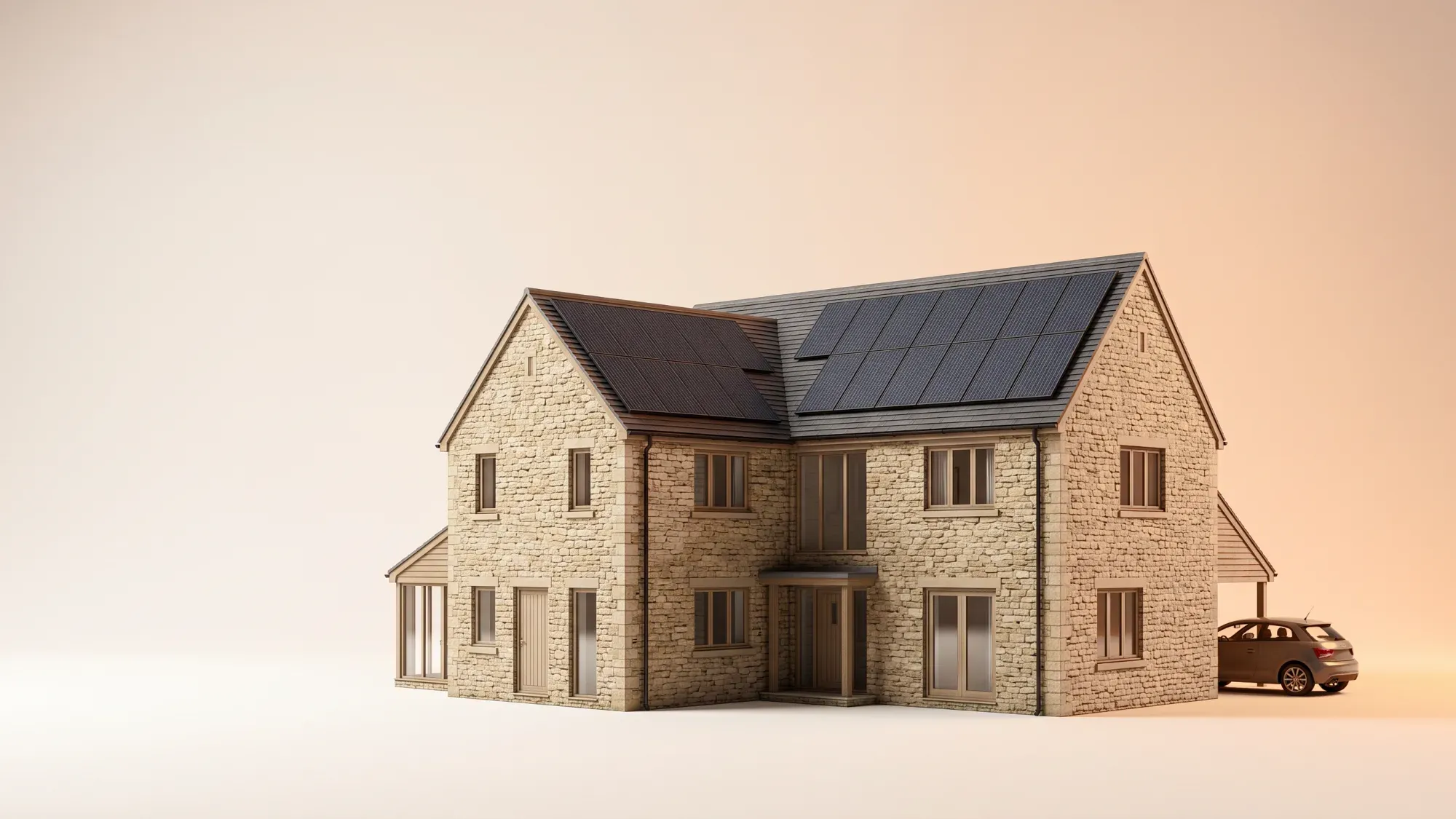
Gloucestershire, with its historic market towns and rural landscapes, benefits from its position in Southern England, receiving ample annual sunlight. This makes it an excellent location for homeowners considering solar panel installation, offering significant potential for energy generation and financial savings. Installing solar panels is a tangible step towards energy independence, allowing you to take greater control of your household's power.
Gloucestershire's solar potential: a local perspective
Why Gloucestershire is ideal for solar power
Southern England, including Gloucestershire, consistently receives a high number of annual sunlight hours, making it one of the most favourable regions in the UK for solar energy generation. This abundant sunshine contributes to excellent solar payback periods for homeowners. Even during periods of lower light or in winter, modern solar panels efficiently generate electricity from diffuse daylight, ensuring year-round benefits.
Understanding local energy distribution
For Gloucestershire residents, understanding the local energy infrastructure is key. Your electricity distribution region falls within 'South West England' for Ofgem's price cap, which directly influences your unit rates and daily standing charges. These caps are reviewed and updated quarterly, affecting your overall electricity costs. National Grid Electricity Distribution is the main Distribution Network Operator (DNO) for Gloucestershire. They are responsible for maintaining the local electricity grid. In the event of a power cut, you would contact your DNO by dialling the free national number 105. You can also find your local network operator by entering your postcode on the Energy Networks Association's "Find my network operator" tool.
The benefits of solar panels for Gloucestershire homes
Reducing your energy bills
Installing solar panels can significantly reduce your household electricity bills. By generating your own power, you decrease your reliance on electricity from the grid, especially during peak times when prices are higher. Integrating battery storage further maximises these savings by allowing you to store surplus energy generated during the day for use in the evening or overnight, rather than buying it from your supplier. To understand how solar panels can impact your monthly electricity costs, you might find our guide on the average monthly electric bill with solar panels helpful.
Achieving energy independence
Solar panels offer a pathway to greater energy independence. By producing your own electricity, you become less susceptible to fluctuations in energy prices and potential supply disruptions. This control over your energy supply provides peace of mind and contributes to a more stable household budget.
Environmental advantages
Beyond financial benefits, solar energy is a clean, renewable power source. By choosing solar, Gloucestershire homeowners contribute to reducing carbon emissions and supporting the transition to a more sustainable energy system. This aligns with a broader vision for abundant clean energy and a healthier planet.
Navigating solar panel installation in Gloucestershire
The G98/G99 grid connection process
Connecting a new solar panel system or home EV charger to the grid requires notification to your local DNO, such as National Grid Electricity Distribution, under the G98/G99 process. This is a standard regulatory procedure ensuring that new installations are safely integrated into the existing network. Reputable solar installers typically manage this notification process on your behalf, handling the necessary paperwork and technical requirements. For single-phase systems with an inverter output at or below 3.68kW, installations typically fall under G98 and are notified after commissioning; larger systems may require prior approval under G99.
Planning permission for solar in Gloucestershire
For most homeowners in England, including Gloucestershire, installing roof-mounted solar panels falls under 'permitted development' rights, meaning you generally will not need to apply for planning permission. However, certain conditions apply. Panels must not protrude more than 200mm from the roof surface and should not be installed above the highest part of the roof (excluding the chimney).
Do I need planning permission for solar panels in a conservation area?
Living in a conservation area in Gloucestershire does not automatically mean you need planning permission for solar panels. Permitted development rights often still apply, though with additional restrictions. For instance, wall-mounted panels facing a highway in a conservation area typically require permission. Always check with your local planning authority if your property is in a conservation area or is a listed building, as specific consent may be required.
Special considerations apply to listed buildings, properties in conservation areas, or if you plan to install ground-mounted panels. For example, ground-mounted systems exceeding 9 square metres or standing taller than 4 metres will likely require planning permission. It is always advisable to consult with your chosen MCS-certified installer and your local planning authority to confirm specific requirements for your property.
Local housing stock considerations
Gloucestershire's diverse housing stock, ranging from historic stone cottages to modern new-builds, presents unique considerations for solar panel installation. Older properties may require structural assessments to ensure the roof can support the weight of the panels, while properties in conservation areas might face stricter aesthetic guidelines. A qualified installer can assess your home's suitability, considering factors like roof orientation, shading, and structural integrity, to design an optimised system. For more detailed information, consider reading our guide on solar panel installation.
Costs, grants, and incentives for Gloucestershire solar
0% VAT on solar and battery installations
To make renewable energy more accessible, the UK Government has applied a 0% VAT rate to solar panel and battery storage installations across Great Britain. This incentive is in place until 31 March 2027, offering a significant saving on the upfront cost of your system. This 0% VAT can save homeowners approximately £1,000 to £3,000 on installation costs.
The Smart Export Guarantee (SEG)
The Smart Export Guarantee (SEG) is a UK-wide scheme that mandates larger licensed electricity suppliers to pay homeowners for any surplus electricity their solar panels export back to the grid. To qualify for SEG payments, your solar panel system must be installed by an MCS-certified installer. Payment rates vary between suppliers, so comparing offers is advisable.
Understanding typical costs and payback
The cost of installing solar panels in the UK varies depending on system size, panel type, and installation complexity. A typical 4kW solar PV system, suitable for a 2-3 bedroom house, generally costs around £6,500 to £8,500, including installation. Adding battery storage can increase the total cost to approximately £10,000 to £16,400 for a 4kW system with a 9-10 kWh battery.
A 4kW system could lead to annual savings of around £735 on energy bills, with potential earnings of up to £360 annually from exporting surplus energy via SEG. Payback periods for solar panel systems typically range from 6 to 10 years. For more information on the financial aspects, see our guide on solar panel installation cost.
Choosing the right solar panel installer in Gloucestershire
The importance of MCS certification
When selecting a solar installer in Gloucestershire, MCS certification is paramount. This certification ensures that your installer meets rigorous quality standards for products and installations. Crucially, MCS certification is a prerequisite for homeowners to qualify for the SEG. Without it, you will not be able to receive payments for the electricity you export.
Questions to ask potential installers
To make an informed decision, ask potential installers about their MCS certification, their experience with similar properties in Gloucestershire, and their approach to the G98/G99 grid connection process. Inquire about warranties for both the panels and the installation work, and ask for a detailed breakdown of costs, including any potential hidden fees.
Local reviews and testimonials
Checking local reviews and testimonials can provide valuable insights into an installer's reputation and customer service. Look for feedback from other Gloucestershire homeowners to gauge their satisfaction with the installation process, system performance, and after-sales support.
Making your solar power play with Fuse Energy
Fuse Energy empowers Gloucestershire homeowners to achieve energy independence and greater control over their energy consumption and costs. Installing solar panels is a significant "power play," shifting the balance of power into your hands. Fuse Energy offers home solar installation, and we are MCS and TrustMark certified, handling planning approvals, paperwork, installation, and final checks. By installing solar, you contribute to rebuilding the energy system, moving towards a modern, decentralised network that aligns with Fuse's vision for abundant clean energy.
Disclaimer
For the avoidance of doubt, this article is provided for informational purposes only and is not intended to constitute legal or financial advice. The author and/or Fuse Energy shall not be responsible for any losses arising out of any reliance on the information contained herein.