Solar panel installation Folkestone
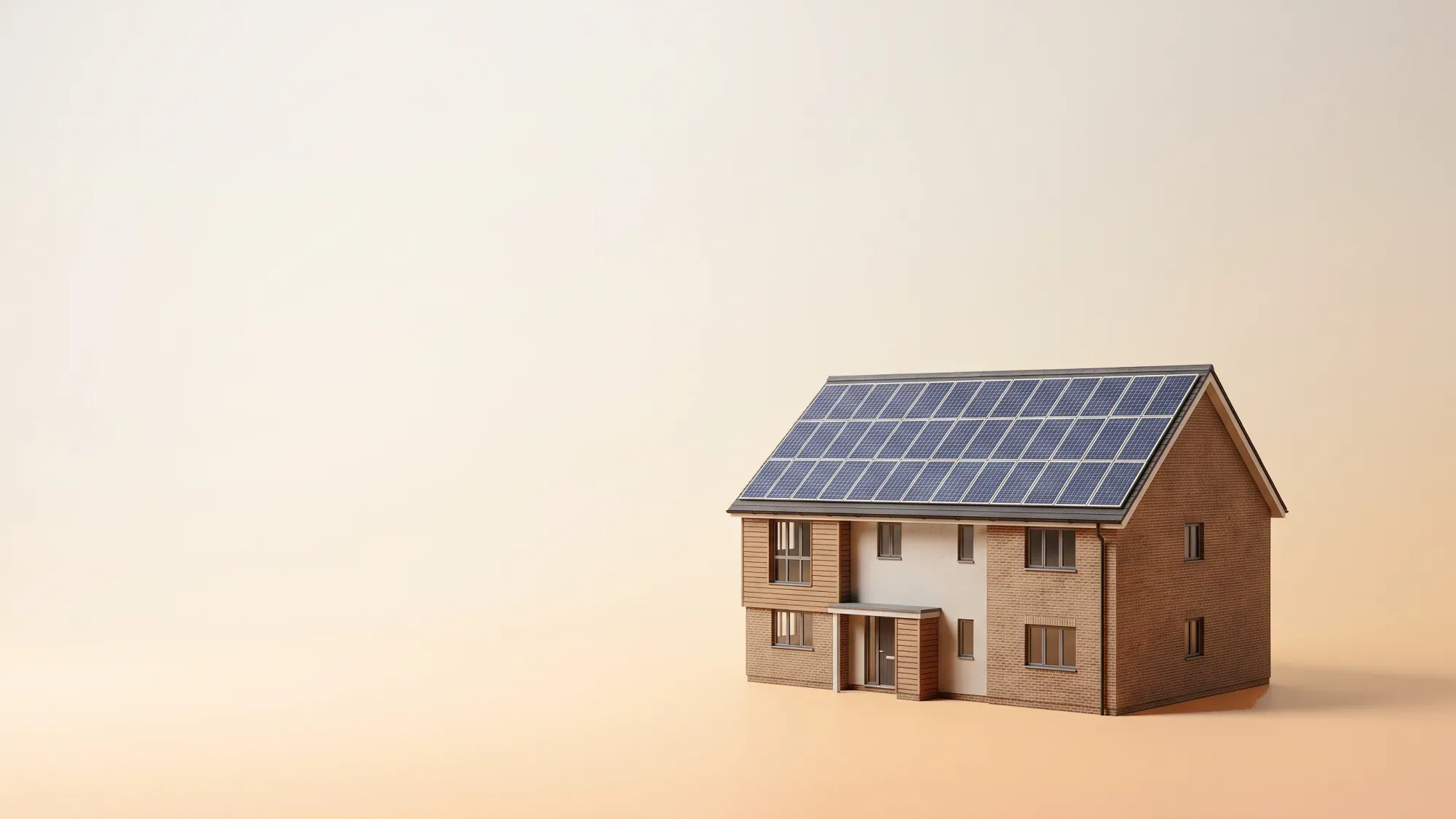
Folkestone, with its distinctive coastal character and varied housing stock, is ideally positioned to benefit from solar panel installation. Located in Southern England, the town enjoys some of the highest annual sunlight hours in the UK, making it an excellent place for homeowners looking to reduce energy bills and achieve greater energy independence. This guide outlines the benefits, process, and local considerations for installing solar panels in Folkestone, helping you make a smart move towards a more sustainable and cost-effective home.
Why Folkestone is ideal for solar panels
Leveraging Folkestone's sunlight advantage
Southern England consistently receives some of the highest annual sunlight hours in the UK, a significant advantage for solar panel efficiency. Folkestone's coastal location often means clearer skies compared to more inland areas, further optimising solar energy generation. While direct sunlight is most effective, modern solar panels still generate useful electricity on cloudy days, meaning Folkestone's homeowners can benefit from solar power year-round. This strong solar resource translates into quicker payback periods and greater long-term savings for local residents. To understand more about how solar panels perform in varying weather, you can read about do solar panels work on cloudy days.
Local housing stock and solar suitability
Folkestone's diverse housing landscape, encompassing everything from historic properties to contemporary developments, offers various opportunities for solar panel integration. Many homes, particularly those built in the Victorian and Edwardian eras, often feature South-facing roofs that are ideal for solar installations. Newer properties are typically designed with energy efficiency in mind, making solar a natural complement. Even homes in conservation areas or listed buildings can often accommodate solar panels, though specific planning permission may be required to ensure aesthetic harmony with the local environment.
The benefits of installing solar panels in Folkestone
Reducing your energy bills
Installing solar panels can significantly cut your household electricity bills. By generating your own power, you reduce reliance on grid electricity, which is subject to fluctuating prices. Any surplus electricity you generate can also be sold back to the grid through schemes like the Smart Export Guarantee (SEG), providing an additional income stream and further offsetting your energy costs. Learn more about how solar panels can impact your average monthly electric bill with solar panels.
Achieving energy independence
Solar panels offer a path to greater energy independence, shielding you from future energy price rises and geopolitical instability. Pairing solar panels with battery storage allows you to store excess energy generated during the day for use in the evenings or on less sunny days. This maximises your self-consumption and reduces your dependence on external energy suppliers.
Environmental impact and property value
Beyond financial savings, solar panels contribute to a greener future by reducing your carbon footprint. Generating clean, renewable energy at home lessens demand for fossil fuels. Furthermore, properties with solar panel installations often see an increase in their market value, appealing to environmentally conscious buyers and those seeking lower running costs.
Understanding the solar panel installation process in Folkestone
Initial assessment and design
The journey to solar energy begins with a detailed assessment of your home. A Microgeneration Certification Scheme (MCS)-certified installer will evaluate your roof's suitability, considering factors like orientation, pitch, shading, and structural integrity. They will then design a bespoke system tailored to your energy needs and property characteristics, including the optimal number and placement of panels and the potential for battery storage.
Planning permission and local regulations
For most domestic solar panel installations in Folkestone, planning permission is not required, as they fall under "permitted development" rights. However, this can change if your property is in a conservation area, is a listed building, or if the panels significantly alter the appearance of your home. It is crucial to check with Folkestone & Hythe District Council for any specific local requirements before proceeding with your installation. Your installer should be able to assist with this process.
The installation day
Once all designs are approved and any necessary permissions secured, the installation day typically involves mounting the solar panels onto your roof, installing the inverter (which converts direct current (DC) electricity from the panels to alternating current (AC) electricity for your home), and connecting the system to your consumer unit. If you are adding battery storage, this will also be integrated into the system. Most domestic installations are completed within one to three days, depending on the system's complexity.
Grid connection with UK Power Networks (G98/G99)
After your solar panels are installed, they need to be connected to the National Grid. For Folkestone residents, UK Power Networks is the local Distribution Network Operator (DNO). The process for new grid connections, known as G98 or G99 depending on the system size, is typically handled by your solar installer. They will submit the necessary paperwork to UK Power Networks to ensure your system is safely and legally connected, allowing you to export any surplus electricity you generate. If you experience a power cut in Folkestone, you can dial the free national number 105, which routes directly to your local electricity network operator.
Financial incentives for Folkestone solar homeowners
0% VAT on solar and battery storage
Homeowners in Folkestone can benefit from the current 0% VAT rate on the installation of solar panels and battery storage systems. This incentive applies across Great Britain and is set to run until 31 March 2027, making solar energy more affordable than ever. This significant saving reduces the upfront cost, improving the overall financial viability of your investment.
The Smart Export Guarantee (SEG)
The SEG requires larger licensed energy suppliers to pay you for any surplus solar electricity you export to the grid. This means your home can become a mini power station, earning you money for the clean energy you do not use. To be eligible for SEG payments, your solar panel installation must be certified under the MCS. This certification ensures your system meets high quality and safety standards. You can also learn how to take an export meter reading guide to ensure you are paid correctly.
What is the SEG?
The SEG is a UK-wide scheme that mandates larger licensed energy suppliers to pay homeowners for surplus renewable electricity exported to the National Grid. This allows solar panel owners to earn money for the clean energy they generate but do not use, contributing to reduced energy bills and a greener grid.
Understanding regional price caps (South East England)
Folkestone is located within the "South East England" electricity price-cap region. Ofgem, the energy regulator, sets a maximum unit rate and standing charge for electricity and gas in each region, updated quarterly. While the price cap limits how much suppliers can charge, generating your own electricity with solar panels helps you minimise your exposure to these regulated rates, giving you greater control over your energy costs.
Choosing the right solar panel installer in Folkestone
The importance of MCS certification
When selecting a solar panel installer in Folkestone, MCS certification is paramount. This accreditation scheme ensures that installers meet rigorous standards for product quality, installation practices, and customer service. Crucially, MCS certification is a mandatory requirement for your eligibility to receive payments under the SEG. Choosing an MCS-certified installer provides peace of mind and safeguards your investment.
Questions to ask potential installers
Before committing to an installer, ask about their experience with similar properties in Folkestone, their MCS certification details, and what warranties they offer on both the equipment and their workmanship. Enquire about their process for handling planning permission and grid connection applications with UK Power Networks. A reputable installer will be transparent and happy to answer all your questions.
Integrated solar and battery solutions
For maximum energy independence and savings, consider an integrated solar and battery storage solution. Battery storage allows you to capture and store excess solar energy generated during the day, using it later when the sun is not shining or when electricity prices are higher. This combination optimises your self-consumption and further reduces your reliance on grid electricity.
Your next steps towards Folkestone solar energy
Get a personalised quote
The first step towards harnessing solar energy in your Folkestone home is to obtain a personalised quote. A detailed quote will outline the recommended system, estimated costs, projected savings, and potential earnings from the SEG. This allows you to make an informed decision tailored to your specific needs.
Disclaimer
For the avoidance of doubt, this article is provided for informational purposes only and is not intended to constitute legal or financial advice. The author and/or Fuse Energy shall not be responsible for any losses arising out of any reliance on the information contained herein.