Solar panel installation Dundee: costs and benefits
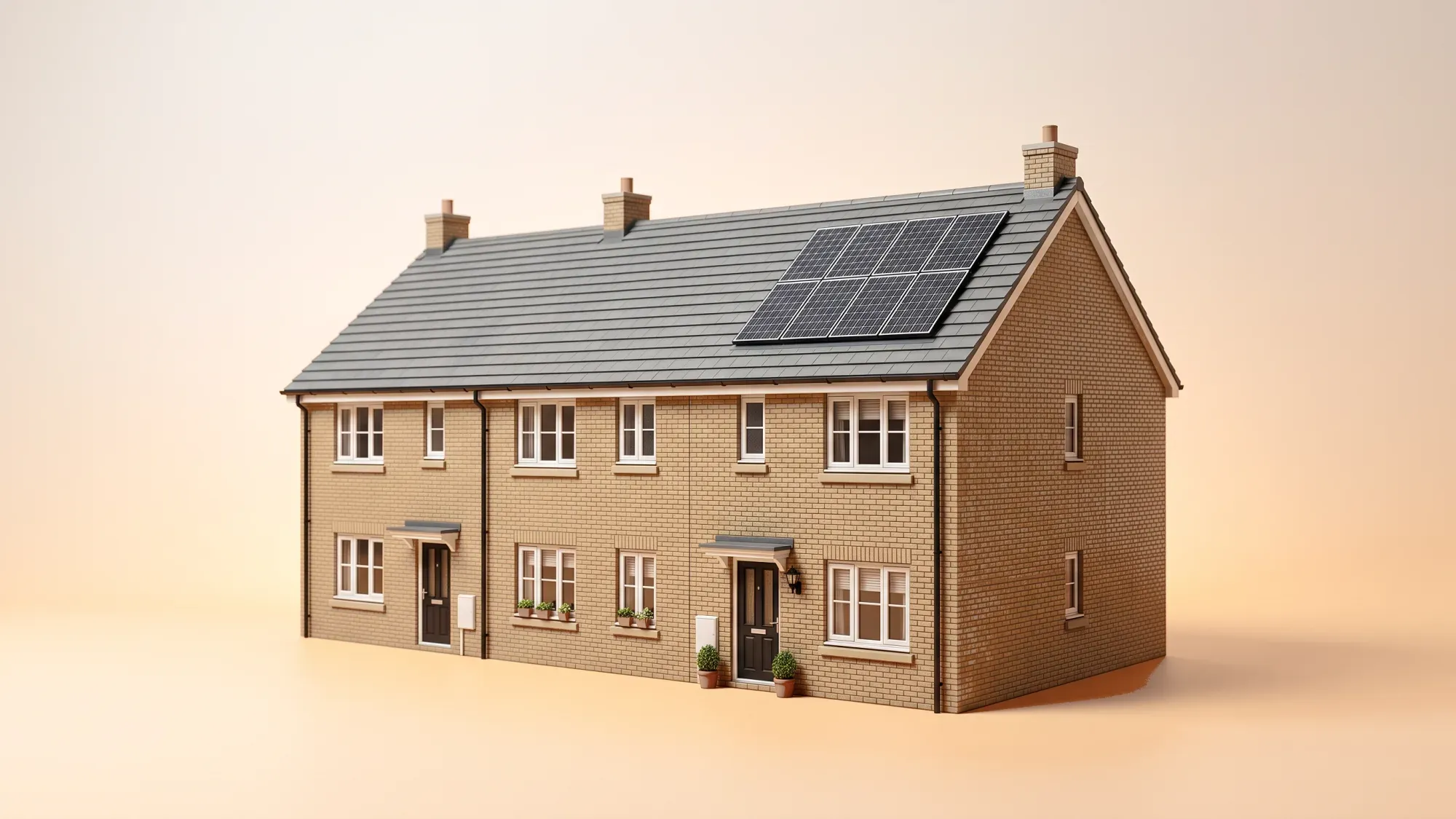
Installing solar panels in Dundee is a smart move for homeowners looking to manage their energy use and finances. Situated on the Firth of Tay, Dundee's climate still benefits significantly from solar PV technology, especially when paired with battery storage. This guide offers clear, localised information on the benefits, costs, and process of going solar in the City of Discovery.
Why consider solar panels in Dundee?
Reducing energy bills and carbon footprint
A primary reason for many Dundee homeowners to consider solar panels is the potential for substantial savings on electricity bills. Generating your own power reduces reliance on grid electricity, which is subject to regional price caps and fluctuations. Installing solar panels can significantly change your average monthly electric bill, moving you towards greater energy independence and even potential earnings. Beyond financial benefits, solar panels significantly cut your home's carbon footprint, contributing to a greener future.
Increasing property value
A home equipped with solar panels and battery storage is often more attractive to potential buyers. Energy efficiency is a growing priority, and a pre-installed, operational solar system can add tangible value to your property in Dundee.
Solar viability in Dundee's climate
Despite Dundee's northern latitude, solar panels remain a worthwhile investment. While northern parts of the UK receive fewer direct sunlight hours annually, solar PV systems effectively convert diffuse daylight into electricity. This means your panels will still generate power even on cloudy days, which are common in Scotland. Pairing solar panels with battery storage is particularly beneficial in Dundee, allowing you to store surplus energy generated during daylight hours and use it when the sun is not shining, maximising self-consumption and energy independence.
Understanding solar panel costs in Dundee
Factors influencing installation costs
The cost of a solar panel installation in Dundee varies based on several factors. These include the size of your system (number of panels), the type of panels chosen, the complexity of the roof (e.g., pitch, material, accessibility), and whether you opt for battery storage. The installer's labour costs and any additional electrical work also play a role. For a detailed breakdown of these factors, you can explore the typical solar panel installation cost in the UK.
Typical costs for Dundee homes
While specific figures depend on individual circumstances, a typical UK solar panel system costs between £5,000 and £11,000 fully installed in 2026. A 4kW system, a common choice for a three-bedroom home, is usually around £6,000–£8,000. Adding battery storage can increase the initial outlay by approximately £3,000–£6,500, depending on capacity, but it significantly enhances the system's efficiency and your long-term savings, especially given Dundee's daylight patterns.
Return on investment
Solar panels offer a compelling return on investment through reduced electricity bills and potential earnings from exporting surplus energy. With current financial incentives, the payback period for a well-sized system in Dundee can be surprisingly short, making it a sound long-term financial decision.
Dundee's local energy landscape
Understanding Dundee's specific energy infrastructure is crucial for any homeowner considering solar panel installation.
Northern Scotland price cap region
Dundee sits within the "Northern Scotland" electricity distribution region for Ofgem's energy price cap. This means the unit rates and daily standing charges you pay for electricity are set specifically for this region, differing from other parts of the UK. Generating your own electricity helps insulate you from these regional price variations.
Scottish and Southern electricity Networks (SSEN)
The local Distribution Network Operator (DNO) for Dundee is Scottish and Southern Electricity Networks (SSEN). SSEN is responsible for maintaining the local electricity grid, ensuring power delivery, and managing connections. If you experience a power cut in Dundee, you would dial the free national number 105, which routes directly to SSEN. You can also find your network operator by postcode using the Energy Networks Association's tool.
Grid connection: the G98/G99 process
When installing a new solar or battery storage system in Dundee, your installer must notify SSEN through what is known as the G98/G99 process. This regulatory framework ensures that your new energy generation system can be safely and effectively connected to the local grid without causing issues. Reputable MCS-certified installers typically handle this entire process on your behalf, submitting the necessary paperwork to SSEN.
Financial support for solar in Dundee
Several financial incentives make solar panel installation more accessible and affordable for Dundee homeowners.
Home Energy Scotland grant and loan
The Home Energy Scotland Grant and Loan scheme no longer funds solar PV and battery storage as of June 2024. As of July 2026, there is no Scotland-wide grant or loan specifically for solar PV or battery storage. While the scheme still supports other energy efficiency measures and clean heating systems like heat pumps, standard solar photovoltaic panels are not among the principal improvements currently funded.
Smart Export Guarantee (SEG)
The Smart Export Guarantee (SEG) is a UK-wide scheme that requires larger licensed electricity suppliers to pay you for any surplus solar electricity you export back to the National Grid. This provides an additional revenue stream, further improving the financial viability of your solar investment. To qualify for SEG payments, your solar installation must have MCS certification. Understanding how to take an export meter reading is essential for ensuring you get paid correctly.
0% VAT on installations
Until 31 March 2027, residential solar panel and battery storage installations across Great Britain benefit from 0% VAT. This significant tax relief directly reduces the overall cost of your system, making it a more attractive time to invest in solar energy for your Dundee home. After this date, the rate is expected to return to at least 5%.
The solar panel installation process
Installing solar panels is a structured process, ensuring a smooth transition to generating your own clean energy.
Initial assessment and system design
The first step involves a professional assessment of your home's suitability for solar. This includes evaluating your roof's orientation, pitch, shading, and structural integrity, as well as your household's energy consumption patterns. Based on this, a bespoke system design is created, detailing the number of panels, inverter type, and battery storage capacity.
Choosing an MCS-certified installer
Selecting the right installer is paramount. Always choose an MCS-certified installer. MCS certification is a quality assurance scheme that ensures installers meet high standards for product quality and installation practices. Crucially, MCS certification is required for your installation to qualify for government-backed financial incentives like the SEG.
Installation and commissioning
Once the design is finalised and approvals are in place, the installation team will mount the panels, install the inverter and battery (if applicable), and connect the system to your home's electrical supply. After installation, the system undergoes commissioning and testing to ensure it operates safely and efficiently. Your installer will also handle the necessary grid connection paperwork with SSEN.
Finding the right solar installer in Dundee
Choosing a local, reputable installer is key to a successful solar panel project in Dundee.
Key questions to ask
When getting quotes, ask about the installer's experience, their MCS certification status, the warranties offered on panels and workmanship, and their approach to handling the SSEN grid connection process. Enquire about their after-sales support and maintenance services.
Checking credentials and reviews
Verify that any prospective installer holds valid MCS certification. Check online reviews and ask for references from previous customers in the Dundee area. A good installer will be transparent about their credentials and happy to provide examples of their work.
Getting multiple quotes
Always obtain at least three quotes from different MCS-certified installers. This allows you to compare system designs, costs, and proposed energy savings, ensuring you get the best value and a system tailored to your Dundee home's specific needs.
Disclaimer
For the avoidance of doubt, this article is provided for informational purposes only and is not intended to constitute legal or financial advice. The author and/or Fuse Energy shall not be responsible for any losses arising out of any reliance on the information contained herein.