Solar panel installation: a Bridgend guide
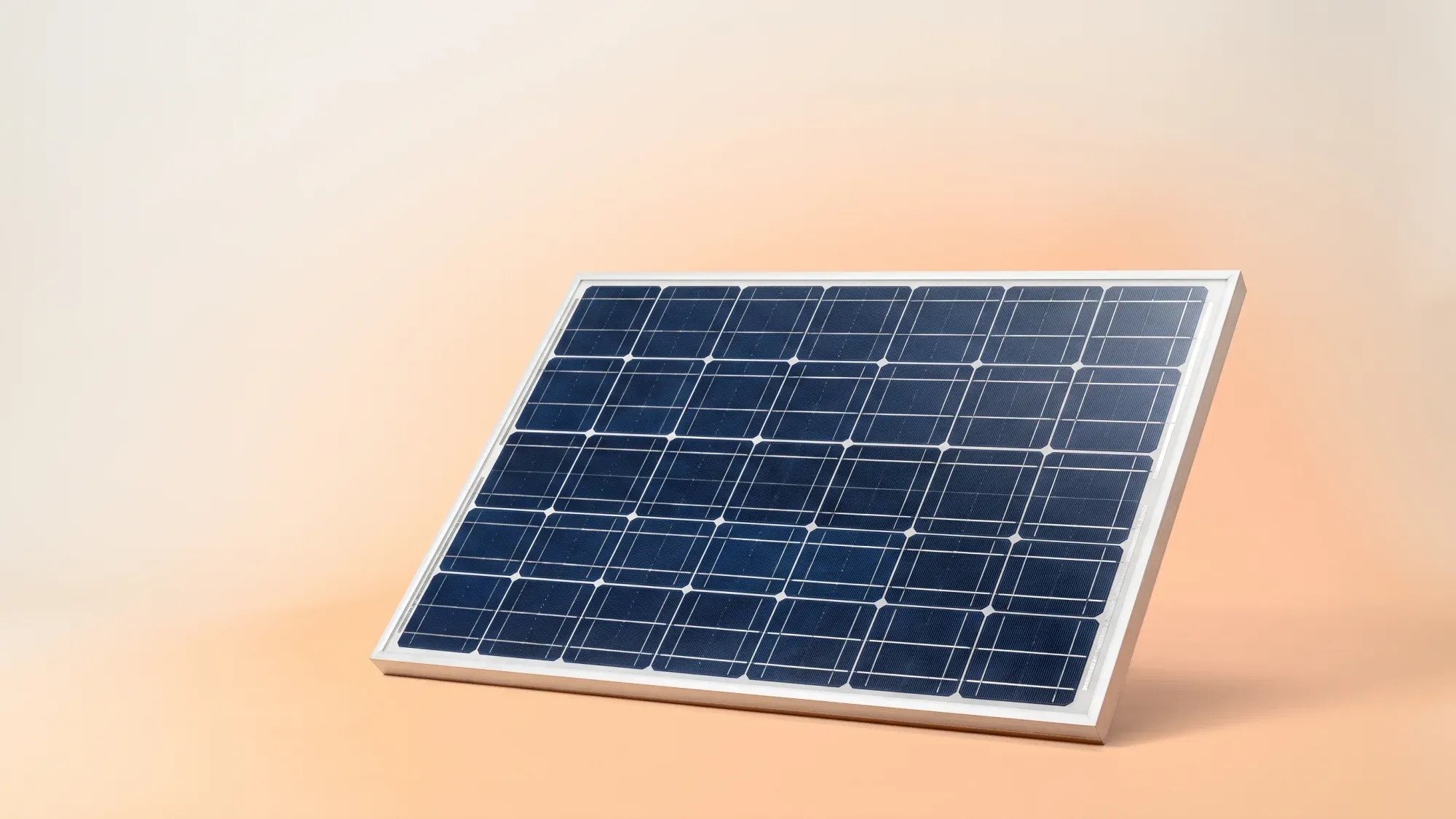
For homeowners in Bridgend, where the Bristol Channel's weather patterns meet the diverse housing stock of South Wales, installing solar panels offers a clear path to reducing energy bills and gaining greater energy independence. From traditional terraced homes in the town centre to newer developments and rural properties across the county borough, solar photovoltaic (PV) systems are a practical investment. This guide provides clear, localised information to help you make an informed decision about solar panel installation in Bridgend.
Why consider solar panels in Bridgend?
Installing solar panels does more than just generate electricity; it transforms your home's energy profile and contributes to a more sustainable future.
Energy independence and cost savings
Generating your own electricity means relying less on grid suppliers, shielding you from fluctuating energy prices. Any electricity your panels produce that you use directly reduces the amount you need to buy, leading to significant savings on your bills. With the right setup, including battery storage, you can maximise your self-consumption and further enhance your energy independence.
Environmental benefits
Solar panels produce clean, renewable energy, reducing your household's carbon footprint. By harnessing the sun's power, you contribute to lowering demand for fossil fuels and supporting the UK's transition to a greener energy system.
Increasing your home's value
A home equipped with solar panels and battery storage can be more attractive to potential buyers. Energy-efficient features are increasingly sought after, and a well-installed solar system can add tangible value to your property.
Bridgend's local solar landscape
Understanding the local specifics of energy infrastructure and regulations is crucial for any homeowner considering a solar panel installation in Bridgend.
Understanding your electricity region and DNO
Bridgend falls within the "South Wales" electricity distribution region. This means the unit rates and daily standing charges you pay are influenced by Ofgem's regional price cap. The local Distribution Network Operator (DNO) for Bridgend is National Grid Electricity Distribution1. They are responsible for maintaining the local electricity network, including overhead lines, underground cables, and substations. In the event of a power cut, residents in Bridgend would contact their DNO by dialling the free national number 105. You can find your specific network operator by entering your postcode into the Energy Networks Association (ENA) "Find my network operator" tool.
Solar performance in South Wales
Despite common misconceptions about the UK's weather, solar panels are highly effective in the South Wales climate. Modern photovoltaic (PV) technology converts daylight into electricity, even on cloudy or overcast days. This means your system will generate power year-round, not just during periods of direct sunlight. Cooler temperatures, typical of the UK, can actually enhance panel efficiency by preventing overheating. Strategic placement (e.g., South-facing roofs) and managing shading are key to maximising generation. If you're wondering do solar panels work on cloudy days, the answer is yes.
Planning permission and grid connection
For most domestic solar panel installations in Bridgend, planning permission is not required, as they typically fall under permitted development rights. However, exceptions apply if your property is a listed building or located within a conservation area. Your chosen installer will usually handle the necessary notifications to the relevant DNO. New solar and battery grid connections are notified to your DNO under the G98/G99 process. This ensures your system can safely connect to the local grid without causing instability.
The solar panel installation process
Installing solar panels involves several key stages, from initial assessment to activating your Smart Export Guarantee.
Initial assessment and design
A reputable installer will begin with a comprehensive assessment of your home. This includes evaluating your roof's suitability, orientation, shading, and structural integrity. They will also consider your household's energy consumption patterns to design a system that meets your needs and maximises your potential savings.
Installation and commissioning
Once the design is finalised, the installation team will mount the panels, install the inverter, and connect the system to your home's electrical supply. If you're including battery storage, this will also be integrated. After installation, the system is commissioned, tested, and certified to ensure it operates safely and efficiently.
Activating your Smart Export Guarantee
After your solar panels are installed and commissioned, you can apply for the Smart Export Guarantee (SEG). This Government-backed scheme requires larger licensed electricity suppliers to pay you for any surplus renewable electricity your system exports back to the National Grid. You'll need to sign up for a SEG tariff with an energy supplier, which doesn't necessarily have to be your import supplier. You can find out more with an export meter reading guide.
Financial incentives and support
Several financial incentives make installing solar panels and battery storage a more attractive investment for Bridgend homeowners.
0% VAT on solar and batteries
A significant incentive is the 0% VAT rate on the supply and installation of energy-saving materials, including solar panels and battery storage, across Great Britain2. This relief is currently scheduled to run until 31 March 2027, after which the VAT rate is expected to revert to 5%. This means a direct saving on the overall cost of your installation if completed before the deadline.
Smart Export Guarantee (SEG)
The SEG allows you to earn money for the excess electricity your solar panels generate and export to the grid. To qualify, your system must be installed by a Microgeneration Certification Scheme (MCS)-certified installer and have a meter capable of providing half-hourly export readings, typically a smart meter. Each supplier sets its own SEG tariff rate, which must always be above zero.
What is the SEG?
The SEG is a UK Government-backed scheme that requires licensed electricity suppliers to pay homeowners for any surplus renewable electricity they export to the National Grid. To qualify, your solar panel system must be installed by an MCS-certified installer and you need a smart meter to measure your exports.
Other potential grants in Wales
While there isn't a blanket grant specifically for solar panels in Wales, homeowners may be able to access broader energy efficiency schemes. It's important to check eligibility for any local council initiatives or wider Welsh Government programmes that support home energy improvements. Always ensure that any scheme you consider is applicable to Wales and not, for example, specific to Scotland or England.
Choosing a solar panel installer in Bridgend
Selecting the right installer is paramount to a successful and long-lasting solar panel system.
The importance of MCS certification
MCS certification is a mark of quality and competence for installers of renewable energy technologies. While not legally mandatory for installation, it is a crucial requirement for accessing financial incentives like the SEG. An MCS-certified installer ensures that your system meets rigorous industry standards for quality, safety, and performance.
Questions to ask potential installers
When obtaining quotes, ask about their experience with similar properties in Bridgend, their MCS certification status, and what warranties they offer on both equipment and workmanship. Inquire about their process for handling grid connection applications (G98/G99) and SEG registration. A transparent installer will provide clear, detailed proposals without pressure.
Local reputation and reviews
Check local reviews and testimonials for installers operating in Bridgend. Online platforms and local community groups can offer insights into customer satisfaction and the reliability of different companies. A strong local reputation often indicates a commitment to quality service and customer support.
Maximising your solar investment
To get the most out of your solar panel system, consider integrating additional technologies and actively managing your energy.
Integrating battery storage
Battery storage is key to maximising the economic benefits of solar panels. It allows you to store surplus electricity generated during the day and use it during the evening or on cloudy days, rather than exporting it to the grid for a lower SEG rate. This significantly increases your self-consumption and further reduces your reliance on grid electricity.
Monitoring your energy generation and use
Monitoring your solar panel's performance and your home's energy consumption provides valuable insights. Many modern solar systems come with apps or online portals that allow you to track generation, usage, and export in real-time. This data empowers you to adjust your habits and optimise your energy use, ensuring you get the best return on your investment.
Ongoing maintenance
Solar panel systems generally require minimal maintenance. Regular cleaning, especially after dry spells, can help maintain efficiency. Your installer should provide guidance on routine checks and offer maintenance services to keep your system performing optimally for its lifespan.
References
- Energy Networks Association. Who is my network operator?
- UK Government. Energy-saving materials and heating equipment (VAT Notice 708/6)
Disclaimer
For the avoidance of doubt, this article is provided for informational purposes only and is not intended to constitute legal or financial advice. The author and/or Fuse Energy shall not be responsible for any losses arising out of any reliance on the information contained herein.