Solar panel installation in Bolton
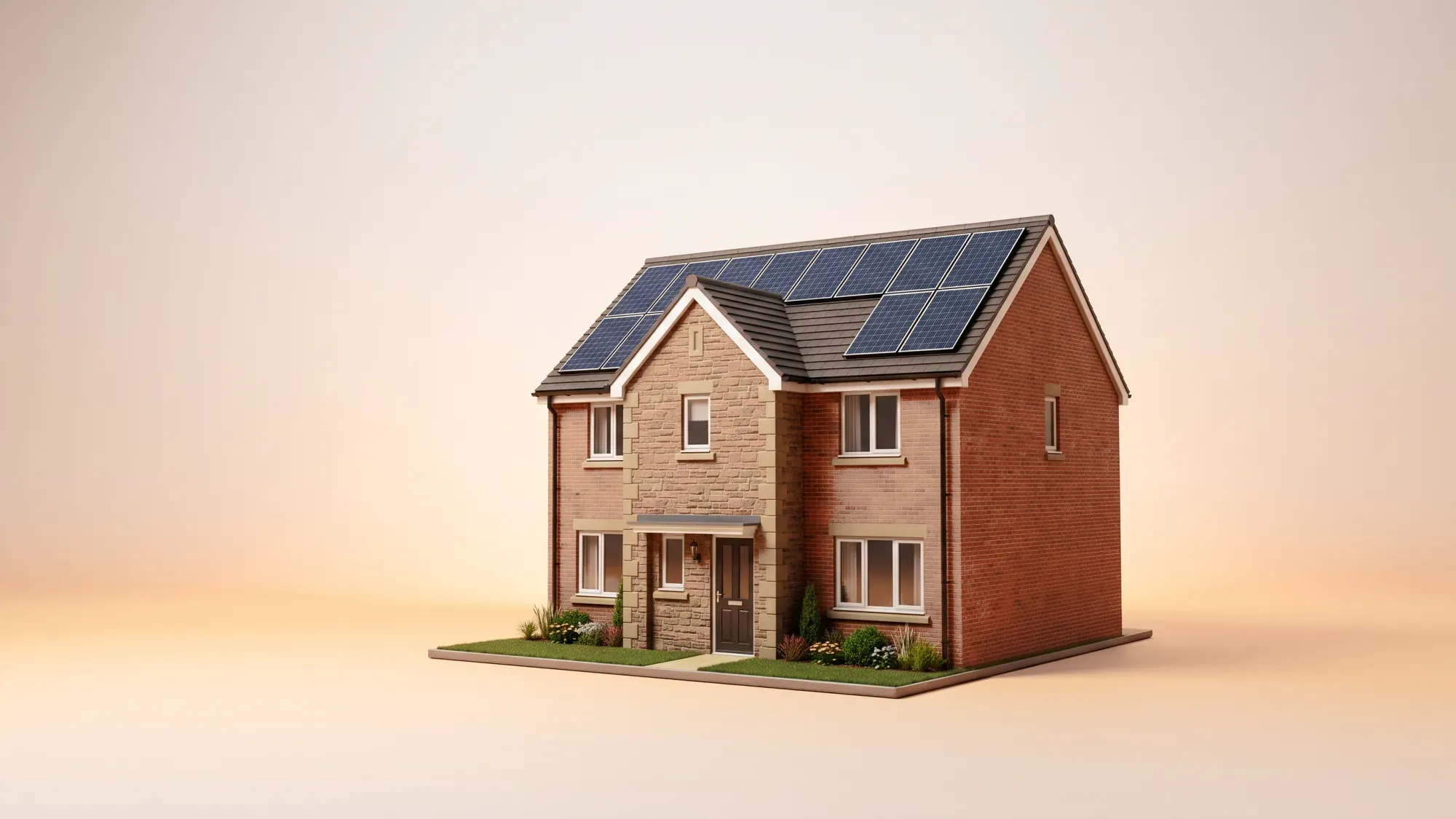
Bolton, a town with a rich industrial past, is now embracing a new form of power: solar energy. While its northern location might lead some to question the effectiveness of solar panels, modern photovoltaic (PV) technology thrives on diffuse daylight, making it an increasingly popular and viable option for homeowners across Bolton and the wider North West. Installing solar panels, especially when paired with battery storage, offers a path to greater energy independence and reduced electricity bills, aligning with a future where you have more "power to play with".
Why consider solar panels in Bolton?
Bolton's unique energy landscape
Bolton sits within the North West England electricity distribution region. This directly influences the energy price cap rates set by Ofgem, meaning electricity unit rates and standing charges in Bolton can differ from other parts of the UK. The designated Distribution Network Operator (DNO) for the Bolton area is Electricity North West, responsible for maintaining and upgrading the local electricity network in the region. Understanding this local context is crucial for Bolton residents considering solar.
Benefits for your home and wallet
Installing solar panels offers a dual advantage: environmental benefits and tangible financial savings. By generating your own electricity, you reduce reliance on grid power, which can lead to significant reductions in your monthly energy bills. Furthermore, a solar PV system can increase your property's value, making your home more attractive in the long term.
Achieving energy independence
The ability to generate and store your own electricity provides a genuine sense of energy independence. This means less susceptibility to fluctuating energy prices and greater control over your household's power consumption. For Bolton homeowners, this shift from passive consumption to active generation is a "power play" that puts control firmly in your hands.
Understanding solar performance in North West England
Solar PV and diffuse daylight
Despite the common misconception that solar panels only work effectively in consistently sunny climates, modern PV systems are highly efficient at converting diffuse daylight into electricity. This means that even on cloudy days, which are common in North West England, your solar panels will still generate power, contributing to your home's energy supply. In fact, cooler temperatures, typical of the UK, can actually enhance panel efficiency by preventing overheating.
The role of battery storage
For homes in Bolton, battery storage is not just an add-on; it is a crucial component for maximising the benefits of a solar PV system. Batteries allow you to store surplus electricity generated during daylight hours and use it when the sun is not shining, such as in the evenings or during periods of high demand. This significantly increases your self-consumption of generated solar energy, enhancing your energy independence and further reducing reliance on grid electricity, particularly valuable in regions with varying sunlight patterns.
Maximising your system's efficiency
To get the most out of your solar panels in Bolton, proper installation, tilt, and orientation are key. While south-facing roofs generally offer the best year-round performance, east and West-facing panels can also be effective. Minimising shading from trees or nearby structures is also important to ensure optimal output.
The solar panel installation process in Bolton
Initial assessment and design
The journey to solar begins with a thorough assessment of your Bolton home. A qualified installer will evaluate your roof's suitability, orientation, shading, and your household's energy consumption patterns to design a bespoke system that meets your needs. This includes determining the optimal number and placement of panels and recommending appropriate battery storage solutions. For more details on the process, read our guide to solar panel installation.
Planning permission and the 20% rule
For most residential properties in England, including Bolton, installing solar panels falls under "permitted development" rights, meaning full planning permission is often not required. However, certain conditions must be met:
- Panels must not protrude more than 200mm from the roof surface on pitched roofs.
- The equipment should be sited to minimise its effect on the building's external appearance and the amenity of the area.
- For properties in conservation areas, panels visible from a highway may require permission.
The "20% rule" sometimes mentioned online is not a strict national planning law limiting rooftop solar coverage to a specific percentage of the roof. There is no legal limit on the number of panels under permitted development; restrictions relate to how far panels protrude from the roof, not the quantity or percentage of roof area. Always check with your local planning authority if your property is listed or in a designated area.
Grid connection: Electricity North West and G98/G99
Any new grid connection for domestic solar and battery systems in Bolton must be notified to Electricity North West, your local DNO, under the G98/G99 process. This ensures your installation is safe and complies with regulations for grid-connected energy devices. Most domestic installations fall under G98, which is a simpler "notify after install" process for systems up to 3.68kW per phase. Larger systems or those above this threshold require G99 approval before installation. Reputable installers typically handle this entire DNO notification process on your behalf, so you do not have to navigate the paperwork yourself.
Costs, savings, and incentives for Bolton homeowners
Average installation costs
The cost of solar panel installation in Bolton can vary widely depending on system size, panel efficiency, battery storage capacity, and the complexity of your roof. While focusing solely on upfront costs can be tempting, it is important to consider the long-term savings, environmental benefits, and increased energy resilience that solar provides.
The 0% VAT incentive explained
A significant incentive for homeowners in Great Britain is the 0% VAT rate applied to the installation of solar panels and battery storage systems. This government measure, introduced in April 2022, is designed to encourage renewable energy adoption. This reduction can lead to substantial savings on the total installation cost, making solar more accessible.
When does the 0% VAT rate on solar panels end?
The 0% VAT rate on residential solar panel and battery storage installations in Great Britain is a temporary government measure. It is currently scheduled to run until 31 March 2027, after which the VAT rate is expected to revert to 5%. Acting before this date can secure significant savings on your installation.
Earning with the Smart Export Guarantee (SEG)
The Smart Export Guarantee (SEG) is a UK-wide scheme that requires larger energy suppliers to pay homeowners for surplus solar electricity exported to the grid. To qualify for SEG payments, your solar panel installation must be certified under the Microgeneration Certification Scheme (MCS) or an equivalent standard. This ensures your system meets strict technical, safety, and quality standards. You will also need a smart meter capable of recording half-hourly export readings. The rates paid for exported energy vary between suppliers, so it is worth comparing offers to maximise your earnings. Learn how to take an export meter reading guide.
Choosing a local solar installer in Bolton
The importance of MCS certification
When selecting a solar installer in Bolton, MCS certification is paramount. This certification ensures that your installer meets rigorous standards for product quality, installation practices, and customer service. Crucially, MCS certification is a mandatory requirement for your solar panel installation to qualify for the SEG. Choosing an uncertified installer can invalidate your eligibility for these government-backed schemes.
Questions to ask potential installers
To ensure you select a reliable and competent installer, consider asking:
- Are you MCS certified?
- Can you provide references from previous installations in Bolton?
- What warranties do you offer on panels, inverters, and workmanship?
- How do you handle the DNO notification process with Electricity North West?
- Do you offer integrated solar and battery solutions tailored for North West weather conditions?
Local service and support
Opting for a local Bolton-based installer can offer advantages such as quicker response times for maintenance or queries, and a better understanding of local planning considerations and weather patterns. Many local companies pride themselves on their regional expertise and customer service.
Your energy future with solar in Bolton
Beyond installation: monitoring and management
Once your solar PV and battery storage system is installed, the journey towards energy independence continues. Modern systems often come with monitoring apps that allow you to track your energy generation, consumption, and battery levels in real-time. This transparency empowers you to make informed decisions about your energy usage and maximise your savings. Solar panels work even on cloudy days, so monitoring helps you understand their performance year-round.
Long-term value and resilience
Investing in solar panels and battery storage is a long-term commitment that provides lasting value. Beyond the immediate financial savings, you gain increased energy resilience, reducing your vulnerability to power cuts and grid instability. As energy prices continue to fluctuate, having your own clean energy source offers peace of mind and a more sustainable future for your home in Bolton.
Disclaimer
For the avoidance of doubt, this article is provided for informational purposes only and is not intended to constitute legal or financial advice. The author and/or Fuse Energy shall not be responsible for any losses arising out of any reliance on the information contained herein.